
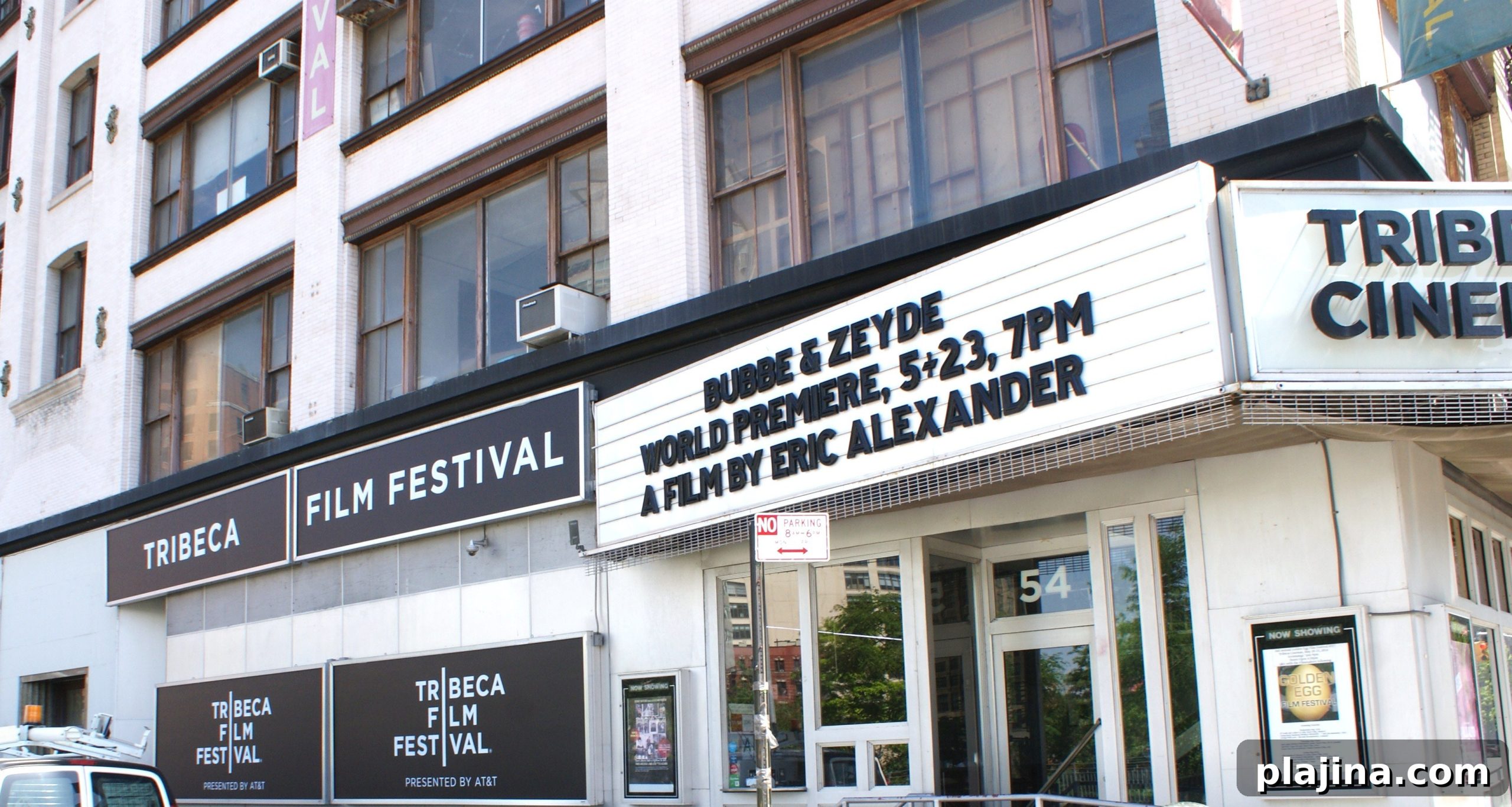
Robert De Niro’s acclaimed Tribeca Film Festival returns April 13 with a lineup of 58 films. The festival consistently draws attention for its diverse programming, celebrating both established filmmakers and emerging voices. This year’s selection spans documentaries, narrative features, shorts and experimental work, offering audiences a broad spectrum of storytelling and cinematic styles.
Among the most anticipated screenings are films that have generated buzz on the festival circuit and those featuring notable talent both in front of and behind the camera. Documentaries in the lineup spotlight compelling real-life stories, investigative subjects and intimate portraits that promise to provoke conversation. Narrative features range from intimate character studies to ambitious genre pieces, each selected for strong writing, directing and performances.
Short films and experimental projects remain a festival highlight, showcasing fresh perspectives and bold formal risks. These works often serve as a proving ground for new directors and cinematographers, and they provide a concentrated, energetic viewing experience. Festival-goers can expect a mix of polished shorts and adventurous films that push the boundaries of conventional storytelling.
In addition to screenings, the festival typically includes Q&A sessions, panel discussions and industry events that allow filmmakers and audiences to connect. These conversations deepen the viewing experience by revealing creative processes, production challenges and thematic intentions behind the films. For filmmakers, Tribeca’s platform can open distribution opportunities and critical exposure, while audiences gain access to premieres and curated programs.
Tribeca’s programming also emphasizes diversity and inclusion, with a commitment to showcasing stories from underrepresented communities. This focus enriches the festival lineup, bringing forward narratives that might otherwise receive less mainstream attention. Expect films that address social issues, cultural identity and personal journeys, presented through authentic voices and inventive filmmaking.
For attendees planning their festival schedule, it’s useful to prioritize screenings that align with personal interests—whether that’s documentary storytelling, genre cinema, or experimental work—and to allow time for post-screening discussions. Popular screenings may sell out quickly, so early ticketing and checking the official schedule are advisable. Many festivals also offer curated blocks or thematic strands that make it easier to explore related films in succession.
Overall, the return of the Tribeca Film Festival on April 13 promises a rich program of 58 films that reflect contemporary cinematic trends and emerging talent. From high-profile premieres to intimate short works, the festival is an opportunity to discover new voices and experience compelling storytelling on the big screen.