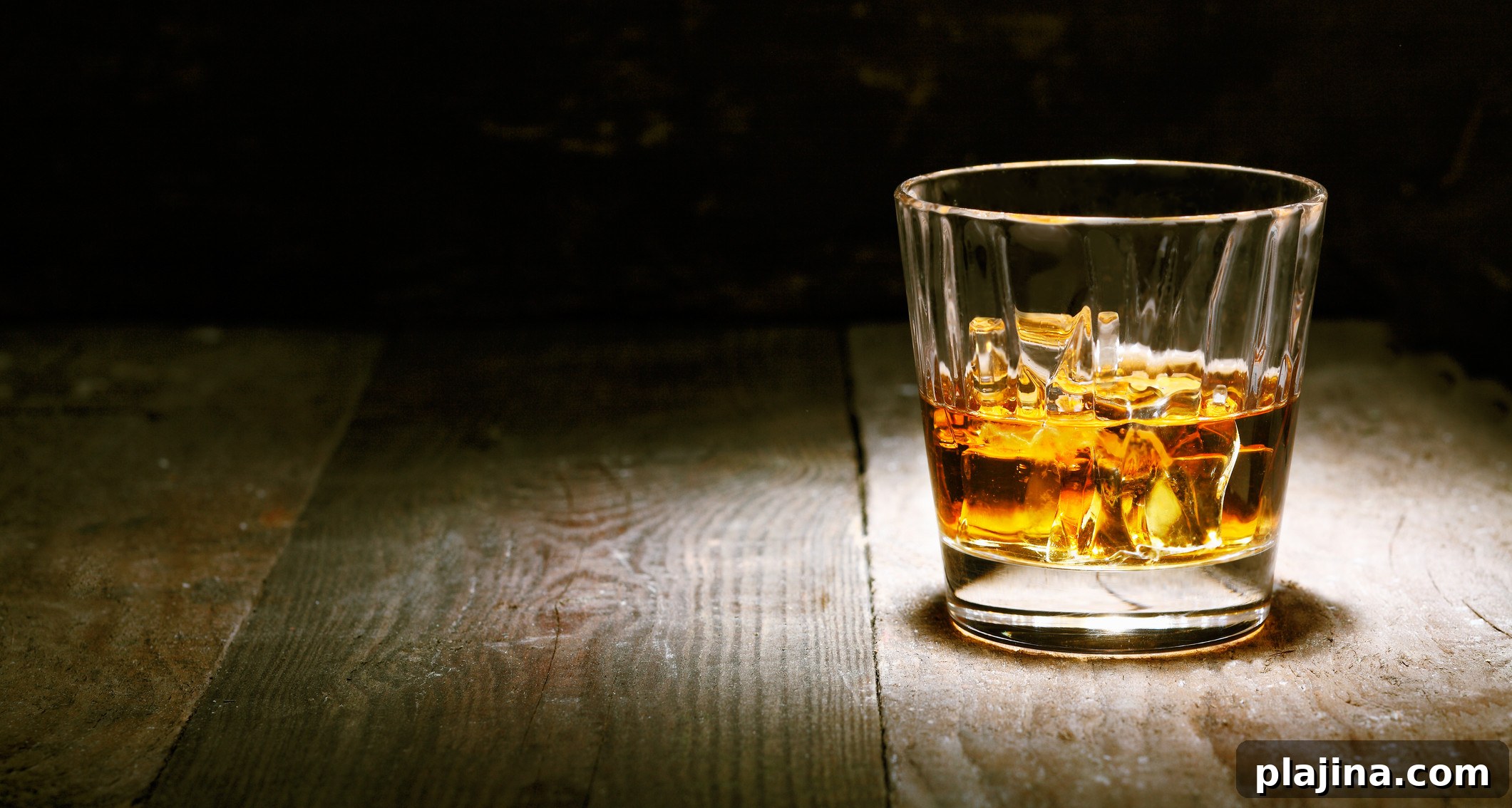
With the Kentucky Bourbon Festival on the horizon, visitors heading to Bardstown should refresh their knowledge about whiskey. The category covers a wide range of spirits, each with distinct production methods, flavor profiles, and regional traditions. Having a basic understanding will help you choose a pour with confidence whether you’re tasting neat, on the rocks, or in a cocktail.
At the broadest level, three styles tend to dominate conversations: bourbon, rye, and Scotch (or other whiskies from Scotland). Each style follows specific rules that shape its character. Bourbon, for example, must be made in the United States from a grain mash that is at least 51% corn and must be aged in new, charred oak barrels. That high corn content gives bourbon a sweeter, fuller body with vanilla, caramel, and baked-corn notes. Rye whiskey—traditionally made with a majority of rye grain—delivers a spicier, drier profile with peppery and herbal tones. Scotch, distilled and aged in Scotland, varies widely depending on region and method; single malts from Islay often offer smoky, peaty flavors while Speyside malts tend toward fruit, honey, and malted-cereal characteristics.
Beyond the base grain and origin, aging plays a crucial role. Barrel type, char level, and the length of maturation all influence the final spirit. New charred oak contributes strong vanilla, caramel, and toasted wood elements, while used barrels—common in many Scotch practices—can impart subtler, wine-like or sherry-like complexities if the casks were previously used to mature other products. Climatic conditions matter too: warmer storage conditions can accelerate interaction between spirit and wood, producing more rapid color and flavor development.
Proof and bottling choices also affect how a whiskey tastes. Lower-proof expressions are generally softer and may feel rounder on the palate, while higher-proof bottlings can deliver intensified flavors and greater heat. Some distillers release “cask strength” versions that are bottled at the proof they had straight from the barrel, which appeals to drinkers who want to experience the spirit undiluted or tailor the strength themselves with water.
Tasting technique will improve what you notice in each pour. Start by looking at color to get clues about barrel influence and age. Swirl gently to observe legs, which can hint at viscosity. Bring the glass to your nose and inhale lightly at first, then more deeply to uncover layers—sweet, fruity, malted, smoky, or spicy notes. Take a small sip and let it coat your mouth; note initial impressions, midpalate development, and the finish. Adding a few drops of water can open up aromas and soften alcohol so more subtle flavors emerge.
When deciding what to order, consider the context. For a relaxed tasting session where you want to focus on nuance, a single malt Scotch or a well-aged bourbon might be ideal neat. For cocktails, a rye’s spice can cut through mixers and add complexity, while a rich bourbon lends roundness and sweetness. If you’re visiting distilleries during the Kentucky festival or sampling at bars, don’t hesitate to ask bartenders or staff for recommendations based on your flavor preferences—most are happy to guide you toward an expression you’ll enjoy.
If you’re new to whiskey, sampling flights are a practical way to compare styles side by side. Begin with lighter, milder expressions and progress to bolder, peatier, or higher-proof options. Take notes on what you like and dislike; over time you’ll develop a sense for which regions, mash bills, and aging philosophies align with your palate.
Finally, remember that personal taste matters more than rules. While technical definitions help classify spirits and explain why they taste the way they do, the best choice is the one you enjoy. Whether you prefer the sweetness and oak-driven warmth of bourbon, the assertive spice of rye, or the diverse spectrum of Scotch, exploring with curiosity will make your Kentucky Bourbon Festival experience more rewarding.