
Pack your bags: business travel is rebounding, and the role of the corporate travel manager is more critical than ever.
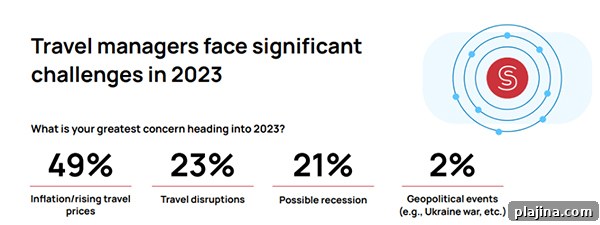
For decades, business travel has driven growth, fostered relationships, and supported professional development across companies and economies. The COVID-19 pandemic disrupted that flow, placing corporate travel managers at the center of a complex recovery. They must now balance cost control, traveler safety and satisfaction, and evolving company priorities while steering travel programs through unfamiliar terrain.
A recent report from the Global Business Travel Association (GBTA) and travel technology provider Spotnana examines how corporate travel managers are responding to this new environment. It highlights the competing demands these professionals juggle — from cost containment and risk management to delivering a strong traveler experience and leveraging data to drive decisions.
© GBTA
The report finds U.S. corporate travel buyers expect most travel categories to return to pre-pandemic levels by the end of 2023. Domestic business travel (74 percent), external meetings (77 percent) and conference or group travel (76 percent) lead the rebound. Most companies surveyed (64 percent) say they are unlikely to restrict business travel significantly.
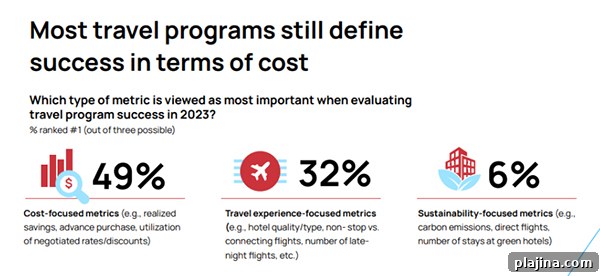
Cost savings remain a top priority for both travel managers (54 percent) and senior leadership (65 percent). However, travel managers place greater emphasis on the traveler experience (51 percent) compared with executives (42 percent), creating a tension when seeking approval for investments that improve the traveler journey. The study underscores the growing importance of measuring and improving traveler experience as preferences shift and expectations rise.
© GBTA
Travel managers report spending more time on several responsibilities now than before the pandemic. The most common increases are in traveler communications and answering questions (72 percent) and in managing relationships with travel management companies (59 percent). They also devote more effort to data analysis (52 percent) and risk management or traveler tracking (42 percent). Few travel managers say they spend less time on core program components, reflecting the rising complexity of managed travel programs.
Looking ahead, travel managers point to enhancing the end-user traveler experience, improving how they handle travel changes and cancellations, and embracing innovation as priority areas for continued development. These focus areas aim to make travel safer, more efficient and more supportive of business objectives while keeping travelers engaged and productive.
For additional findings and detailed results from the GBTA and Spotnana report, visit the GBTA website to review the full study.