What began as a simple hunger for bolder flavor, greater variety and higher quality evolved into a full-blown renaissance by the mid-1970s. A small wave of homebrewers and pioneering microbreweries sparked a movement that, over decades, transformed into the inventive and respected American craft beer scene we know today.
How do you define craft beer? Answers are personal: some call it “a brief moment of pleasure,” others “a drink to savor,” and many simply label it “the best beer around.” The Brewers Association offers a concise definition of an American microbrewery: small—producing under 15,000 barrels a year—independent, and using traditional or experimental brewing ingredients. Those characteristics help explain the distinctive flavors, creativity and individuality found in craft beers.
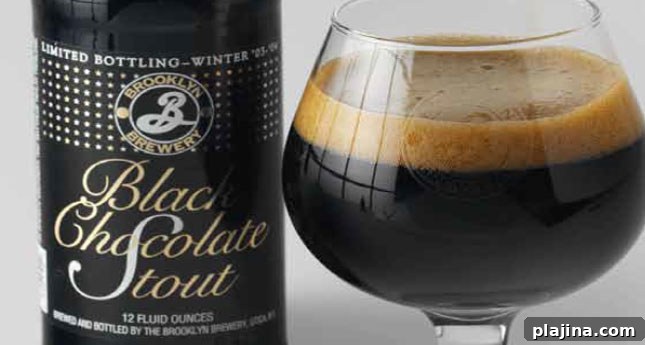
Styles range across the full spectrum. You’ll find delicate Pilsners alongside seasonal Oktoberfests and warming Winter Ales, hop-forward India Pale Ales, rich stouts and creamy porters. Examples from well-known breweries illustrate the range: Brooklyn Brewery’s Pilsner and seasonal offerings; Samuel Adams’ Boston Lager and Cream Stout; and Oskar Blues’ Dale’s Pale Ale. Other notable examples include robust porters, steam beers, bold IPAs, assertive amber lagers, experimental brewed ales, imperial stouts, fruit-infused wheat beers and many more—each contributing unique aromas, textures and tastes.
Brewing and beer have deep roots in North America. Long before European settlers arrived, some Native communities brewed corn-based beers. The first documented brewery in what became the United States opened in early 1600s New Amsterdam (now Manhattan). By 1873, the country supported thousands of breweries—4,131 at that time—reflecting a lively and diverse brewing tradition. Over the following decades the industry consolidated: by the mid-20th century, a few enormous breweries produced the majority of U.S. beer, largely in one pale, mild lager style, while imported beers had not yet gained wide influence.
The craft beer revolution began from very small beginnings—when the nation had only eight craft brewers. Today that number has grown dramatically: nearly 2,800 craft brewers, including brewpubs that combine restaurants and breweries, now operate across the country. These producers account for roughly 7.8 percent of U.S. beer production, and one often-cited statistic notes that the average American now lives within ten miles of a brewery.
For anyone who appreciates good beer—well-balanced or wildly experimental, traditionally brewed or boldly new—this is arguably the best moment in American history to be a beer lover. The diversity, craftsmanship and regional character of today’s breweries offer countless opportunities to explore flavors, meet local makers and enjoy beers created with care and imagination.