
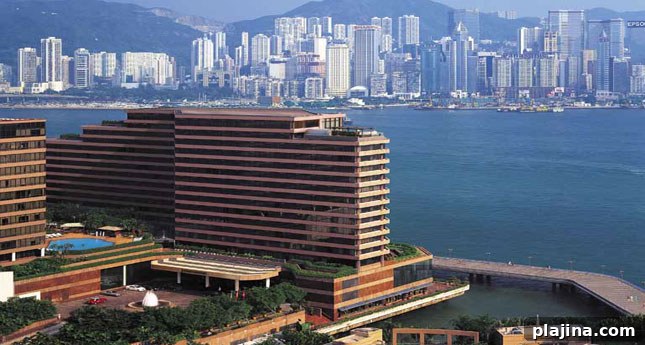
Hong Kong was established as a center for commerce and has developed into a dynamic global business hub. With one of the world’s most open economies, and with trade, tourism and financial services as its primary industries, Hong Kong ranks among the top trading economies worldwide. It operates one of the busiest international cargo airports and maintains a major stock market. Millions of visitors come each year—many from mainland China—to attend conventions and conduct business.
Although archaeological evidence indicates human presence here for thousands of years, Hong Kong’s modern era began in 1841 when the British established a major commercial and military presence. Colonial rule ended in 1997 when Hong Kong became a Special Administrative Region of the People’s Republic of China, but many British institutions remain: English is an official language, the legal system is rooted in common law, the Hong Kong dollar is pegged to the U.S. dollar, and traditions such as horse racing, rugby, afternoon tea and left-side driving persist.
Despite its colonial legacies, Hong Kong is fundamentally Chinese in culture and character. About 95 percent of the population is ethnically Chinese, and daily life blends Cantonese traditions with global influences. In Central, the financial district, and in lively Kowloon you will encounter Cantonese roast duck, bustling markets, foot reflexology adverts, and incense-filled temples—alongside gleaming skyscrapers, upscale restaurants, international boutiques and luxury hotels. The result is a city that feels both familiar and exotic: a fast-paced Chinese metropolis with a broad range of modern comforts.
Arrival and transit are efficient. Hong Kong International Airport connects to the city via the Airport Express, which brings passengers to Central and Kowloon in under 25 minutes. From there free hotel buses and in-terminal check-in desks make onward travel simple. For convenience during your stay, buy an Octopus card, which works on the Airport Express, the MTR subway and trains, the Star Ferry and the trams that climb to Victoria Peak.
Because the city is compact and the MTR is fast and user-friendly, choosing a hotel location is less critical than in larger sprawled cities. Taxis are plentiful and affordable, though traffic can slow journeys during peak hours. Hong Kong’s hotel market is extensive, with hundreds of properties and tens of thousands of rooms, and occupancy rates are typically high. Many visitors prioritize rooms with views of Victoria Harbour—book early for the best panoramas.
Kowloon hosts a large concentration of top hotels. Notable properties include waterfront hotels with harbour-facing rooms, ultra-tall luxury hotels and long-established icons updated with modern amenities. In Central you’ll find prestigious addresses with renowned service, scenic pools and intimate boutique options above premier shopping centers.
Business travelers often opt for club floors and executive lounges that provide useful perks: dedicated concierge assistance for reservations and logistics, complimentary pressing of one business suit, access to club lounges and meeting rooms, and inclusive buffets that cover breakfast, afternoon tea and early evening hors d’oeuvres.
Hotels also serve as reliable venues for business breakfasts and client meetings. Many hotel restaurants are known for generous seating, refined buffets and dramatic views of the city. Private luncheon spaces are readily available across hotels, offering meeting rooms of varying sizes, often with harbour views—convenient for gatherings that mix business and hospitality.
High-end hotel restaurants include celebrated fine-dining options for both international and Cantonese cuisine. For Cantonese specialties, a number of hotel-based restaurants have earned acclaim for their quality and consistency. Independent restaurants throughout the city complement the hotel dining scene, offering an expansive selection that ranges from casual neighborhood eateries to Michelin-level establishments.
Hong Kong’s broader dining landscape now exceeds 11,000 restaurants, representing cuisines from around the world at every price point. In Central, areas such as SoHo near the Mid-Levels escalator and the nightlife district of Lan Kwai Fong are popular for dining and evening entertainment. Standout venues feature modern European, Japanese, Peruvian and experimental Cantonese cuisines, along with innovative restaurants in emerging neighborhoods.
The city also excels at creative cocktails and rooftop bars, where expat professionals and locals mingle. You can find bars known for inventive mixology, stylish rooftop venues with skyline views, tapas and sangria spots, and some of the highest-elevation bars in the world—perfect for client meetings that cap a productive day or for entertaining guests after work.
Hong Kong’s focus on business is matched by a lively hospitality and leisure scene. Whether you are here for meetings, conferences or to explore, the city offers efficient transport, diverse dining, reliable hotels and plenty of venues suited to professional and social occasions.
Read more about shopping in Hong Kong.