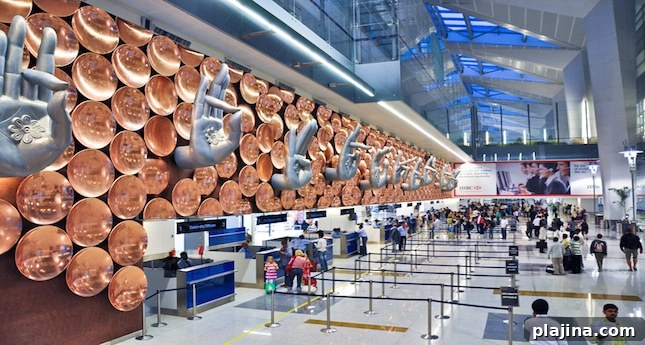
The Indian government last month removed long-standing air travel restrictions that limited how many people could travel to and from the country, a change that could boost business and leisure travel across the subcontinent. Under the National Civil Aviation Policy 2016, the government has relaxed rules that previously restricted Indian carriers from expanding international services. These new guidelines also offer incentives to airlines that serve smaller towns and regional airports, many of which currently lack reliable air connections.
One major reform reduces the barriers for new airlines entering the market. In the past, carriers were required to operate at least 20 aircraft domestically for more than five years before launching international services. That requirement has been significantly eased, leveling the playing field and encouraging competition in the aviation sector.
The policy also aims to make flying more affordable for Indian travelers. It includes price caps designed to limit fares on shorter flights, such as a cap for hour-long sectors and a lower cap for half-hour journeys, helping to keep regional air travel within reach for more people.
These measures are part of a broader effort to expand India’s aviation market. With a population of more than a billion people and rapidly growing demand for air travel, the sector has substantial upside. Currently, over 80 million passengers fly domestically each year in India, and the market has been growing at roughly 20 percent year over year.
The combination of relaxed international restrictions, incentives for regional connectivity, and measures to control short-haul fares is intended to stimulate network expansion, support new entrants, and improve access to air travel across the country. As airlines respond by adding routes and improving frequency, travelers in smaller cities should gradually gain better service and more competitive pricing.