
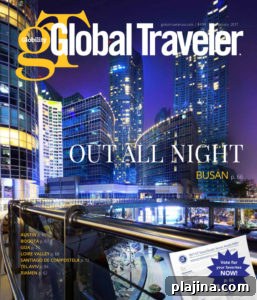
BUSAN, SOUTH KOREA © SEAN PAVONE | DREAMSTIME.COM
Busan, South Korea’s second city, is a lively coastal metropolis that blends modern urban life with coastal charm. Known for its bustling ports, scenic beaches, and vibrant markets, Busan offers visitors a diverse range of experiences—from cultural attractions and seafood restaurants to seaside walks and contemporary art spaces. Unlike Seoul’s fast-paced skyscraper skyline, Busan gives a more relaxed, maritime atmosphere while still boasting dynamic neighborhoods and plenty of city energy.
Beaches and Coastal Attractions
One of Busan’s biggest draws is its coastline. Haeundae Beach is the city’s most famous stretch of sand, popular with locals and tourists for sunbathing, swimming, and festivals. Nearby Gwangalli Beach provides stunning views of the Gwangan Bridge, especially at night when the bridge lights up in color. For a quieter shore experience, Songdo Beach and Dadaepo Beach offer peaceful walks and wide sandy expanses. Coastal trails and clifftop promenades, such as the scenic routes around Taejongdae, deliver dramatic ocean views and peaceful escapes from the urban center.
Markets and Local Food
Busan’s markets are lively, fragrant hubs where you can sample fresh seafood and local specialties. Jagalchi Market is one of Korea’s largest seafood markets, full of vendors selling fish, shellfish, and prepared dishes. Nearby Gukje Market and BIFF Square are ideal for street food, shopping, and experiencing everyday local life. The city is also known for unique dishes like milmyeon (wheat noodles) and dwaeji gukbap (pork soup with rice), which visitors should try at small family-run eateries and stalls.
Cultural Sites and Museums
Culture thrives in Busan, from traditional temples to modern museums. Beomeosa Temple, perched on the slopes of Geumjeongsan Mountain, offers serene temple grounds and a glimpse into Korea’s Buddhist heritage. The Busan Museum and Busan Modern History Hall present local history and stories of the port city’s development. For contemporary art lovers, the Busan Museum of Art and galleries in the cultural district showcase regional and international works.
Neighborhoods and Nightlife
Each neighborhood in Busan has its own character. Nampo-dong, near Jagalchi and BIFF Square, is a bustling pedestrian area with shops and eateries. Seomyeon is the city’s commercial heart—packed with shopping malls, nightlife, and cafés—popular with young locals. The Haeundae district features high-rise hotels, upscale restaurants, and a busy nightlife scene around its beachfront. For a more relaxed evening, head to the quaint alleys of Gamcheon Culture Village, where colorful houses, murals, and small galleries create a charming atmosphere after sunset.
Transportation and Getting Around
Busan is well connected by an efficient public transportation system. The subway network links major neighborhoods and attractions, while buses reach areas not serviced by rail. The city is also easy to navigate on foot in many districts, especially near the waterfronts and market zones. For travelers arriving from overseas, Busan’s Gimhae International Airport and the high-speed KTX rail connection to Seoul make the city accessible for short or extended stays.
When to Visit
Busan is pleasant year-round, but the best times to visit are late spring through early autumn. Summer brings beach festivals and warm sea temperatures, ideal for swimming and coastal activities. Autumn brings comfortable weather and clear skies, great for hiking and sightseeing. Winters are milder than northern Korea, though cooler months suit travelers who prefer fewer crowds and lower prices.
With its mix of seaside relaxation, vibrant markets, cultural depth, and modern amenities, Busan offers travelers a balanced travel experience that highlights both traditional Korean charm and contemporary urban life. Whether you seek seafood markets, beach days, or cultural exploration, Busan has something to offer every visitor.