
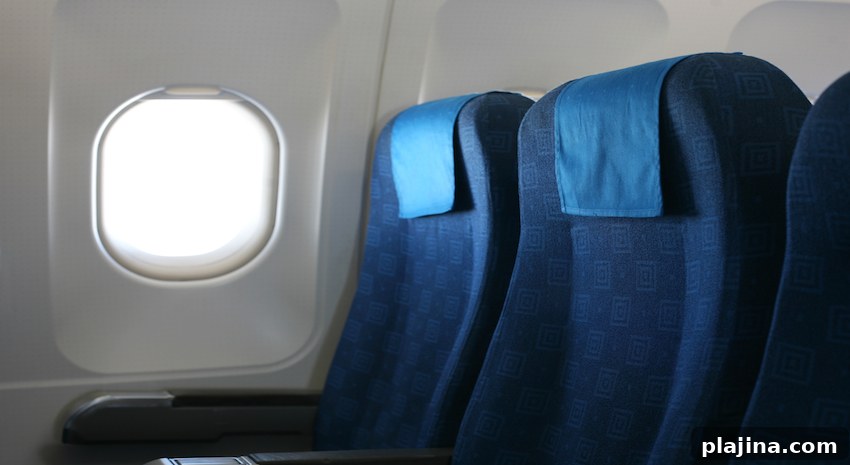
A new U.S. transportation bill will provide stronger protections for passengers who are bumped from flights because of overbooking.
The 21st Century Aviation Innovation, Reform and Reauthorization Act directs the U.S. Federal Aviation Administration to create clear compensation policies for bumped passengers and forbids airlines from removing travelers who already have an assigned seat on the aircraft.
“This bill is about giving all Americans the safe and efficient, 21st century aviation system they deserve while keeping America the leader in aviation,” said Bill Shuster, chairman of the House Transportation and Infrastructure Committee. “We have the busiest aviation system in the world, and though it’s safe, it’s also inefficient, costly and unable to keep up with growing demand or developing technology.”
Among other consumer-focused provisions, the bill requires airlines to publish online resources for passengers stranded by computer outages, including information about hotel availability and meal vouchers. It streamlines online complaint filing for travelers, mandates that commercial airports provide nursing rooms for mothers, and prohibits voice telephone calls during flights.
The legislation also initiates a shift in how U.S. air-traffic control is managed and funded. Under the proposed changes, the air-traffic control system would move toward privatization and adopt a user-fee funding model rather than relying on tax-based funding. Supporters argue this could modernize operations and improve efficiency, while critics warn it may give airlines more influence over the system’s priorities.
Overall, the bill combines consumer protections with broader structural changes aimed at updating the nation’s aviation infrastructure and governance. If enacted, the new rules on passenger compensation and airport services would take effect alongside the proposed restructuring of air-traffic control funding and management, shaping how airlines, airports and regulators serve travelers in the coming years.