-
 © Nonthawan Pisessith | Dreamstime.com
Philadelphia played a central role in the founding of the United States and preserves some of the nation’s oldest buildings. From cultural centers and religious institutions to meetinghouses and historic streets, the city offers an array of well-preserved landmarks that tell the story of early America. -
© King Ho Yim | Dreamstime.com
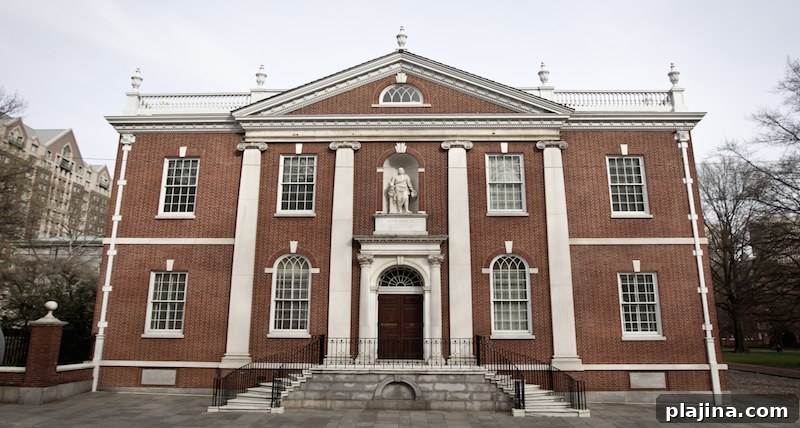
Philosophical Hall, near Independence Hall, was built in 1785 for the American Philosophical Society. Over time it hosted University of Pennsylvania classes, Charles Willson Peale’s museum and government meetings. The building’s historical significance earned it National Historic Landmark status in 1965. -
© Tupungato | Dreamstime.com
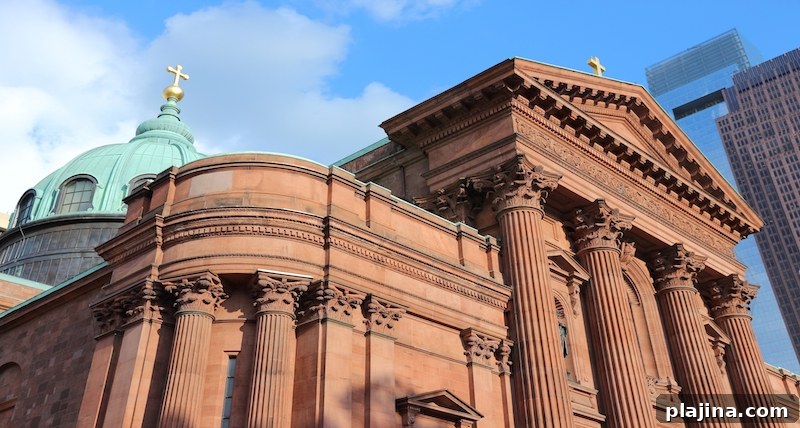
The Cathedral of Saints Peter and Paul opened in 1864 during a period of religious tension. Its original high windows helped protect the interior from vandalism during riots; lower stained-glass windows were added in 1955. Today it stands as the diocese’s principal church, the city’s largest brownstone and the largest Catholic church in Pennsylvania. -
© Americanspirit | Dreamstime.com
-
© Glenn Nagel | Dreamstime.com
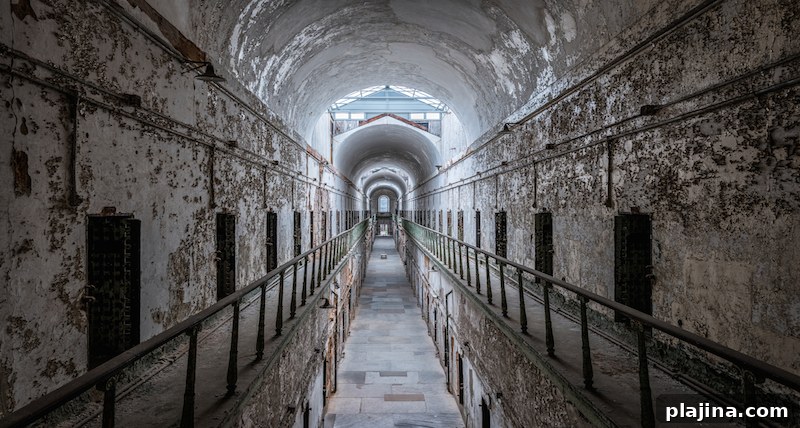
Eastern State Penitentiary, opened in 1829, was an early experiment in prison reform, emphasizing rehabilitation over simple punishment. Its neo-Gothic architecture, inspired by earlier institutions in England and Ireland, was designed to deter crime. The prison later housed notorious inmates like Al Capone and remains notable for its history and architecture. -
© Alexandre Fagundes De Fagundes | Dreamstime.com
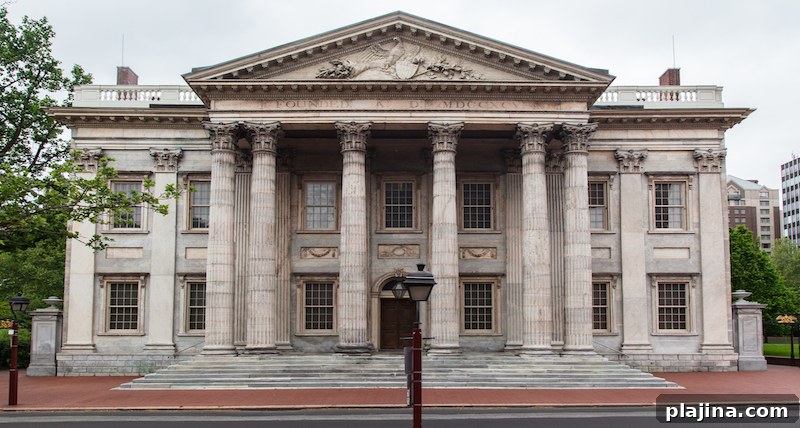
The First Bank of the United States, built in 1795 when Philadelphia served as the nation’s capital, is part of Independence National Historical Park. Championed by Alexander Hamilton, it exemplifies early Classical Revival architecture and reflects efforts to stabilize the young nation’s finances after the Revolutionary War. -
© Ehaurylik | Dreamstime.com
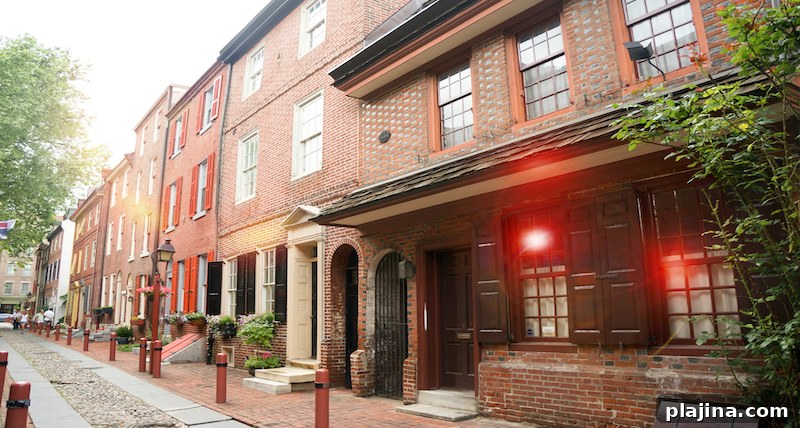
Elfreth’s Alley, dating to 1702, is often called the nation’s oldest continuously inhabited residential street. Its 32 Georgian and Federal-style houses, built between 1728 and 1836, line a cobblestone lane with historic lamps. Once a bustling center for shipping and trade, the alley today preserves an authentic example of 18th-century working-class housing. -
© Gayle Bradley | Dreamstime.com
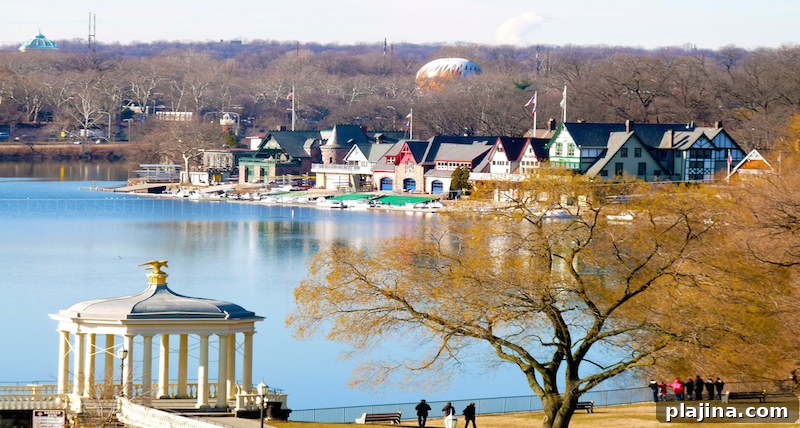
Boathouse Row, on the Schuylkill River near the Art Museum, consists of 15 historic boathouses dating to the 1860s. Each building houses its own rowing club and history. The boathouses host major regattas, and the addition of lights in 1979 created the iconic, illuminated view that remains a Philadelphia landmark.