
ARE VACATION RENTALS LIKE AIRBNB the wave of the future? Hotels are certainly sounding the alarm. Since its founding, the short-term lodging platform has grown rapidly, and its popularity poses a real challenge to traditional hotel business models.
Airbnb enables hosts to rent all or part of their homes while travelers book through the website or mobile app. Search results can be filtered by lodging type, dates, location and price, and the company charges both guests and hosts a small service fee.
Today Airbnb maintains corporate offices in multiple cities worldwide and lists millions of properties across tens of thousands of cities and nearly 200 countries. Hundreds of millions of overnight stays have been booked through the platform. Its expansion has been driven by factors that many travelers find more appealing than conventional hotels.
The volume and variety of listings create greater flexibility and a broader price range to suit budget and luxury travelers alike. Many guests prefer unique, locally rooted properties over chain hotels, appreciating the opportunity to interact with hosts, experience neighborhoods more authentically and avoid crowded hotel lobbies. Because Airbnb often offers lower rates than hotels, its arrival forced traditional hotels to reevaluate pricing and value propositions to remain competitive.
Still, the competition is not one-sided. Hotels continue to attract many travelers, and cities around the world are implementing regulations that restrict short-term rentals, slowing their growth in some markets.
Airbnb was launched in 2007 by roommates Brian Chesky and Joe Gebbia, who initially rented an air mattress in their living room to cover rent. Nathan Blecharczyk later joined as cofounder, and the venture was originally called AirBed & Breakfast. The first website went live in 2008, and by 2009 the brand was shortened to Airbnb. Over time the offering expanded from air mattresses to entire apartments, private rooms, boats, tree houses, tents and a wide range of unique properties.
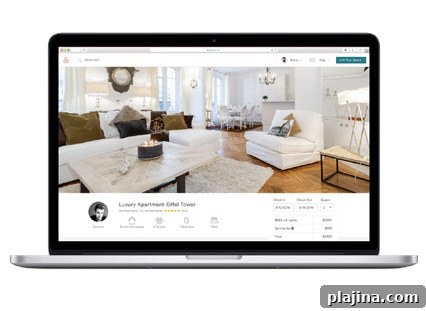
Business Travel Product © AIRBNB
As the company scaled, it secured funding from numerous investors and broadened its services and brand. Airbnb reached profitability in 2016, with strong year-over-year revenue growth. The company later introduced luxury listings under the Beyond by Airbnb label and explored additional travel services, signaling continued ambition and diversification.
Yet Airbnb has encountered regulatory and public-relations challenges. In 2016 New York enacted fines related to local housing laws, and many jurisdictions have required the company to collect transient occupancy taxes and comply with other local regulations. Airbnb now publishes city-specific rules in some markets, though these guides do not cover every international locale.
Criticism has also targeted Airbnb’s pricing presentation. The platform historically displayed a nightly rate without including fees such as cleaning and service charges until later in the booking process. Consumer protection authorities in countries like Australia pushed for clearer pricing, and Airbnb’s Australian site now shows total prices earlier in the search process.
Concerns about housing affordability persist in many cities. Research indicates short-term rentals can reduce the supply of long-term housing, as property owners convert units to more lucrative short-term listings, contributing to rising rents in already tight markets such as San Francisco and Seattle.
One 2017 study found that a 10 percent increase in Airbnb listings in a neighborhood correlated with a modest uptick in rents and housing prices. In response, several cities have imposed limits or bans on short-term rentals, and many homeowners associations and landlords have restricted or prohibited their properties from being used as short-term rentals.
The hotel industry argues it is losing guests to cheaper short-term rentals and has lobbied for stricter regulation of home-sharing platforms. Hotel trade groups, representing major chains, have pointed to differences in safety standards, tax collection and other regulatory requirements as reasons to level the playing field.
Hotels have countered by adapting their services and design. Many properties have modernized rooms to feel more residential, forged partnerships with local businesses, added communal spaces and adopted technologies such as keyless entry and app-driven guest services to appeal to travelers seeking unique, convenient experiences.

Business traveler © AIRBNB
There may be reason for hoteliers to remain optimistic, especially regarding younger travelers. A 2018 Resonance Consultancy report on millennials’ travel preferences found that, among U.S. travelers aged 20–36, hotels remained the top choice for overnight stays. While many in this group have used home-sharing platforms, fewer considered them their preferred lodging option. Full-service hotels ranked highest, followed by staying with friends or family and then resorts. In that survey, more respondents preferred camping than short-term rentals.
The report suggested that short-term rentals can lack certain amenities young travelers value, such as reliable free WiFi, on-site services, privacy and communal spaces that encourage social interaction. Hotels can offer discovery and connection—through rooftop events, shared workspaces with complimentary coffee and reliable communal experiences—that individual vacation rentals typically do not. Those strengths may help sustain the hotel sector even as home-sharing continues to reshape parts of the travel industry.