
Removing electronics and liquids from your carry-on may soon no longer be the only items you need to take out at the security checkpoint, according to the Transportation Security Administration.
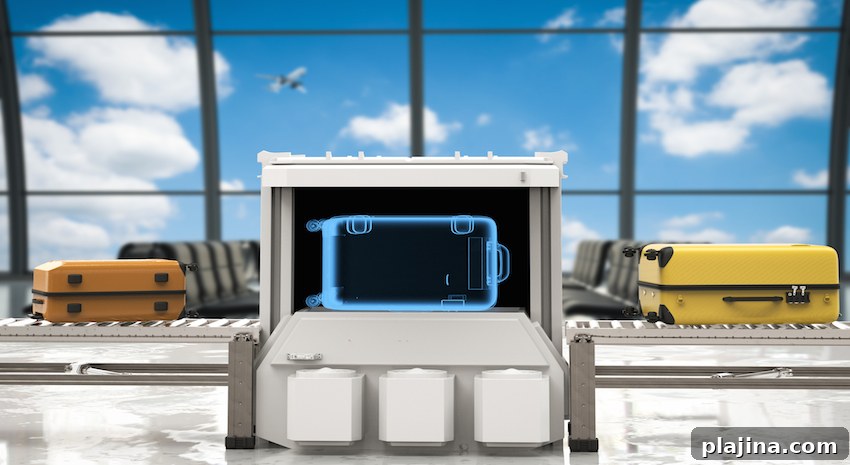
With many airlines charging high fees for checked baggage, more travelers are choosing to bring everything on board. That trend has led to crowded security lines filled with overstuffed rolling suitcases and bulging backpacks. When carry-ons are packed to the brim, X-ray images become cluttered, making it harder for TSA screeners to spot potential threats. The result is an increase in manual bag checks, longer wait times and greater frustration for passengers.
The TSA is testing a new requirement to have passengers remove food items from their carry-on bags before screening. Trials are currently underway at three airports: Los Angeles International Airport, Boston Logan International Airport and Fort Lauderdale–Hollywood International Airport. If the pilot proves effective at improving image clarity and throughput, and after TSA staff receive the necessary training, the program could be expanded to additional airports nationwide.
The goal of the initiative is to speed up screening and reduce secondary inspections by producing clearer X-ray images. Loose or packed food can resemble other objects on a scan or obscure items, so separating food into a bin or an easily viewable spot can help screeners make accurate assessments more quickly. Passengers concerned about perishable or fragile items should pack them in clear, separate containers or bags to maintain visibility while protecting the contents.
For travelers, adopting a few simple habits can smooth the security experience: keep electronics and liquids accessible, place food items in transparent packaging, and avoid overpacking a single carry-on. Allowing a little extra time at the airport during the adjustment period will also help mitigate delays as both passengers and screeners adapt to the new procedure.
As the TSA evaluates the trial, airports and airlines will communicate any changes to screening instructions. Passengers should follow posted guidance at checkpoints and be prepared for potential updates to carry-on screening requirements as the agency works to balance security, efficiency and passenger convenience.