
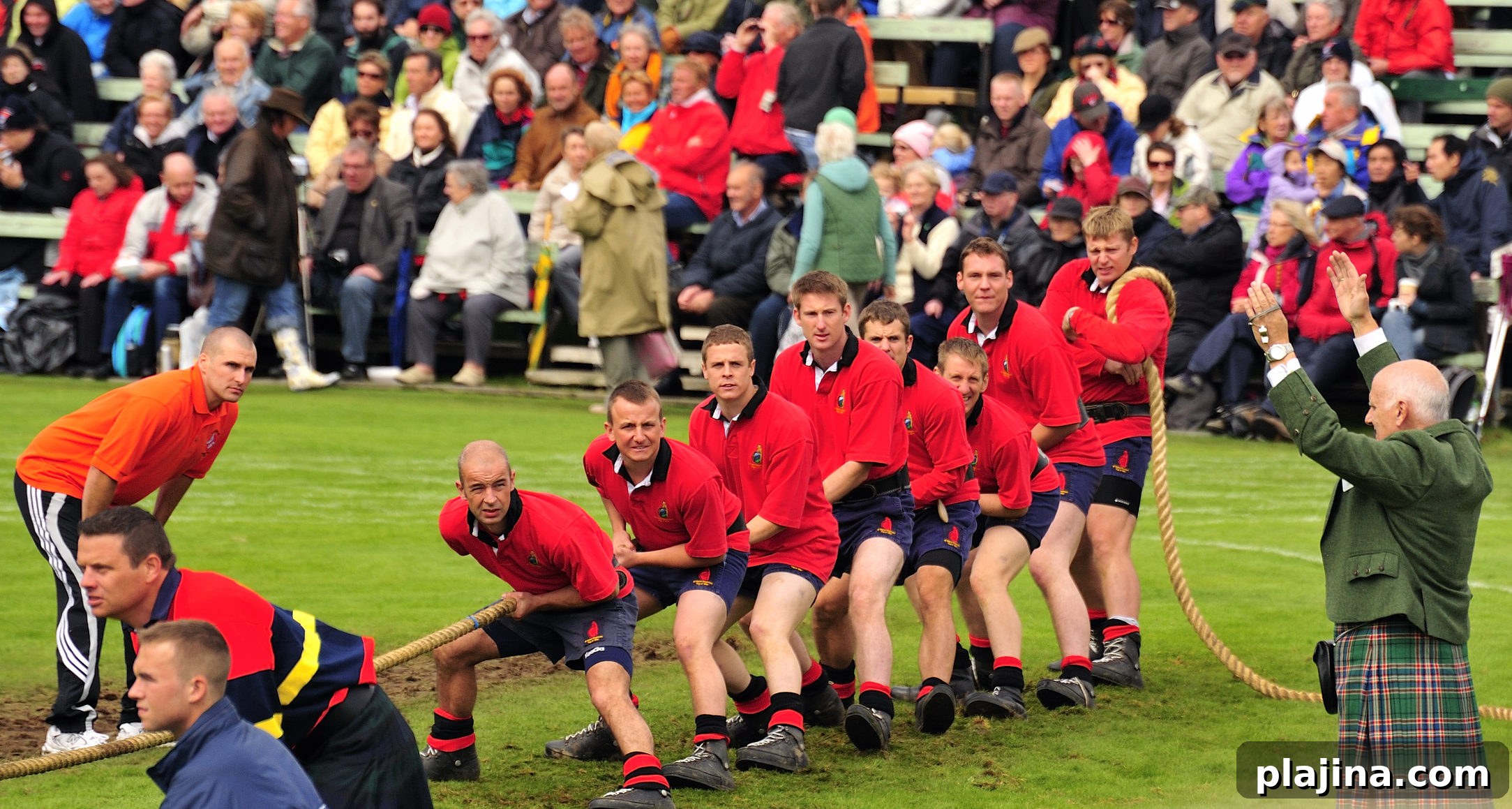
The Scottish Highland Games are a deeply rooted cultural tradition held across many towns and cities throughout Scotland. These events blend sport, music and community celebration, showcasing iconic Scottish heritage such as caber tossing, hammer throw, and tartan-clad pipe bands. While local games occur year-round in communities of all sizes, the most renowned gathering takes place in Braemar—an event that often attracts members of the British Royal Family and draws spectators from around the world.
At their core, the Highland Games celebrate strength, skill, and local pride. Athletes compete in a variety of heavy events that test balance, coordination and power. The caber toss, perhaps the best-known contest, challenges competitors to flip a large tapered log end over end. Other featured events include the stone put, weight for height, weight for distance, and hammer throw. These competitions have ancient roots but remain popular today, combining tradition with modern sporting spirit.
Music and pageantry are central to the atmosphere. Pipe bands provide stirring accompaniment, playing traditional marches and reels that link the present with Scotland’s musical past. Competitions and exhibitions of Highland dancing add color and grace, with dancers performing precise, athletic steps in traditional attire. Clan tents and stalls often line the event grounds, offering food, crafts, and opportunities to learn about family histories and regional traditions.
Besides the athletic displays and musical performances, the Highland Games serve as important cultural gatherings. They foster community bonds, celebrate local craftsmanship, and support preservation of Gaelic language and customs. Events frequently include demonstrations of Scottish arts—such as weaving, woodworking, or storytelling—and educational programs that introduce visitors to the history behind the rituals and regalia.
Visitors to major games can expect a full day of entertainment and discovery. Family-friendly activities, children’s competitions, and beginner demonstrations help newcomers engage with the traditions. Food vendors typically offer regional specialties, including dishes that reflect Scotland’s culinary heritage. Many events also feature awards ceremonies and social dances in the evening, extending the festivities beyond daytime competitions.
While Braemar’s games are among the most prestigious and widely attended, similar events in towns across Scotland provide equally authentic experiences, often with a more intimate, local flavor. Whether you attend a large national gathering or a smaller community game, the Highland Games offer a vivid window into Scotland’s living heritage—combining athleticism, music, and a strong sense of place.
If you’re planning to visit, check local event schedules for dates and ticketing information, and arrive prepared for typical Scottish weather with layered clothing. Respectful curiosity and a willingness to join in the celebrations will enhance your experience and help you appreciate the enduring appeal of the Highland Games.