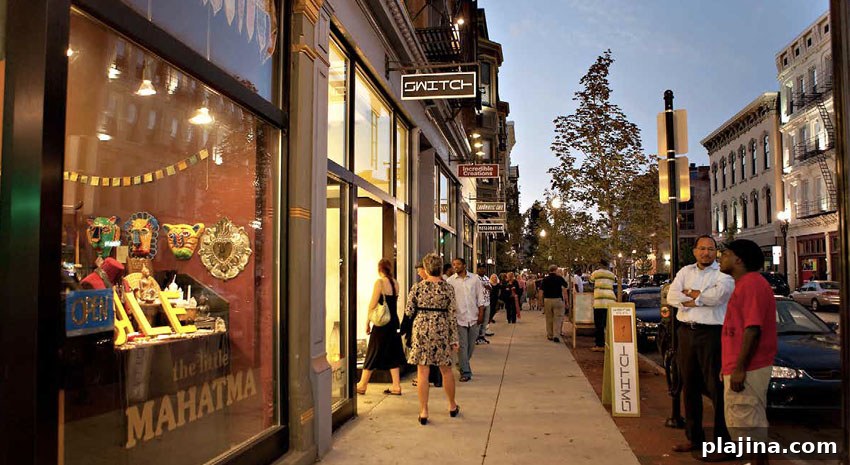
A change is occurring on the edge of the Midwest where Ohio meets northern Kentucky and eastern Indiana. Cincinnati, the state’s third-largest city and a longtime regional hub, is experiencing a renaissance. Revitalization has attracted new businesses, a growing millennial workforce and increasing numbers of visitors.
This isn’t Cincinnati’s first moment in the national spotlight. In the 1800s it ranked among America’s top 10 cities by population and prospered as an important shipping hub on the Ohio River, driven by German and Irish immigrants. For a time it was nicknamed “Porkopolis” as the world’s leading pork producer. By 1890 it also earned the title “Beer Capital of the World,” with the historically German neighborhood Over-the-Rhine once boasting more breweries per capita than anywhere else.
Over time, however, the city’s prominence shifted. Chicago grew into the dominant pork-processing center, Over-the-Rhine slipped into decline, and other, larger cities rose as the nation expanded westward.
Cincinnati remained an economic anchor for its residents and for surrounding rural communities in Ohio and Kentucky, but it was no longer a national destination. Major local employers such as Procter & Gamble and Kroger faced growing challenges recruiting talent from beyond the region. The 2001 riots made it clear that a new direction was needed.
According to Joe Rudemiller, senior communications manager at Cincinnati Center City Development Corp. (3CDC), “Following a period of civil unrest, a number of corporate leaders got together with then-mayor Charlie Luken and formed a nonprofit development company with the goal of revitalizing Cincinnati’s urban core.” The nonprofit—3CDC—set out to drive that change.
“We’ve been at this for almost 15 years now. We’ve put in $1.3 billion worth of projects between the central business district and Over-the-Rhine in downtown Cincinnati. One of our first projects—which I’d recommend anyone visiting Cincinnati see—is Fountain Square, right in the heart of the central business district. When 3CDC first began, parts of the city felt crime-ridden and unsafe, and Over-the-Rhine had fallen into disrepair.”
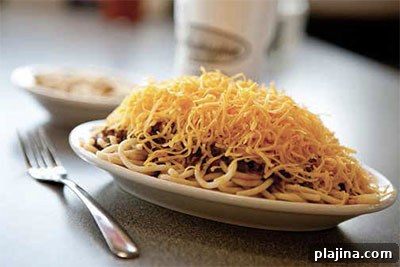
Cincinnati-style chili at Camp Washington Chili © TERI STUDIOS
Major multimillion-dollar investments have reshaped the city. Over-the-Rhine—the largest intact historic district in the United States—has revived as a brewing and cultural hotspot. Findlay Market, the state’s oldest continuously operating public market, draws food lovers and locals with its lively stalls. From vivid murals to Italianate architecture, Over-the-Rhine has been recognized as one of North America’s most interesting neighborhoods.
That transformation extends beyond Over-the-Rhine. Vine Street runs through downtown as a bustling dining and shopping corridor filled with new restaurants, bars and retail shops. An arts corridor anchors the cultural scene: Cincinnati Music Hall, a landmark built in 1878, recently completed a $144 million restoration. Nearby Memorial Hall offers a more intimate concert venue with roughly 600 seats, while the adjacent Cincinnati Shakespeare Company opened a new theater to enrich the city’s performing-arts options.
To make getting around easier and greener, Cincinnati added transportation options such as the Cincinnati Red Bike bike-share program and a convenient streetcar system that operates on a 3.6-mile loop.
Although many improvements were designed to benefit residents first, they have also boosted tourism. New hotels now cater to a wide range of travelers, including the Art Deco Renaissance Cincinnati Downtown Hotel, the trendy 21c Museum Hotel Cincinnati and the AC Hotel Cincinnati at The Banks by Marriott. Additional properties have been planned to expand lodging and meeting capacity, making the city more attractive for events and conferences.
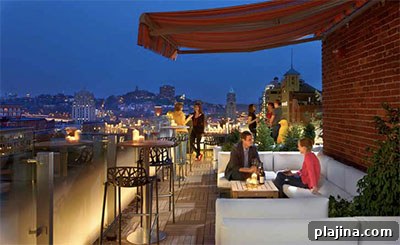
Rooftop bar at 21c Museum Hotel © 21C MUSEUM HOTEL
“Right now Cincinnati is a fantastic place to visit. It has a really vibrant, downtown urban core,” Rudemiller says. “It’s come a long way over the past 13–14 years, thanks to not only a lot of the work our organization has done but so many other folks in the community.”
Community pride fuels much of the city’s renewal. Residents of all ages speak enthusiastically about the new restaurants, cultural offerings and neighborhood improvements. They appreciate the blend of urban convenience and Midwestern friendliness. A growing startup scene and robust support for entrepreneurs are creating fresh job opportunities and energizing local innovation.
One lingering question remains: can Cincinnati preserve its charm and approachable character even as it stands as a leading example of Midwestern revitalization?
SCENIC DRIVES
Cincinnati’s location makes short rural escapes easy. A 2.5-hour drive southeast brings travelers to Hocking Hills State Forest, a 9,000-acre natural area with dramatic caves, steep gorges, waterfalls and old-growth trees. The park is popular for hiking, rock climbing and rappelling.
Heading farther south into Kentucky leads to Red River Gorge, an unexpected canyon landscape known for its climbing routes and scenic beauty that appeals year-round.
For travelers seeking quintessential Kentucky scenery—rolling hills, horse farms and bourbon—the Woodford Reserve distillery in Versailles is about a 90-minute drive from Cincinnati. That route includes classic Bluegrass State vistas and plentiful photo opportunities.