
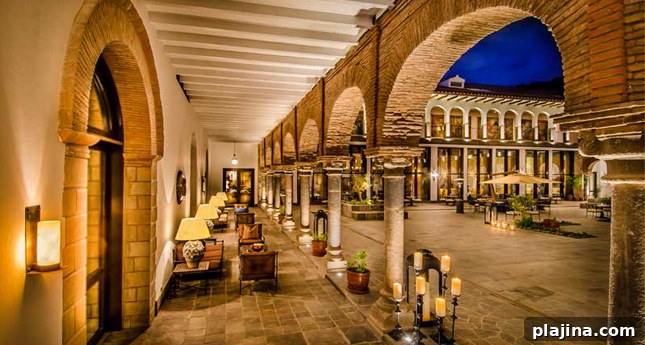
I let the warm Cusco sun slowly melt the ice in my pisco cocktail as I relaxed in the historic courtyard café of the JW Marriott El Convento Cusco. The space once belonged to a 16th-century convent where Augustinian monks lived and moved through the surrounding rooms. Abandoned and slowly decaying for centuries, the convent sat quietly as travelers passed on their way to Machu Picchu until 2006, when the site was carefully transformed into a refuge that honors its past. Surrounded by ancient columns and a historic façade, I pictured Peruvian monks strolling these same grounds and felt the hotel’s restoration had given the space a new voice. As the sun warmed the courtyard, it was easy to feel part of the site’s renewed history.
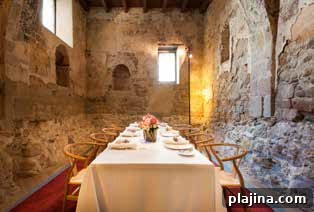
Mercer Hotel Barcelona dining area © MERCER HOTEL BARCELONA
Rather than simply commemorating the past, El Convento Cusco invites guests to live within it. This approach is part of a global trend: historic buildings converted into hotels provide immersive experiences that connect travelers to local culture and history. In Europe, guests staying at Zum Roten Bären sleep within one of the continent’s oldest hotel structures, with sections of walls dating to 1120. In Marrakech, the Riad Star preserves the legacy of artistic residents, and in Barcelona travelers can choose between the contemporary, design-minded Serras Hotel—located in Picasso’s early surroundings—or the Mercer Hotel Barcelona, where medieval arches and remnants of Roman fortifications inform a luxurious stay.
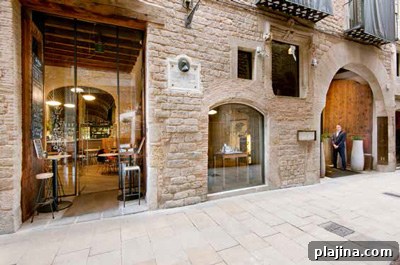
Mercer Hotel Barcelona exterior © MERCER HOTEL BARCELONA
Historic hotels offer more than a place to sleep; they add depth and narrative to a journey. Travelers increasingly prioritize unique experiences over standardized comforts: a survey commissioned by American Express found that a strong majority prefer spending on experiences rather than possessions. Guests look to be inspired and immersed in their destinations, and historic hotels deliver authenticity through architecture, artifacts, local cuisine and bespoke cocktails. Heather Taylor, manager of marketing communications at Historic Hotels of America, notes that these properties tell stories through preserved elements and creative touches that a modern, cookie-cutter hotel cannot reproduce.
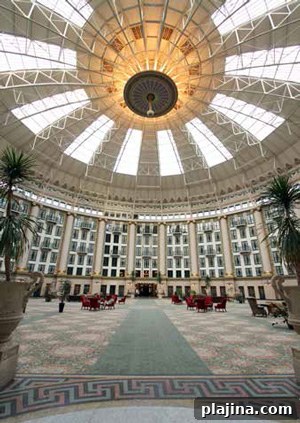
Dome in the West Baden Springs Hotel © ERICA SCHROEDER | DREAMSTIME.COM
“The story these hotels tell is interwoven throughout and displayed in fun and interesting ways to travelers,” Taylor explains. Historic properties often become destinations in their own right, offering experiences unavailable in new builds. Examples include the Hotel Hershey, where a check-in chocolate highlights the town’s connection to confectionery history, and the West Baden Springs Hotel, known for its vast domed atrium—once the largest free-span dome until the construction of the Houston Astrodome. Exploring a historic hotel can feel like an adventure: unique architectural details, hidden rooms and layered histories reward guests who take time to look and ask questions.
The Culloden House Hotel in Inverness, Scotland, illustrates how deeply a site’s history can shape the guest experience. The property’s imposing coat of arms, stone steps and heavy door hint at a past that reaches back to a fortified Jacobean castle. The castle’s ownership changed hands over centuries, and it played a role during the Jacobite uprising: Bonnie Prince Charlie used the castle as headquarters until the Battle of Culloden in 1746, fought just steps from the property. That conflict reshaped Scotland’s history and led to a widespread diaspora. Later restoration preserved many original structures; vaulted cellars and sections of the old dungeon now serve modern uses such as a sauna and massage room. Today’s guests enjoy modern amenities—free WiFi, a gourmet restaurant and in-room sound systems—while still feeling connected to the site’s dramatic past.

Riad Star Ebony Suite © RIAD STAR
Catherine Leonard, secretary-general of the International National Trusts Organisation, observes that heritage can ground us amid rapid development and globalization. Rather than losing appeal to technology-driven trends, historic hotels benefit from travelers’ desire for place identity and distinctiveness. Adaptive reuse—the conversion of factories, armories, stations and convents into hotels—has gained momentum as communities and developers recognize the value of preserving meaningful buildings. According to Taylor, the memorable experiences these hotels provide encourage guests to seek out historic properties again and again.
To be listed in the Historic Hotels Worldwide directory, a property must meet several standards that preserve authenticity and significance. These criteria include continued use as historic accommodations, being at least 75 years old, historic relevance to a district or notable event, visible celebration of its history through memorabilia and interpretation, and recognition by a local preservation organization or national trust. These benchmarks ensure that historic hotels remain faithful stewards of their past while offering guests enriching, contemporary stays.
- Present use as historic accommodations
- Be 75 years or older
- Be historically relevant as a significant location with a historic district, historically significant landmark, place of a historic event, former home of a famous person or historic city center
- Celebrate its history by showcasing memorabilia, artwork, photography and other examples of its historic significance
- Be recognized by a local preservation organization or national trust