
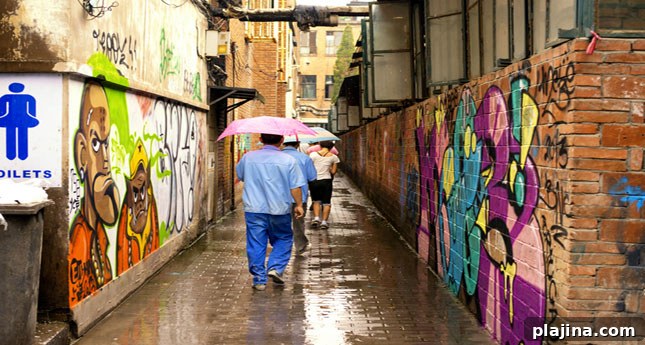
Among 50-year-old decommissioned military factories stamped with red Maoist slogans, Beijing’s leading contemporary artists are making a name for themselves with bold, avant-garde exhibitions. Drawn by the cathedral-like ceilings, exposed steel, and Bauhaus-inspired industrial aesthetic, artists began arriving in the Chaoyang neighborhood in 2002. Over time they transformed the former weapons factories into a vibrant cluster of galleries and studios known today as the 798 Art Zone.
Factory 798 is one of several Soviet-designed buildings repurposed to house large-scale multimedia installations, experimental projects, and diverse exhibitions by both Chinese and international artists. The site includes some of the city’s most prominent cultural venues. The Ullens Center for Contemporary Art, for example, is a major gallery space that hosts rotating exhibitions, film programs, and public events. Within the original 798 complex, 798 Photo stands out as China’s first gallery devoted exclusively to art photography, offering curated shows that highlight both established and emerging photographers.
The zone became synonymous with the cutting edge of China’s art scene through daring performances and conceptual work. One notable artist associated with the area is He Yunchang, known for extreme endurance pieces such as being confined in a wooden box for 24 hours and then chiseled out. These provocative displays helped define the district’s reputation for experimental art and performance.
As the area attracted attention, more visitors began arriving by the busload to see headline-grabbing pieces and immersive installations. That surge in tourism boosted the local economy but also pushed rents upward, gradually shifting parts of the neighborhood toward a more commercial atmosphere with shops, cafés, and design stores catering to cultural consumers. Despite this commercialization, the 798 cluster retained enough creative energy to prevent its conversion into a proposed technology park. That development challenge ultimately secured the neighborhood’s continued role as a central hub of Beijing’s contemporary art world.
Today, the 798 Art Zone remains an important destination for those interested in contemporary art, architecture, and urban renewal. The repurposing of industrial spaces into cultural institutions demonstrates how creative communities can transform unused infrastructure into thriving public spaces. With large exhibition halls, public programs, and a mix of experimental and commercial activities, the district continues to evolve while preserving the distinctive industrial character that first attracted artists to its high, light-filled interiors.