
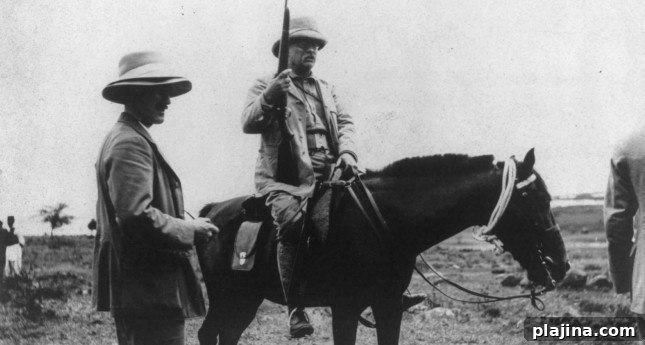
“Every traveler has a different travel style and vacation preference, and the same holds true for presidents. Our country’s past leaders preferred a variety of destinations, both at home and abroad. Here’s a sneak peek at a few of their favorites…”
Read more at trazeetravel.com.
Presidential vacations reveal as much about a leader’s personality as they do about the times in which they served. Some presidents sought quiet retreats to recharge, others pursued outdoor adventure, and a number chose culturally rich cities for leisure and diplomacy. Below is a concise look at the kinds of places former U.S. presidents favored, emphasizing variety, relaxation, and occasionally, recreation that doubled as informal statecraft.
Seaside and Coastal Retreats
Many presidents found the ocean’s calm restorative. Coastal towns and private beaches offered privacy and a respite from the capital’s pressures. These seaside escapes ranged from modest cottages to larger estates, where presidents could walk along the shore, engage in low-key socializing, and work with a quieter schedule. The salt air and open horizons provided an ideal backdrop for reflection and family time.
Mountain and Wilderness Getaways
For presidents who loved the outdoors, mountains and wilderness areas were popular choices. These locations provided opportunities for hiking, fishing, and hunting—activities that allowed leaders to unplug and enjoy physical exercise. Secluded lodges and cabins offered privacy and a chance to connect with nature, often accompanied by close friends, family members, or advisors in a less formal setting.
Historic Towns and Cultural Cities
Some presidents preferred destinations rich in history and culture. Historic towns and European cities, in particular, appealed to those who enjoyed museums, architecture, and fine dining. These trips could combine leisure with a subtle diplomatic edge, enabling presidents to appreciate arts and culture while maintaining a public presence that reflected their administration’s interests.
Family-Friendly Destinations
Family vacations were a frequent priority. Presidents often chose spots that accommodated children and extended family, such as lakeside homes, private islands, or resort towns with recreational activities. These trips emphasized downtime and bonding—swimming, boating, or simply enjoying unstructured family moments away from official duties.
Private Estates and Ranches
Privacy was a driving factor for many leaders. Private estates and ranches provided secure environments where presidents could relax without constant public attention. On these properties, leaders could host guests, pursue hobbies like horseback riding and gardening, and take advantage of controlled surroundings that balanced leisure with necessary security measures.
Domestic vs. International Travel
While some presidents favored domestic retreats for ease and security, others took advantage of international travel for both leisure and soft diplomacy. International destinations allowed presidents to experience different cultures and engage informally with foreign counterparts. Regardless of location, travel often blended personal relaxation with the realities of leadership.
What These Choices Reveal
Vacation choices reflect personal temperament, family considerations, and the practical needs of office. Whether seeking solitude by the sea, adventure in the mountains, the comforts of a private estate, or the stimulation of cultural centers, presidents’ preferred destinations offer insight into how they balanced public responsibilities with private life.
Each vacation spot, from quiet beaches to lively cities, served as more than a backdrop for leisure—it was a setting where leaders could rest, reconnect, and occasionally shape informal relationships that mattered to their roles. These varied preferences highlight that, beneath the official duties, presidents—like all travelers—seek renewal in places that match their tastes and values.