
Air travel has long been a battleground of added fees, and now some airlines are proposing another charge: a fee to file a complaint.
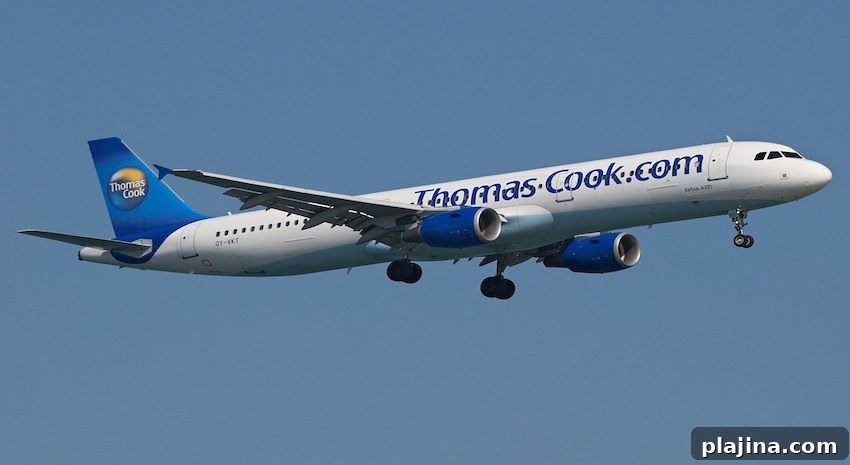
In the United Kingdom, reports indicate that several carriers—including British Airways, easyJet and Thomas Cook—are planning to require customers to pay up to £25 (roughly $33) to submit a formal complaint. This change follows the Civil Aviation Authority’s decision to stop handling passenger disputes directly and instead allow independent mediation providers to manage complaints. With a third party now involved in the resolution process, airlines expect that more issues will be settled outside of court through direct mediation between the passenger and the carrier.
Because independent dispute resolution organizations typically bill for their services, airlines are passing those costs on to passengers who want to lodge complaints. Some carriers have signed agreements with the Centre for Effective Dispute Resolution in London; others, including Turkish Airlines and Ryanair, have chosen different providers—some of which reportedly do not charge a fee for mediation.
To reduce consumer concern about paying to seek redress, airlines say the complaint fee will be fully refunded whenever a passenger’s claim is upheld and compensation is awarded. That refund policy is intended to ensure that claimants are not financially penalized for pursuing legitimate grievances while still covering the administrative costs of mediation when complaints are unfounded or withdrawn.
The move has prompted mixed reactions. Supporters argue that a moderated complaint process can discourage frivolous claims, speed up resolution, and lower legal costs for both passengers and airlines. Critics counter that adding a monetary barrier could dissuade legitimate complaints, limit consumer access to justice and shift the balance of power further toward carriers. Consumer advocates emphasize the importance of transparency about which providers charge fees and how disputes are processed to ensure passengers are not unfairly disadvantaged.
In practice, the effect of these changes will vary based on the mediation provider chosen and the airline’s specific policies. Where airlines partner with fee-free providers, passengers may not experience any additional cost to lodge a dispute. Where a fee is required, passengers should be assured that successful claims are refunded; however, the up-front cost could still be a deterrent for some travelers.
Travelers who anticipate the possibility of disputes can take steps to protect themselves. Keeping clear records—boarding passes, booking confirmations, photos, receipts and correspondence—makes it easier to demonstrate the merits of a claim. Filing promptly and following the airline’s published complaint procedure will also speed the process. Finally, passengers should check the airline’s published dispute resolution partner and fee policy before deciding whether to file a formal complaint.
As the industry adapts to the CAA’s withdrawal from direct dispute handling, passengers should watch for official announcements from airlines about mediation partners and fee structures. Clear, accessible information from carriers and mediation firms will be essential for maintaining consumer confidence and ensuring that valid complaints remain easy to pursue without undue burden.