
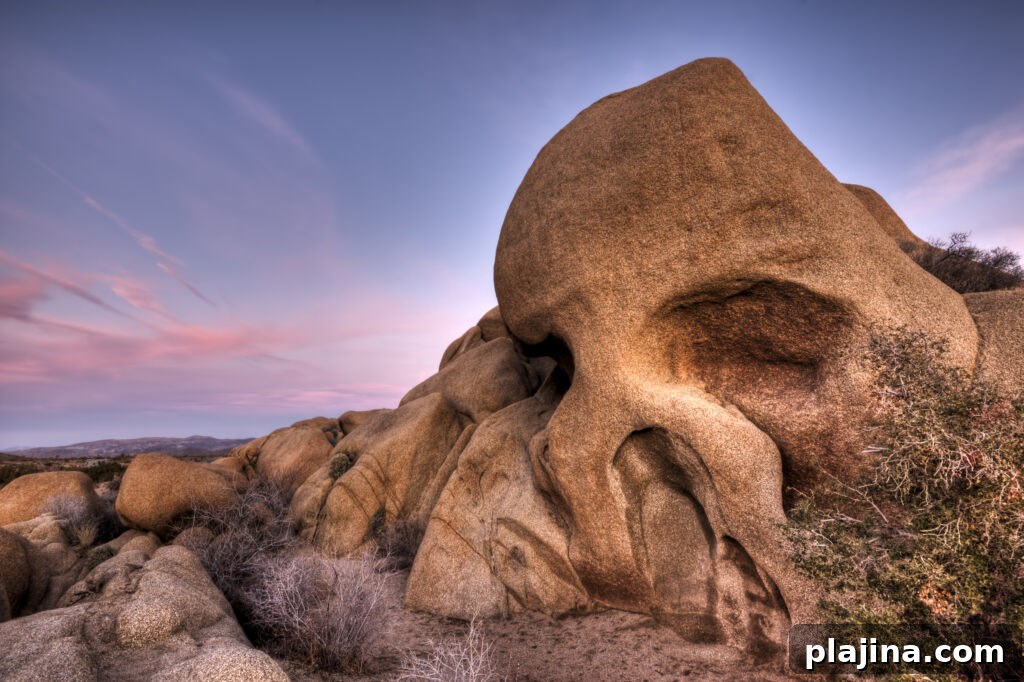
Spanning nearly 800,000 acres between Palm Springs and the Colorado River, Joshua Tree National Park protects native cacti and succulents, including its namesake, the Joshua tree. Many visitors take a self-guided route through the park to admire these striking members of the agave family, but guided experiences reveal more about the two distinct desert ecosystems and offer deeper insight into the area’s natural and cultural history.
© Tsebourn | Dreamstime.com
For a self-guided visit, begin at one of the park’s three visitor centers, each positioned near a main entrance: Joshua Tree town, Twentynine Palms, and the park’s south entrance off Interstate 10. Passenger cars can explore much of the park via paved Park Boulevard, which links the Joshua Tree and Twentynine Palms entrances. Pinto Basin Road, also paved, meets Park Boulevard and extends south to I-10.
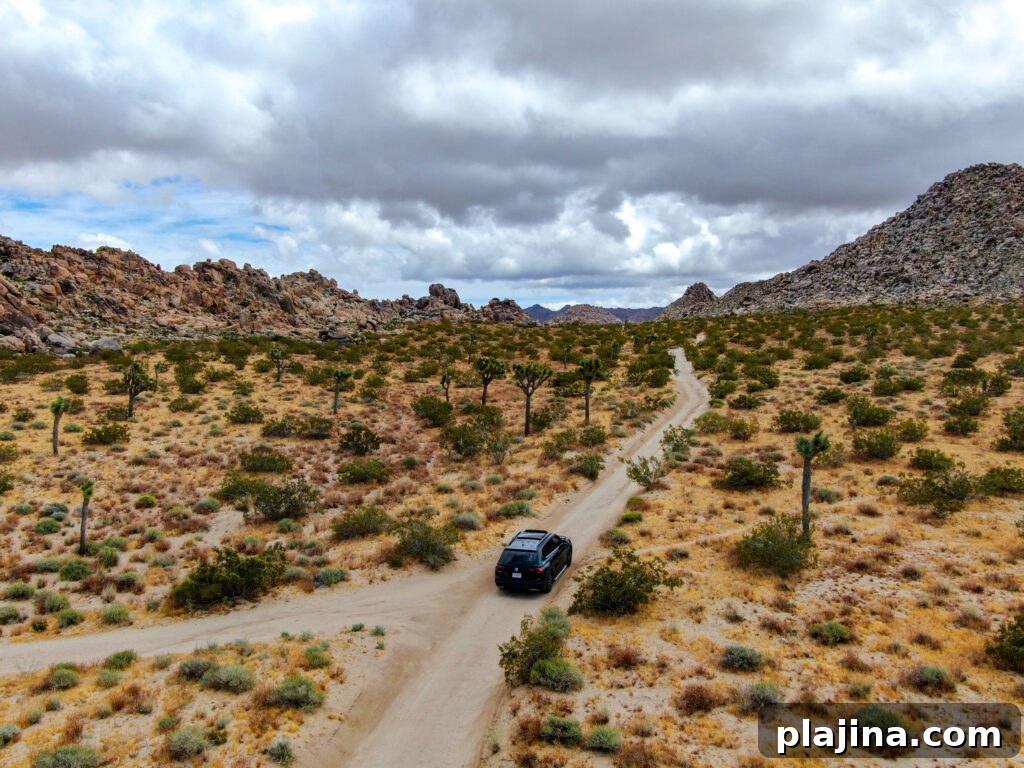
Most two-wheel-drive vehicles can manage Queen Valley roads and portions of the Geology Tour Road, but true backcountry travel typically requires a high-clearance, four-wheel-drive vehicle. If you prefer not to drive rugged routes yourself, several companies — including Red Jeep Tours and Adventure Hummer Tours — run guided trips that safely traverse the park’s backcountry roads.
Hiking is another popular way to experience Joshua Tree National Park. Trails range from short paved loops and easy walks to strenuous hikes that the National Park Service advises against during summer due to extreme heat. If you want added safety and interpretation, consider booking a guided hike through the Desert Institute, which also offers photography, art and natural history classes led by experienced instructors.
© Bonandbondw | Dreamstime.com
With more than 8,000 climbing routes and roughly 2,000 boulder problems, Joshua Tree draws climbers from across the globe. Climbers of all levels can find suitable routes, and several outfitter-guides provide introductory lessons and guided climbs for beginners as well as technical instruction for advanced climbers. Because temperatures can become extreme, most guided climbing seasons run from October through May.
Night sky viewing is a highlight that requires no guide. As an International Dark Sky Park, Joshua Tree offers exceptionally dark skies ideal for stargazing. Bring binoculars or a telescope if you have them, or visit the park’s small observatory near the Twentynine Palms entrance when it is open. The park also schedules ranger-led astronomy programs that provide context about stars, planets and the desert night environment.