
From the steaming bowl placed before me rises an irresistible aroma: a serving of bidos, a hearty reindeer stew, brought by a smiling waiter in the quietly elegant Brasserie Árran, the Sámi restaurant aboard MS Trollfjord.
During a shore excursion to a Sámi family’s home in northern Norway I learned how central reindeer herding is to their way of life. That perspective — a deep respect for animals and the land — made the meal more meaningful, highlighting how the reindeer is honored and valued throughout their culture.
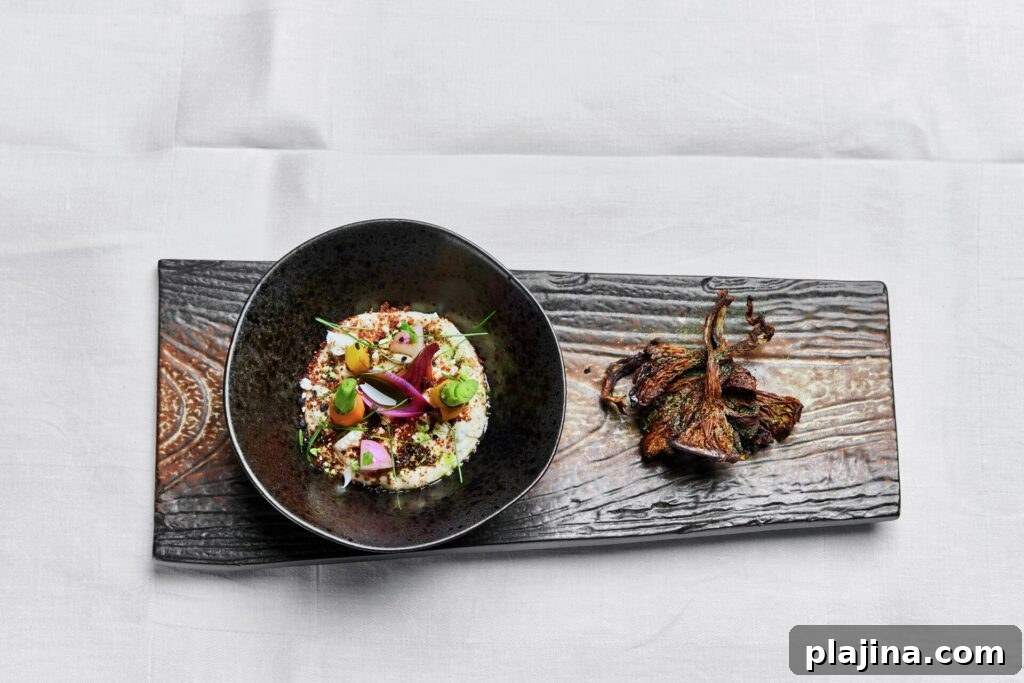
© Hurtigruten
While the stew was a highlight, the culinary offerings on MS Trollfjord are consistently impressive. Alongside the rustic, wood-and-stone ambience of Brasserie Árran is Flora, the ship’s main dining room. I made a list of traditional Norwegian foods to try between aurora watches, and Flora’s menu delivered: truffle seaweed, hand-harvested sea salt from Gossen Island, waffle cookies with cloudberry cream, and lompe, a rustic flatbread made from potato and flour batter.
New discoveries included Short Traveled cheese from a local producer, paired with a compelling carrot marmalade, and a delicate syrup made from crowberries harvested in the Lofoten Islands, also used to make a regional sparkling wine. That wine has roots reaching back centuries: it was first ordered by King Sverre Sigurdsson in the 12th century as a preferred local alternative to imported varieties.
For a more formal evening, Røst offers fine dining in a warm, elegant setting that belies the cold fjord far below. The restaurant’s creative menu pays tribute to the food traditions of Norway’s coast, emphasizing local ingredients prepared with restraint and respect.
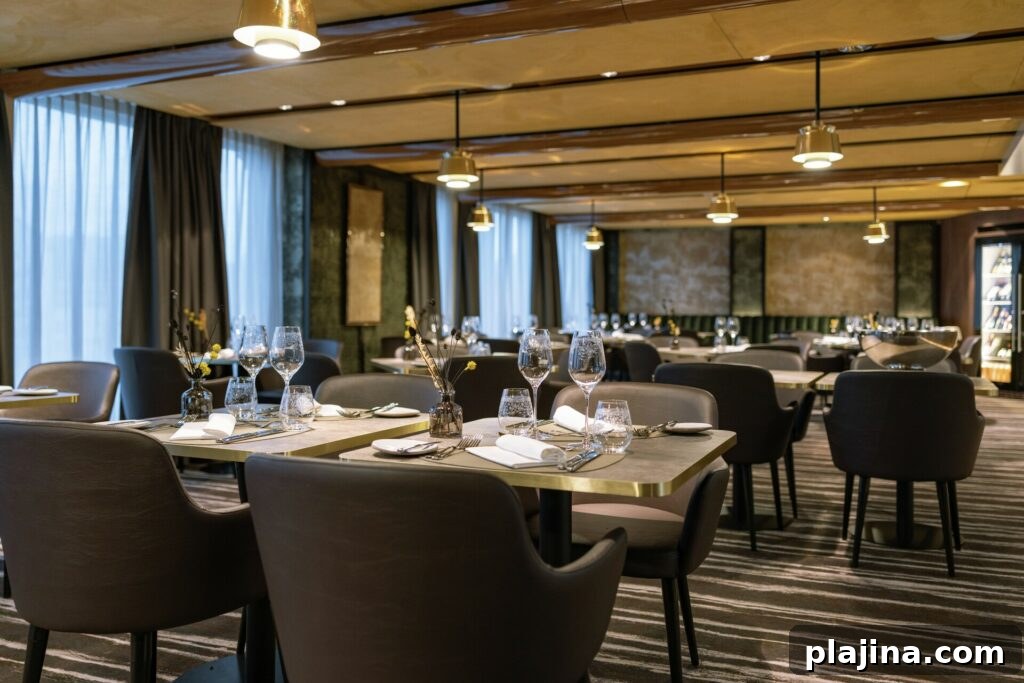
© Espen Mills
“Røst is not just a gourmet restaurant; it’s a celebration of Norwegian culture and history, local traditions and locally sourced food. We aim to offer the essence of all the best from Norway’s coastline,” said Øistein Nilsen, culinary director. “At Røst, it’s about simplicity and honesty. Using the finest ingredients, we let the natural flavors shine through. We believe in preserving the essence of food without overcomplicating the dishes. I am incredibly proud of all the culinary concepts we have at Hurtigruten, but Røst holds a special place in my heart.”
Whether you choose breakfast, lunch, dinner, or all three, expect exquisitely prepared dishes: Norwegian scallops paired with sea urchin, reindeer with blackberries, Jerusalem artichoke and pickled yellow beetroot, and white chocolate cream topped with cloudberries gathered on the Arctic tundra. The wine list is carefully curated, and if your cruise timing aligns, you may sample a sparkling wine deliberately aged in the deep, cold waters of the Arctic.
“Over the past 12 years, we have developed Norway’s Coastal Kitchen. During this process, we moved from imported lamb to locally sourced lamb grazing on herbs and berries in the Lofoten mountains, brought onboard from nearby ports,” Nilsen added. “When I developed Røst, my goal was to elevate the overall experience, give chefs greater creative freedom, and provide guests with the ultimate expression of Hurtigruten’s culinary philosophy.”
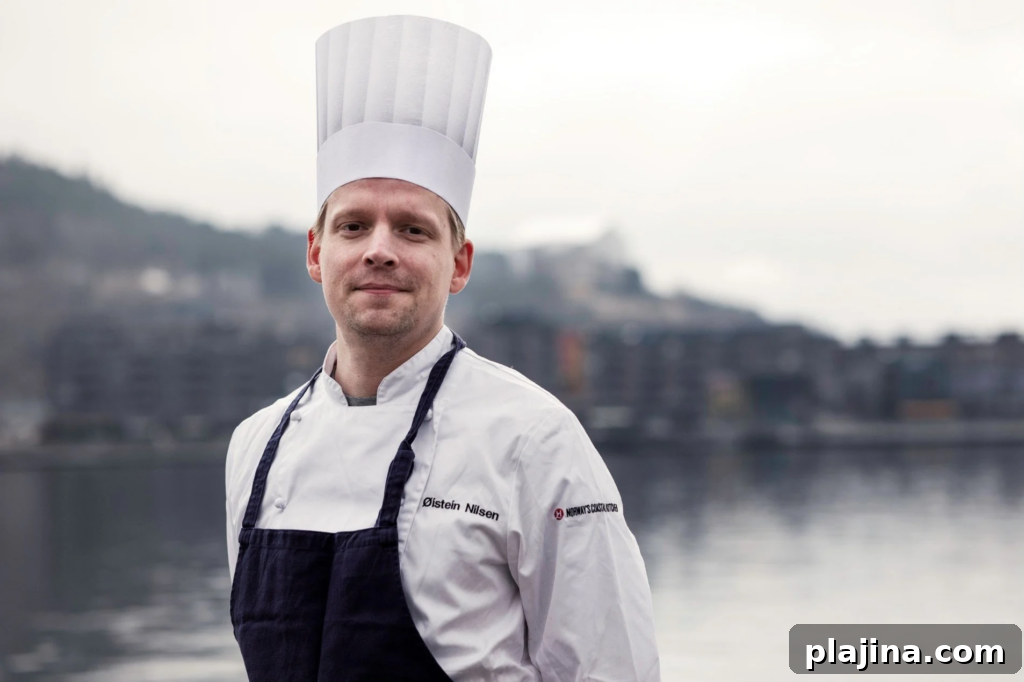
Øistein Nilsen © Hurtigruten
Hurtigruten’s food program also extends beyond the plate. Food waste from the fleet is converted into fertilizer for a farm near the port of Stamsund: waste is first processed in a compost reactor at port and then distributed to local farmers to nourish crops. This circular approach reinforces the company’s commitment to sustainability and regional partnerships.
The dining experience is designed to connect guests with the stories behind each ingredient — the farmers, fishers and artisans who produce them. That sense of place is present even at 1893 Bar, where a short stop for aquavit — a warming Norwegian spirit flavored with caraway or dill — is a fitting way to conclude a day at sea before you head to the deck to watch the Aurora Borealis.