
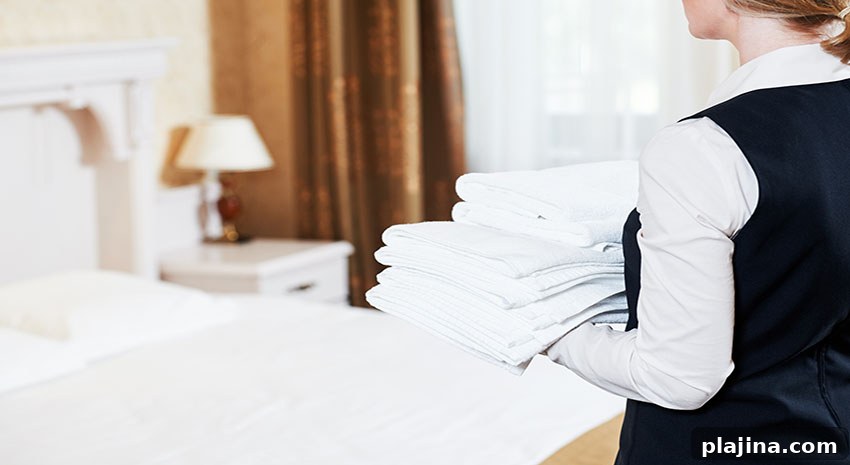
Westin has launched a sustainability initiative to collect, process, and upcycle hotel bed linens into children’s pajamas for distribution to kids in need.
“As people incorporate wellness more holistically into travel and everyday life, giving back has become an important part of their overall sense of well-being,” said Brian Povinelli, senior vice president and global brand leader, Westin Hotels & Resorts. “Wellness is in the Westin brand’s DNA, and Project Rise: ThreadForward demonstrates how we can support the well-being of our guests and associates while making a positive impact in nearby communities — and hopefully inspire broader industry change.”
Charles Morin, president of the World Sleep Society, emphasized the connection between sleep and health: “Sleep remains the foundation of well-being. Yet about one third of adults and many children are not getting sufficient sleep. Research indicates that consistent bedtime routines, especially for children, help produce more restorative sleep, which benefits both physical and emotional health.”
To bring the program to life, Westin partnered with nonprofit Clean the World and Divergent Energy to design a collection and processing system for used linens. Together they developed a proprietary upcycling method that ensures the fabric meets safety standards and provides comfortable, durable pajamas for children.
“Turning sheets into children’s pajamas at this scale is new,” said Shawn Seipler, founder and CEO of Clean the World. “Our partnership with Westin has expanded over the past eight years through bath and soap recycling programs, so we were excited when Westin invited us to help realize this idea. Project Rise: ThreadForward is an outstanding effort to improve children’s health and advance sustainability.”
The program addresses two key goals: reducing textile waste from hospitality operations and supporting child well-being through comfortable sleepwear. By diverting used linens from landfills and transforming them into pajamas, the initiative reduces the environmental footprint of hotel operations while delivering a tangible benefit to families and children who receive the garments.
Operationally, the program relies on a coordinated logistics and processing workflow. Hotels collect eligible linens that are no longer suitable for guest use but still in good condition. Those items are then transported to processing facilities where they are inspected, cleaned, and converted into pajama fabric using the proprietary method designed to meet safety and comfort standards. The finished sleepwear is packaged and distributed through community partners to reach children in need.
Beyond the immediate social and environmental benefits, the project highlights how hospitality brands can innovate in textile reuse and circularity. By developing reusable systems and partnerships, hotels can reduce waste, create new value from existing resources, and deliver community-focused outcomes tied to their brand purpose.
Project Rise: ThreadForward builds on Westin’s broader wellness and sustainability commitments. Turning linens into sleepwear reinforces the brand’s focus on better sleep as an element of guest health, while offering a measurable way to reduce waste. The company says it hopes the program will encourage other industry players to explore similar circular-economy approaches.
In sum, Westin’s initiative repurposes hotel linens into children’s pajamas through a vetted upcycling process, combines sustainability with charitable distribution, and aims to improve sleep, health, and environmental outcomes for communities served by the program.