
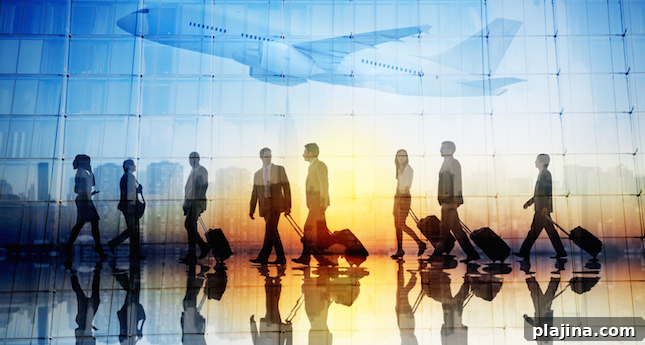
Booking.com published a survey identifying the main stressors for frequent business travelers. While it’s expected that business travelers experience more stress than leisure travelers, the specific causes differ. Of the 4,500 business travelers across eight countries who were surveyed, 39 percent reported positive feelings about business travel, yet 93 percent admitted to feeling stressed at least once during a trip.
The survey highlighted that flight cancellations or delays and jet lag are among the leading causes of stress, cited by 47 percent and 42 percent of respondents, respectively. International business travel tends to be more challenging than domestic trips: travelers express concerns about language barriers, unfamiliar environments, cultural differences, and being far from family and friends. The study also found a gender difference: men reported greater anxiety about being away from loved ones than women, by a margin of 7 percent.
“While business travel has many positives, such as the chance to experience new cultures, expand perspectives and meet colleagues face-to-face, the logistics can interfere,” said Ripsy Bandourian, director of product development for Booking.com for Business. “Long airport lines and delays, accommodations that lack the comforts of home, and limited personal time can all contribute to added stress.”
The findings underscore the importance for employers and travel managers to consider both practical and emotional support for business travelers. Practical measures include booking reliable connections, allowing buffer time between meetings, and choosing accommodations that offer consistent comfort and amenities. Emotional support can come from flexible scheduling, opportunities for downtime, and resources that help travelers cope with jet lag and time zone changes.
Addressing language and cultural challenges is also vital for smoother international trips. Simple steps—such as providing language resources, cultural briefings, or access to local contacts—can reduce uncertainty and help travelers feel more confident in unfamiliar settings. Companies that proactively prepare and support employees for these aspects of travel often see improved productivity and well-being among their traveling staff.
In addition to corporate policies, individual travelers can adopt strategies to minimize stress. Planning itineraries with realistic expectations, prioritizing sleep and hydration to combat jet lag, and keeping in touch with friends and family through scheduled calls can ease the emotional strain of being away. Packing familiar comfort items and selecting accommodations with reliable internet and workspaces can also make business trips feel more manageable.
Ultimately, the survey shows that while business travel brings valuable opportunities, it also introduces predictable stressors that can be mitigated. Awareness and thoughtful preparation from both organizations and travelers can help turn demanding trips into productive and less stressful experiences.