
Expedition cruises occupy a category of their own. These itineraries prioritize wild, remote destinations, so the journey often begins before you step aboard. Take one of the most popular expedition routes to Antarctica: passengers commonly start in Ushuaia, the southernmost city in South America. Depending on your origin, reaching the ship can involve a multi-day trip with stops in cities such as Buenos Aires, a charter flight to Ushuaia and a shuttle to the port — logistics expedition operators handle on your behalf.
Contemporary expedition cruising evolved from practical, low-frills voyages that safely transported travelers to places once visited mainly by scientists. Lindblad Expeditions staged its first Antarctic voyage in 1966 and its inaugural Galápagos trip in 1967. Other specialists followed, developing nature-focused itineraries and partnerships that enhanced the guest experience. Over time, lifestyle cruise lines also added purpose-built expedition vessels to their fleets, and luxury brands introduced ships tailored to remote, immersive travel. Today’s offerings range from small-ship, research-oriented trips to more luxurious expedition experiences covering destinations such as the Amazon, the Arctic, Greenland, and South Pacific island chains.
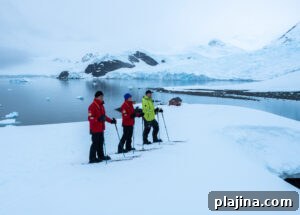
PHOTO: © VIKING
With so many options, consider what type of expedition suits you. If you want frequent, hands-on activities and extended time ashore for research or exploration, choose a smaller vessel that carries fewer passengers and prioritizes active programming. If you prefer to relax and view scenery from onboard amenities like a hot tub, with included beverages and fewer daily excursions, pick a more luxurious ship that focuses on comfort and leisure.
“An expedition cruise invites you to be not just an observer but an active participant,” says Torunn Tronsvang, founder and CEO of Up Norway, a Nordic travel curator currently running a Coastal Cruise Wild Varanger Immersion. “Unlike ocean or river cruises with fixed routes and a leisurely pace, expedition cruises emphasize exploration and discovery.”
Expect weather and sea conditions to shape the schedule. Remote landing sites usually lack docking facilities, so passengers board small inflatable boats (often called Zodiacs) to reach shore. Rough seas or storms can make Zodiac operations unsafe, delay landings or require the ship to slow down, which may alter planned activities. Flexibility and patience are essential when traveling to rugged environments.
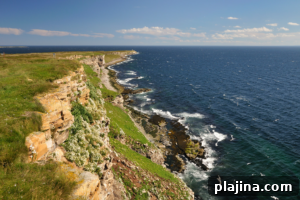
PHOTO: © UP NORWAY
Respect for local regulations is equally important. Guides typically accompany landings to protect both passengers and vulnerable wildlife. Some ships restrict certain materials or garments that could damage fragile ecosystems, so check regulations in advance to avoid packing prohibited items.
Packing lists from your cruise operator will outline essentials. Many expedition lines provide or loan specialized gear: insulated parkas, waterproof pants and boots are commonly available, sometimes included at no extra cost. Some companies partner with gear rental services to supply items such as dry bags and thermal layers, delivered to and returned from the ship so you can avoid transporting bulky, infrequently used equipment.
Evening programming on expedition cruises tends to be educational rather than theatrical. Expect lectures, scientific briefings and destination-specific documentaries rather than large-scale entertainment productions. That emphasis on learning and immersion is what distinguishes expedition cruising—whether you spend evenings in the onboard lab, at a presentation or relaxing by the pool is up to you.
PLAN WISELY
Amanda Klimak, an expedition cruise specialist and president-owner of Largay Travel, emphasizes that “not all journeys are created equal” and that experiences vary significantly across brands. To ensure you choose a trip that matches your expectations, consider these recommendations:
Find out the ship’s passenger capacity and how many people can go ashore at once. Some regions, like parts of Antarctica, limit landings to specific numbers—often around 100 people—so larger ships may rotate landings and reduce individual shore time.
Ask what a typical day looks like, which activities are offered and which are included. Inquire whether research or citizen-science projects take place while at sea and what kinds of evening lectures or presentations are scheduled.
Book well in advance. Many expedition ships are small and sell out years ahead; the best pricing and availability are usually found when you plan early.