
On one side, waves breathe in and out across wide stretches of sand or crash against jagged rocks, sending spray into the air. On the other side, the landscape shifts: cliffs rise like walls, vineyards march in neat rows, and pine trees line the road. Between these extremes, cities give way to small towns with art galleries, family-run restaurants and shops selling beachwear.
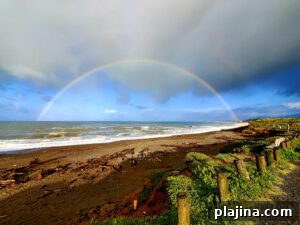
PHOTO: © TERESA BITLER
The route itself winds, dips and climbs. It cuts through mountain tunnels and crosses impressive bridges, including Bixby Bridge over Big Sur and the Golden Gate Bridge on San Francisco’s northern edge. At times it narrows to two lanes and traffic settles into a leisurely rhythm. The realization becomes clear: the Pacific Coast Highway isn’t just a road to reach a destination — it is the destination.
Often called one of America’s best road trips, the Pacific Coast Highway earned its nickname because it parallels the Pacific Ocean. Technically, much of it is Highway 1 in California and Highway 101 through Oregon and Washington. Parts of Highway 1 are also known as the Cabrillo Highway, while Highway 101 is designated the Pacific Coast Scenic Byway in Oregon. In some cities the PCH becomes a local street, such as 19th Avenue in San Francisco.
A good guidebook or a dedicated website will help you navigate the route and choose starting and ending points. The full PCH stretches nearly 1,700 miles, but you don’t need to drive the entire distance from Olympia, Washington, to San Diego, California, to experience it. Many travelers focus on a portion of the highway, with the most popular and scenic stretch running from San Francisco to Los Angeles.
This roughly 500-mile section includes many of the route’s highlights: Golden Gate Bridge, Monterey Bay Aquarium, Big Sur, Hearst Castle and Santa Monica Pier. Although a landslide known as Regent’s Slide closed Highway 1 between Big Sur and San Simeon in February 2024, the road has since reopened. Driven without stops, the San Francisco–Los Angeles drive takes about 10–12 hours, but most people spend several days or a full week to appreciate the sights at a comfortable pace.
There’s some debate about which direction to travel. Heading south gives unobstructed ocean views, while driving north often reveals scenery that seems to build and intensify as you go. Either way, be cautious with larger vehicles: RVs can struggle on steep climbs and through narrow town streets, so plan accordingly.
Planning ahead is important. At minimum, make hotel or campsite reservations well in advance. Laila Fiege-Kollmann, owner of Shoreline Inn on the Beach in Cayucos, California, recommends booking summer and holiday stays at least two months ahead. For winter weekend stays, reserve about a month in advance; midweek visits can often be arranged a few days beforehand. Popular restaurants also book up, so consider reservations for dining.
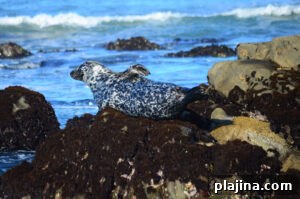
PHOTO: © TERESA BITLER
How much to plan depends on your travel style. Some attractions and activities require reservations or tickets, while others are accessible without advance booking. In San Simeon, for example, you can watch elephant seals at their rookery, visit the free museum at Hearst Castle grounds, hike local trails and sample wines at Hearst Ranch Winery without needing reservations for many options.
The PCH, especially its California stretches, can be driven year-round, but conditions and crowds vary by season. Summer brings larger crowds, foggy mornings and busy weekends. Fall often offers mild, sunny weather, while winter is typically too chilly for swimming. Spring is a favorite for many travelers—outside of spring break—because of wildflowers and whale migrations.
Temperatures can change quickly during the day, so dress in layers. Even in summer, pack a light jacket for wind and coastal drizzle. If you plan to get near the water, bring a towel and extra shoes.
INFO TO GO
Most travelers fly into one of the region’s major airports—Seattle-Tacoma International, Portland International, San Francisco International, Los Angeles International or San Diego International—and rent a car to drive the Pacific Coast Highway. One-way rentals allow you to return the vehicle at your final airport when the trip ends.