
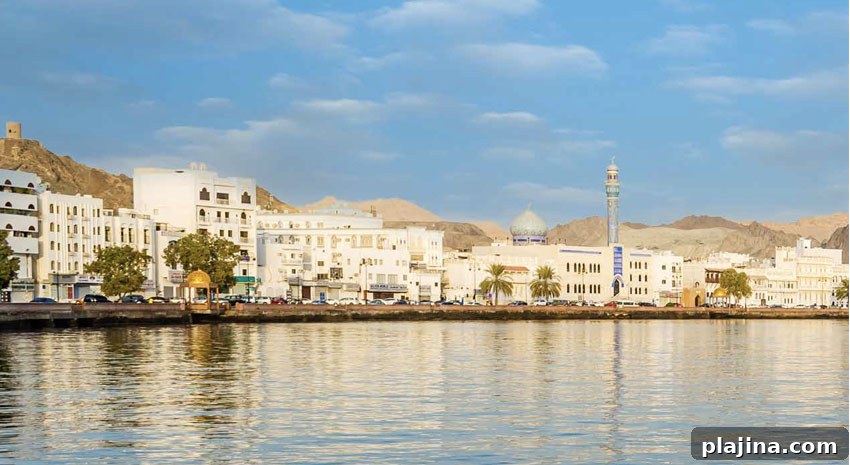
SITUATED ON THE ARABIAN PENINSULA, often amid regional unrest, Oman preserves a calm and orderly character. Avoiding the military conflicts that have affected some neighbors, the country has pursued long-term development plans that concentrate much activity in its capital, Muscat.
Set between the Al Hajar Mountains and the Arabian Sea, Muscat is the political, administrative and economic center of Oman and houses about a third of the nation’s 4.5 million people. Its position near the strategic Strait of Hormuz made it an important trading port on the Gulf of Oman. For centuries, Muscat drew foreign merchants and settlers who came for fishing, agriculture and trade. Persians, Spanish and Ottoman visitors recorded the city’s appeal; a 16th-century Portuguese writer described Muscat as “very elegant.”
Muscat covers roughly 1,400 square miles and comprises three main urban zones: Muscat proper, the original settlement now noted for restored historic homes and buildings; the waterfront district of Muttrah, centered on the harbor and undergoing upgrades to attract more tourists; and Ruwi, the commercial district of high-rise apartments, office buildings and international company headquarters.
Since the 18th century, the Al Said dynasty has ruled Oman. Internal strife with interior imams continued until 1970, when Qaboos bin Said seized power in a bloodless coup with British support. He renamed and consolidated the nation as the Sultanate of Oman, unified tribal regions and used oil revenue to modernize the country. Reforms abolished slavery, expanded religious freedom and opened the country to the world.
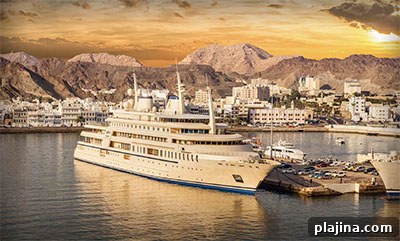
Port of Muscat © WAUPEE – DREAMSTIME.COM
To strengthen the workforce and reduce reliance on foreign labor, Oman launched an Omanization initiative in 1988. This program trains and recruits Omani nationals for the private sector and rewards companies that increase local employment toward goals such as the 72 percent target. Earlier five-year development plans, begun in 1976, established the petroleum industry, built the Mina Qaboos shipping port and created ministries for social services, health, education and tourism. These efforts raised living standards across the country.
Trade remains a dominant force in Muscat’s economy. Oil and gas now complement traditional exports like dates, fish and mother-of-pearl. Muscat hosts major conglomerates and trading houses, including CK Industries, Suhail Bahwan Group and Saud Bahwan Group, which partner with international brands across sectors from automotive to electronics. Petroleum Development Oman, a joint venture including the government and multinational firms, reported significant oil, gas and condensate output in recent years and is expanding into renewable energy and water management. The Muscat Securities Market, established in 1988, functions with clear disclosure rules, while private hospitals, clinics and universities contribute to a robust services sector.
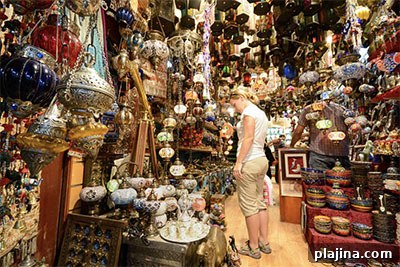
Arabian lamps for sale at a souk © LUKASZ KASPEREK – DREAMSTIME.COM
Oman offers several attractions for investors: an educated bilingual labor force, reliable healthcare and schools for families, modern infrastructure with access to global markets, and a stable, secure investment climate. The economy depends on imports for many goods, and the government encourages entrepreneurs and small businesses. Promising sectors include agriculture, logistics and haulage, tourism, retail, electronics and food services.
Sultan Qaboos’s leadership played a central role in modernizing Oman. Educated in India and at Sandhurst in England, he ruled as the country’s longest-serving monarch in the Arab world. While authority has been concentrated in the sultan, governance relied heavily on professional advisors and business leaders. With the sultan aging and no widely known successor at the time, observers have considered how future transitions might affect the distribution of power.
Following the Arab Spring, peaceful protests raised concerns about jobs, wages and government appointments. The government responded with reforms, and Muscat continues a steady, deliberate integration into the global economy.
CHECKING IN WITH HAURA AL-WAHAIBI
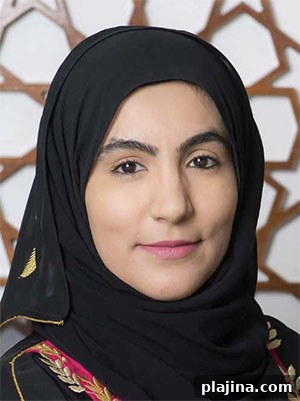
Haura Al-Wahaibi © HAURA AL-WAHAIBI
Oman Commercial Attaché, Washington, D.C.
Embassy of the Sultanate of Oman in the United States
Living in America, what do you miss about Muscat?
I miss family gatherings on national and religious holidays, weekend picnics and trips to different places. I miss the weather — warm and sunny much of the year — and, most of all, the people.
How has the country changed during your lifetime?
When I was young, education opportunities for women were limited and the city had strict curfews; simple things like obtaining eyeglasses required government authorization. His Majesty’s modernization of education and healthcare transformed everyday life for Omanis.
Why is Muscat a good place to do business, and what are compelling opportunities?
The government actively supports foreign direct investment with incentives such as tax exemptions and full ownership for some foreign companies. Investments in ports, airports and economic zones, including the large Duqm zone south of Muscat, make Oman a logistics hub for distribution across the Middle East, India and Africa. Trade, storage and shipping infrastructure create opportunities for import-export businesses and regional distribution.
What tourism is encouraged, and is the country safe to visit?
Oman promotes cultural and nature-based tourism. Visitors can explore wilderness parks, mountains and coastal resorts that combine sea and scenery in ways uncommon in the region. Oman ranks among the safest countries to visit; its people and leaders emphasize peaceful relations with neighbors.
Is there concern about leadership after Sultan Qaboos?
The government describes the nation as stable and consensus-driven, operating within a single system rather than through party competition. Authorities have focused on preserving continuity and stability.
Things to Do in Muscat
Muscat offers diverse experiences in history, beaches and cultural life. Charter boats for fishing and diving, stroll the corniche lined with date palms from the fish market to the bazaar, and visit the restored old city with its adobe houses and flowery avenues around the sultan’s palace. Museums showcase culture and folklore, while Portuguese forts and other historic sites reflect the city’s maritime past. Note that many offices observe a midday break and shops often close for lunch before reopening later in the afternoon.
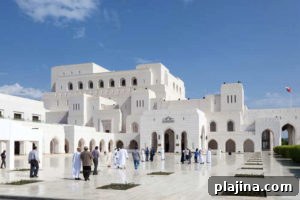
The Royal Opera House Muscat © TYPHOONSKI – DREAMSTIME.COM
After dark, areas north of Seeb come alive with seafood restaurants and lively shops selling traditional garments and accessories. The Royal Opera House showcases a wide range of performances — from opera and ballet to contemporary music and classical concerts — and is itself an architectural and cultural landmark surrounded by landscaped gardens.
Muscat Info to Go
Muscat International Airport, located about 20 miles south of the old city near Sultan Qaboos Highway in Seeb, is the nation’s principal airport and the main hub for Oman Air and Salam Air. A new passenger terminal opened in 2018, increasing capacity and facilities; public buses and hotel shuttles serve the airport, while metered taxis provide direct transport to the city.
Muscat: Just the Facts
Time zone: GMT +4
Phone code: Country code: 968 City code: 24
Currency: Omani rial
Key industries: Oil, manufacturing, transportation, tourism, fisheries, agriculture, mining
COMING AND GOING
U.S. citizens need a passport valid for six months and a visa. Short-stay visas can be obtained online without a local sponsor and must be used within a month of approval; a fee applies.
OFFICIAL LANGUAGE
Arabic is the official language, and many residents speak English. Hindi and Urdu are also widely spoken among expatriate communities.
Where to Stay in Muscat
AL BUSTAN PALACE, A RITZ-CARLTON HOTEL One of Muscat’s most celebrated resorts, this luxurious property on Qurum Beach reflects classic urban resort design. Al Bustan Street, Qurum Beach $$$$$
GRAND MILLENNIUM MUSCAT A centrally located 5-star hotel in the business and diplomatic district, offering spa facilities and panoramic meeting rooms. Dohat al Adab Street, Al Khuwair $$$
KEMPINSKI HOTEL MUSCAT A luxury beach resort combining Arab and contemporary décor with spa services, tennis and watersports on an extensive coastline. 335 Street 6, Al Mouj $$$$
Restaurants in Muscat
AL ANGHAM Located in the Royal Opera House complex, this restaurant celebrates Omani culture through its décor and cuisine. Royal Opera House, Sati Al-Qurm $$$$
BAIT AL LUBAN With views of the old port, this restaurant serves traditional Omani dishes influenced by historical trade routes to East Africa and India. Al Mina Street, Muttrah Corniche $$$$
KURKUM A cozy Indian restaurant on the Muttrah Corniche offering biryani, prawn curry and other regional favorites. Way No. 08, Muttrah Corniche $$$