
The architectural character of Santa Barbara is distinctive and largely unique. Influential architects such as George Washington Smith and Lutah Marie Riggs helped shape the city’s look, but the best way to understand Santa Barbara’s architecture is to see it in person.
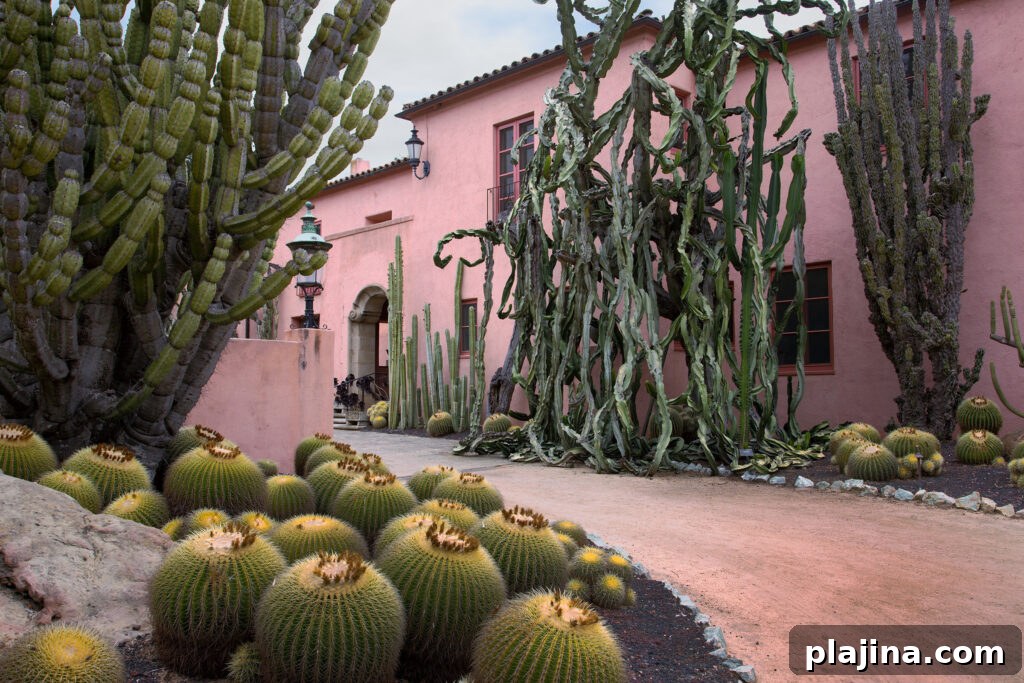
Lotusland © Visit Santa Barbara
Below are some of the top places to explore Santa Barbara’s architectural history and enduring style:
Red Tile Walking Tour
The Red Tile Walking Tour highlights the city’s signature white stucco walls and red clay roofs across 17 stops that include 22 historic adobes. Notable sites on the route include the Santa Barbara County Courthouse, Santa Barbara Public Library, Santa Barbara Museum of Art, Hill‑Carrillo Adobe and Presidio Avenue. This walk gives a compact, well-curated introduction to the city’s Spanish Colonial Revival aesthetic.
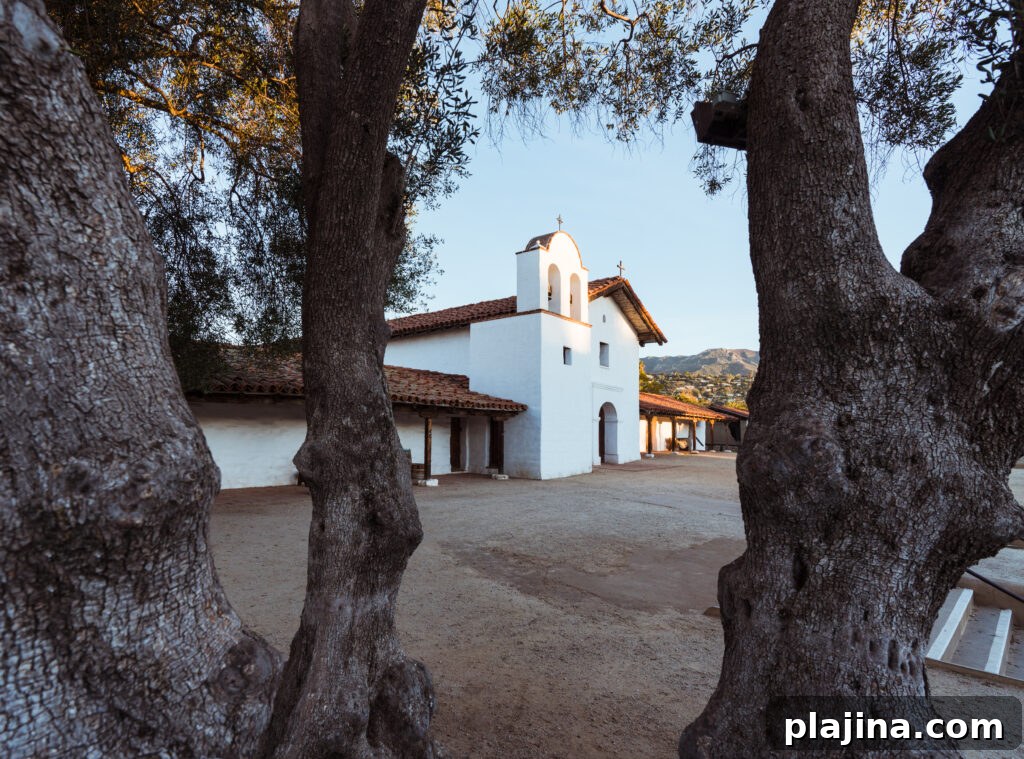
El Presidio © Visit Santa Barbara
The Old Mission and El Presidio
The Old Mission, often called the Queen of the Missions, dates from 1786 and remains one of the region’s most preserved Spanish‑era landmarks. Nearby El Presidio, built in 1782 as a military installation, includes El Cuartel—among California’s oldest surviving buildings. Both sites offer clear examples of early Spanish architecture and the origins of the area’s built environment.
© Visit Santa Barbara
Lobero Theatre
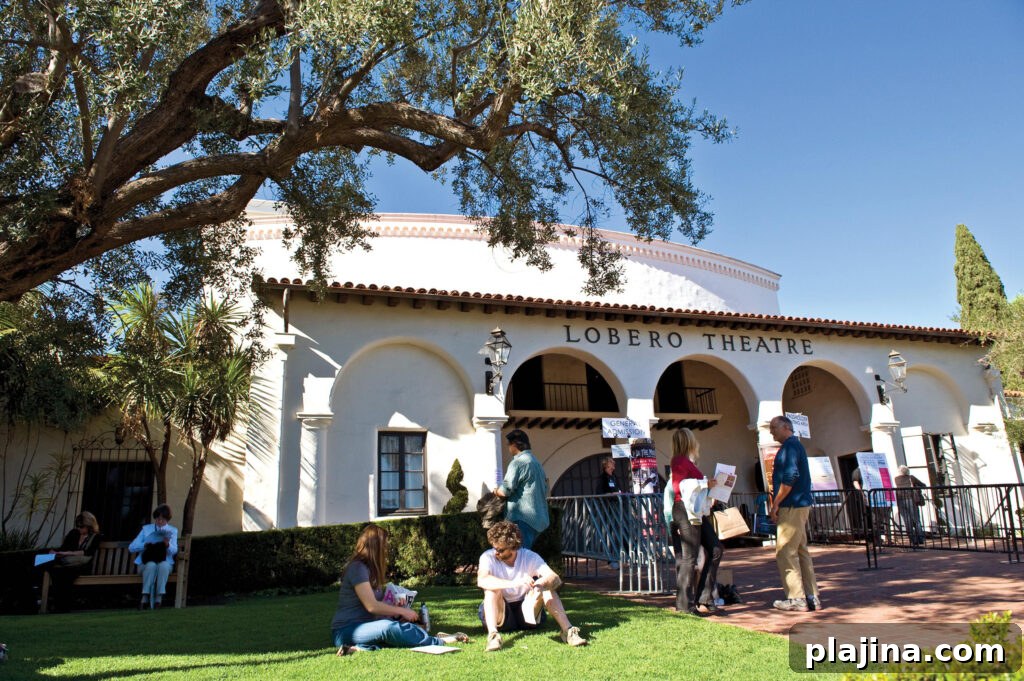
The Lobero Theatre is California’s oldest continuously operating theater, presenting performances for more than 150 years. Its recent renovation drew on the original 1922 plans by George Washington Smith and Lutah Maria Riggs, preserving historical details while updating the venue for modern use.
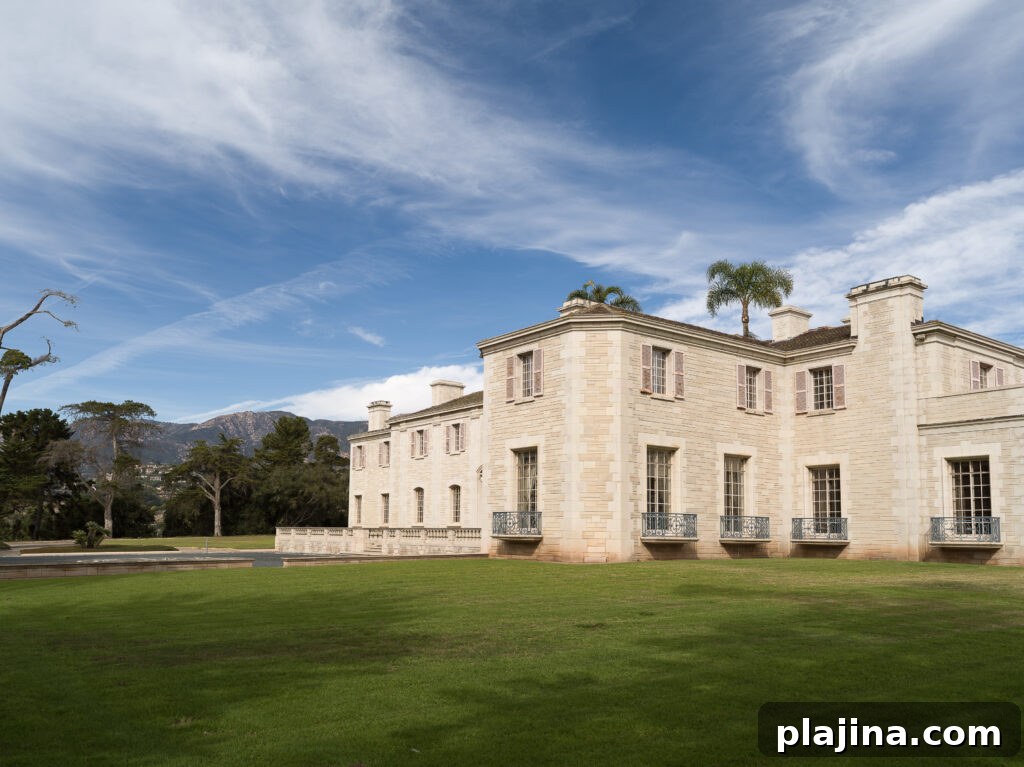
Bellosguardo © Visit Santa Barbara
Historic Homes and Gardens
Bellosguardo is a grand Italianate villa completed in 1902 that now offers limited docent‑led tours of its impressive grounds. In neighboring Montecito, Lotusland spans 37 acres of dramatic, carefully designed gardens featuring topiary, a parterre and orchards. Montecito also hosts Casa del Herrero, a 1925 Spanish Colonial residence set within Moorish‑inspired gardens and eleven acres of landscape; guided tours showcase its architecture and collections.
Looking to the Future
While Spanish Colonial Revival remains the city’s defining aesthetic, contemporary architects continue to contribute thoughtful, site‑sensitive designs. Architect Jeff Shelton, for instance, works within local guidelines to create eclectic, modern structures that stand out for their creativity while respecting Santa Barbara’s overall character. A self‑guided tour reveals examples such as Ablitt Tower, Shelton’s whimsical building, and the Cota Street Studios live‑work spaces.
Santa Barbara’s architecture blends historic preservation with selective contemporary expression—making the city a rewarding place for anyone interested in design, history and the built environment.