
It’s no longer accurate to describe cruise ship food as bland or uninspired. Modern cruise dining often rivals top land-based restaurants, featuring menus developed by Michelin-starred chefs, premium ingredients and beautifully designed dining spaces. Beyond traditional main dining rooms, ships now offer a wide variety of specialty restaurants showcasing perfectly executed European and North American classics as well as flavors from around the world. The culinary draw is strong: luxury travel advisors report that after Europe—specifically Italy and France—ocean and river cruises rank among the top dining destinations for travelers, reflecting how cruise lines have made food and beverage a central part of the onboard experience.
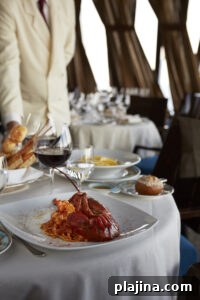
PHOTO: © OCEANIA
Oceania Cruises, for example, has introduced several new dining experiences, including a two-hour Cellar Wine Luncheon led by the ship’s head sommelier. In addition to its acclaimed Dom Pérignon Experience—a six-course menu featuring multiple vintages—Oceania now offers a Moët & Chandon Experience that pairs signature champagnes with dishes such as duck foie gras terrine and cured beef tenderloin. Both events demonstrate how partnerships with prestigious wine brands and publications have elevated cruise wine programs.
Princess Cruises expanded its culinary lineup with 360: An Extraordinary Experience, a multi-sensory seven-course dinner that blends storytelling, visuals, music and aroma with cuisine inspired by Italy and France. The line also offers exclusive, intimate wine events like the Caymus Winemaker’s Dinner, limited to a small number of guests for a focused dining experience. Responding to growing demand for plant-based options, Princess has rolled out expansive vegan menus featuring dishes such as pasta with walnut sauce and stir-fried portobello mushrooms with maple and soy.
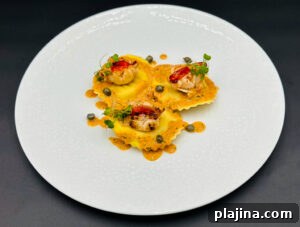
© SEABOURN
Seabourn’s research indicated guests are looking for fresh, healthy dishes and Mediterranean flavors, which led to the creation of Solis. That restaurant celebrates regional ingredients, wines and culinary traditions, with menu items such as a roasted garlic and green olive tomato tart and a Greek salad brightened by barrel-aged feta and mint. Master Chef Tony Egger highlights the menu’s lobster ravioli—roasted lobster finished with a lobster emulsion—illustrating how luxury ingredients can be combined with comforting preparations.
Celebrity Cruises has focused on sustainability and ethically sourced products, with a strong interest from passengers in plant-forward dining. Eden, a multifunctional venue on Celebrity ships that blends dining, entertainment and mixology, features a seven-course plant-based menu alongside dishes that still appeal to omnivores. Offerings range from beet and tomato ceviche and roasted celeriac steak to a Masala curry accented with dried rose petals, while richer choices include lobster casserole studded with bacon and corn and herb-crusted roasted lamb loin.
Authenticity and provenance are priorities for many cruise chefs. For Regent Seven Seas Cruises’ Chartreuse menu development, Steph Armengol and executive chefs traveled to her hometown of Port-la-Nouvelle, France, to gather inspiration and source ideas. That research informed dishes such as halibut Viennois with fennel, porcini mushrooms and veal jus, and a soupe de poissons finished with mussels and a dollop of aioli—examples of the attention to regional technique and ingredient quality now common at sea.
WINE AND SPIRITS
Fine dining aboard cruise ships extends well beyond food to include creative cocktails, premium spirits and extensive wine collections. Several cruise lines have been recognized for their wine programs with awards, reflecting wine lists that span global regions and often include bottles from destinations visited on the itinerary. These comprehensive cellars and knowledgeable sommeliers give guests the chance to explore new labels and deepen their appreciation for wine pairings.
Princess Cruises emphasizes its global wine selection and the educational role of its sommeliers, allowing guests to discover wines from around the world and often from the very ports they visit. Other lines have similarly invested in curated wine lists and specialty events to enhance the overall dining experience.