
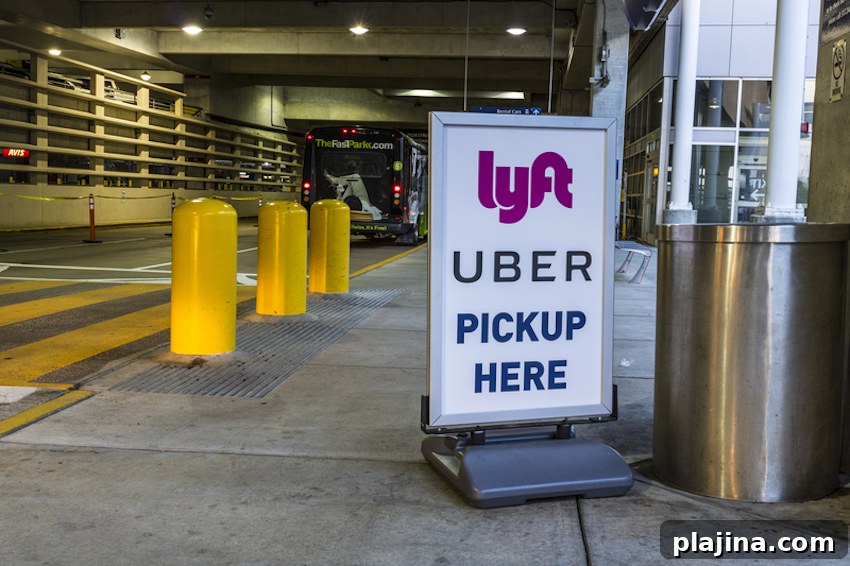
When rideshare apps like Uber and Lyft first rose to prominence, they quickly changed how people move around cities. Instead of searching for a taxi or waiting at a corner, riders can now summon a car with a few taps on a smartphone. Over time each company has developed its own strengths, coverage areas, pricing methods and service options, making the decision between them largely a matter of location and personal preference.
Coverage and availability
One major difference is geographic reach. Lyft operates primarily in the United States and parts of Canada (notably Ontario). Uber has a far wider footprint, serving hundreds of cities across dozens of countries. That means in many international markets Uber may be the only mainstream rideshare option, while in much of the U.S. both services are readily available.
Booking options and flexibility
Both platforms offer on-demand, 24/7 service and allow scheduled rides. Lyft users can schedule a ride up to one week in advance, which is useful for planned trips like airport transfers. Uber supports advance reservations up to 30 days ahead, which can be helpful for longer-term planning. The ability to book in advance reduces uncertainty for important trips and gives riders time to compare options or fares.
Service types and vehicle choices
Each company provides a range of ride types to meet different needs and budgets. The most common offerings include a standard four-person option (often called UberX or the original Lyft), larger vehicles for groups, and premium or luxury options. Both services also provide shared or carpool-type rides in many markets, which can reduce cost by matching passengers headed in the same direction. Availability of specific ride categories varies by city and may change over time as each company adapts to local demand.
Pricing and fare structure
Pricing models for the two apps share basic principles but differ in detail. Uber typically calculates fares using a combination of a base fare for the vehicle type plus charges for distance and time. Lyft’s price formula generally includes a base charge, a service fee, distance traveled, time spent in the vehicle, and may factor in the operating city. Both services use dynamic pricing (often called surge pricing) during periods of high demand, which increases fares temporarily. Riders can often see estimated fares in the app before booking and compare different service tiers to find a better price.
Smaller alternatives and niche apps
Beyond the major platforms there are smaller rideshare companies that focus on specific markets or user experiences. For example, GETT originated in Israel and operates in select cities; Wingz, based in the U.S., emphasizes a curated experience with prearranged rides to and from airports; Curb partners with local taxi fleets and in some cases offers scheduled rides without surge pricing. These alternatives can be useful when they are available locally, or when they provide features that better match a rider’s needs.
Choosing the right app
Deciding which app to use usually comes down to convenience, price and availability. If both apps operate in your city, you may prefer one because of fare differences, loyalty programs, driver ratings or app features like scheduled pickups or in-app support. If you travel internationally, Uber’s broader presence may make it the more practical choice. Ultimately, it helps to check both apps when planning a trip: compare estimated fares, look at vehicle options and confirm whether scheduled pickup windows meet your needs.
Ridesharing has simplified urban travel by putting control in the rider’s hands. Whether you choose Uber, Lyft or a smaller provider, the best option is the one that offers the right balance of price, convenience and reliability for your specific journey.