
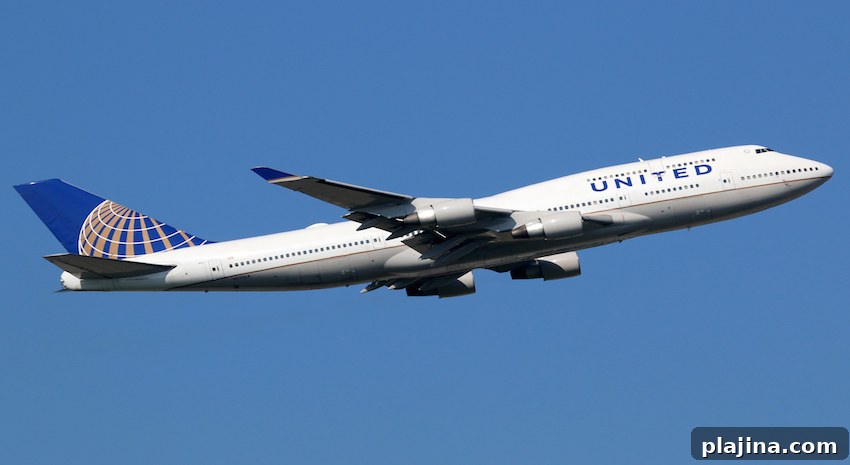
The United Airlines public relations saga continued after a passenger says she boarded a flight heading 3,000 miles in the wrong direction.
Lucie Bahetoukilae, a French-speaking traveler, arrived at Newark Liberty International Airport (EWR) for a planned flight to Paris-Charles de Gaulle (CDG). According to her account, a gate change was announced in English— a language she does not speak— and she followed airport staff to the new gate.
At the gate, Bahetoukilae presented her ticket to United Airlines agents. Staff stamped the ticket and allowed her to board without confirming the printed destination. Once on board, a seat assignment issue required flight attendants to move her to another seat, again without realizing the aircraft’s destination. Instead of being seated on a Newark-to-Paris flight, she was placed on an airplane bound for San Francisco (SFO).
After the plane landed in San Francisco, Bahetoukilae worked with airline personnel to correct the error. She ultimately waited about 11 hours in San Francisco before United put her on a flight to France, turning the travel day into a roughly 28-hour ordeal.
United Airlines refunded the price of her original ticket and issued a voucher for travel back to Newark. The carrier also issued an apology for the way the situation was handled and said it is reviewing procedures to reduce the risk of similar incidents in the future. A company spokesperson described the episode as a significant failure, and the matter was resolved through a confidential lawsuit.
This incident raises several customer service and safety questions for airlines operating multilingual airports. Gate announcements, boarding procedures and ticket verification processes are critical checkpoints for ensuring passengers board the intended flights. When one or more of those checkpoints fail—particularly at busy international hubs—travelers can be left stranded, confused or delayed for hours.
For travelers, the episode underscores the importance of checking gate displays, flight numbers and boarding passes before and during the boarding process, and asking staff to confirm destinations when language barriers exist. For airlines, it highlights the value of clear multilingual communication, consistent verification of passenger tickets at each checkpoint, and training that empowers staff to pause boarding if any discrepancy appears.
United has said it is taking steps to prevent similar errors and improve communication at gates. Passengers affected by such mistakes should document the events, keep all boarding passes and receipts, and contact the airline promptly to seek refunds, rebooking or compensation as appropriate.