
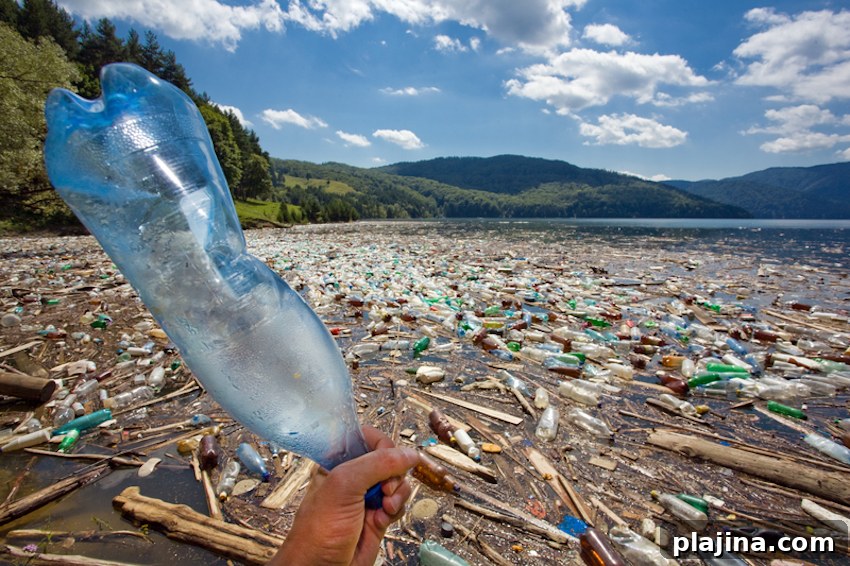
As global debate intensifies over eliminating single-use plastics such as drinking straws, one Portuguese carrier aims to lead by example and become the first airline to remove these disposables entirely.
HiFly recently completed its first flight without single-use plastic items, removing straws, plastic cutlery and other disposable plastic products from that service. The carrier set a target to phase out all single-use disposable plastics across its operations in 2019.
For the inaugural plastics-free flight, traditional knives, forks and spoons were replaced with utensils made from biodegradable bamboo. The service on the Lisbon (LIS) to Natal (NAT), Brazil route used compostable containers and non-plastic cups and cocktail stirrers, demonstrating how inflight service can reduce plastic waste without compromising passenger experience.
HiFly plans to run two additional test flights under the same guidelines before implementing a company-wide ban on single-use plastics. These trials will help the airline refine sourcing, storage and operational procedures so the change can be rolled out smoothly across its network.
Several other carriers have taken steps to reduce plastic waste, with airlines such as Alaska Airlines, Delta Air Lines and Air New Zealand introducing initiatives to cut disposable plastics from onboard service. However, to date no major airline has fully eliminated single-use plastics from all aspects of cabin service, making HiFly’s experiments a noteworthy attempt to push the industry further toward sustainable inflight practices.
Replacing single-use plastics presents logistical and supply-chain challenges: alternatives must meet safety standards, be practical for limited storage and disposal onboard, and remain cost-effective. Compostable and biodegradable materials such as bamboo, paper-based products and plant-derived polymers are increasingly viable, but airlines must ensure that these alternatives can be handled responsibly at destination airports and in passenger waste streams.
Beyond choosing different materials, successful transition plans typically include crew training on proper handling and disposal, revised galley procedures, and clear communication with passengers about the environmental benefits and any changes to service. Pilot programs like HiFly’s allow carriers to identify operational issues, gather passenger feedback and adjust before committing to a full policy change.
Industry-wide elimination of single-use plastics would reduce a significant source of waste generated by air travel, but it requires coordinated effort across airlines, catering firms, airports and waste-management services. As carriers experiment with alternatives and share best practices, the aviation sector can move toward more sustainable cabin service while maintaining safety and passenger comfort.
HiFly’s plastics-free flights are part of a broader trend toward sustainability in aviation, demonstrating that practical steps can be taken now to reduce environmental impact. If its trials lead to a full rollout, the airline could set a precedent that encourages other operators to accelerate similar changes.