
The city of Cuenca, located in the Castile-La Mancha region of Spain, was named the 2023 Gastronomic Capital of Spain, beating finalists Oviedo and Pontevedra. After two previous unsuccessful bids in 2017 and 2018, Cuenca has now been recognized for its strong culinary identity that blends long-standing traditions with contemporary regional creativity.
To mark the distinction, the city launched the Cuenca Deliciosa (Delicious Cuenca) initiative, a calendar of events and activities designed to highlight local food culture and welcome visitors throughout 2023. Cuenca’s gastronomy celebrates iconic dishes such as morteruelo, mango gazpacho and the renowned Manchego cheese, offering a varied culinary experience for residents and tourists alike.
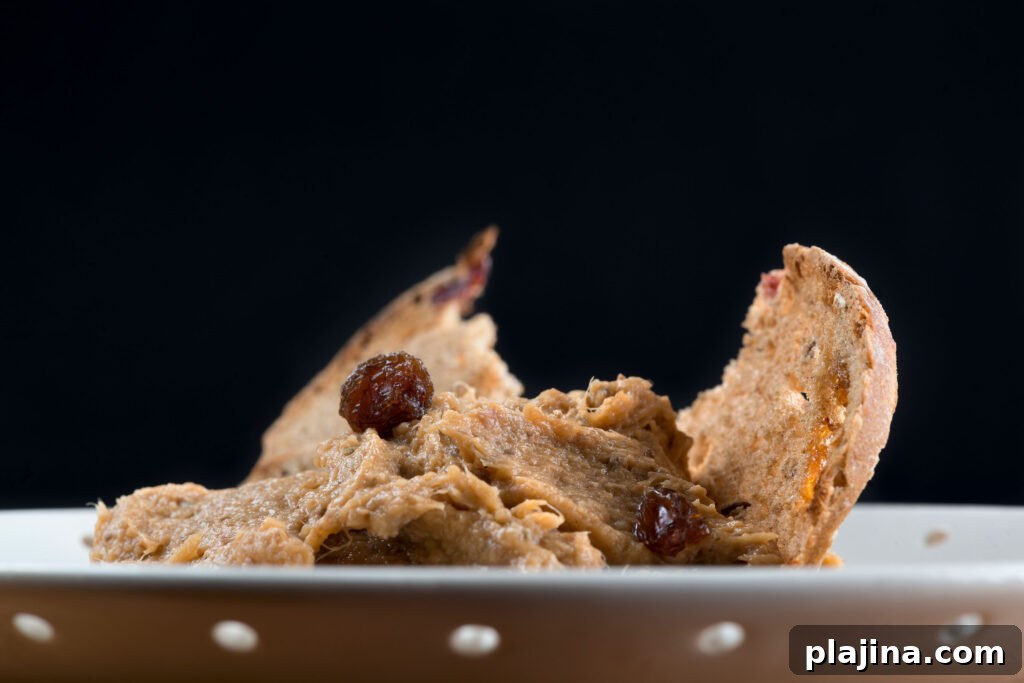
Morteruelo © Turismo de Castilla La Mancha by David Blázquez
Morteruelo is a traditional pâté that originates in Cuenca. Variations exist, but its essential ingredients include pork liver, a blend of spices and, often, game meats such as quail, partridge or hare. The pork liver is cooked and ground in a mortar, then combined in a pan with spices, other meats, breadcrumbs and either broth or milk to create a rich, savory paste.
In local tapas bars, morteruelo is typically served hot in a small clay pot accompanied by homemade bread, and it pairs well with a robust red wine. The dish is so central to local identity that the village of Villar del Humo, within the province of Cuenca, hosts an annual competition for the best morteruelo, traditionally held in the second week of August.
Alajú is a classic dessert popular across Castilla-La Mancha and particularly associated with the province of Cuenca. The treat consists of a filling made from almonds, spices, boiled honey and toasted breadcrumbs pressed between two thin wafers. These small cakes, about the thickness of a finger, owe their name to the Arabic term al-hasú, meaning “the filling.”
© Turismo de Castilla La Mancha by David Blázquez
Another distinctive local specialty is zarajos, made from the marinated intestines of suckling lambs. The intestines are seasoned—commonly with olive oil, garlic, parsley and salt—then wrapped around vine shoots that serve as skewers. These bundles are fried, roasted or grilled until crisp and usually served as a tapa, finished with a sprinkle of salt and a squeeze of lemon. While particularly emblematic of Cuenca, zarajos are enjoyed throughout Castile-La Mancha.
Cuenca’s historic walled town is a UNESCO World Heritage site, known for its dramatic medieval setting and well-preserved architecture. Throughout 2023, fairs and culinary events in the city supported local causes, with portions of proceeds donated to charitable organizations in the area.
© Turismo de Castilla La Mancha by David Blázquez
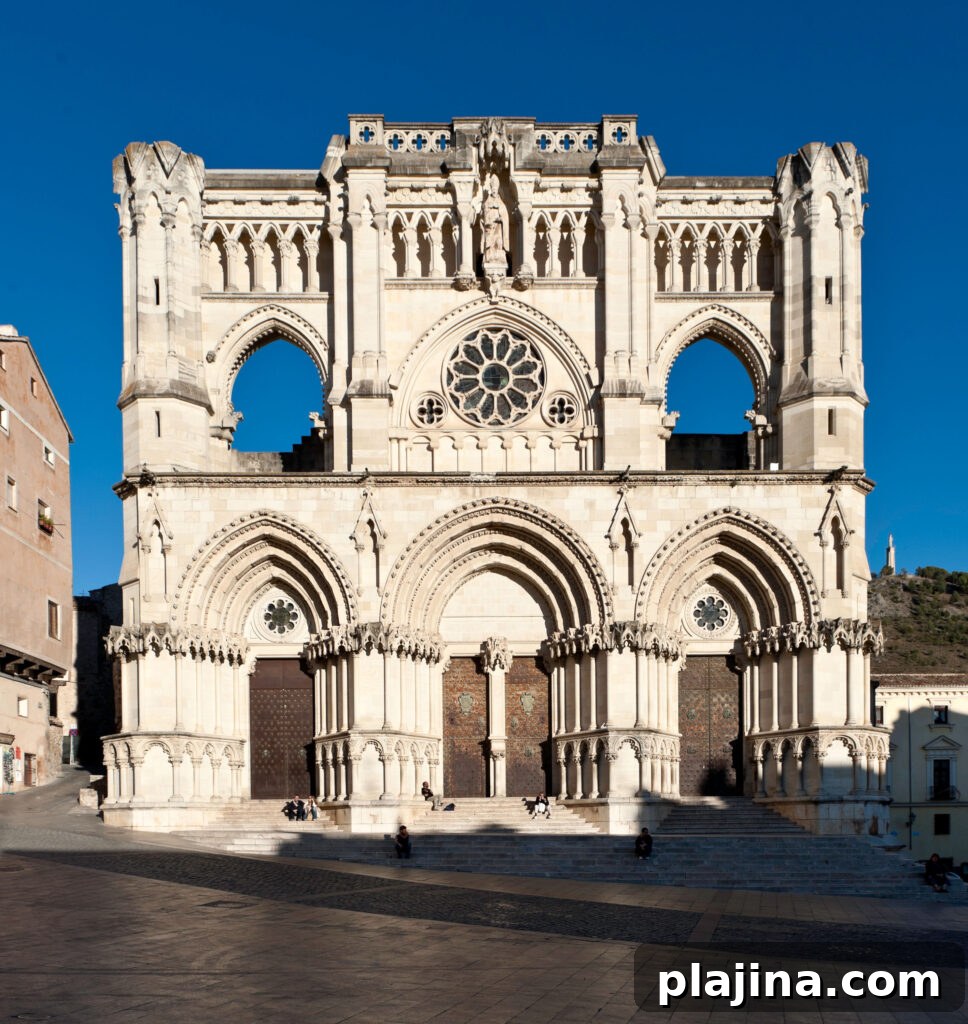
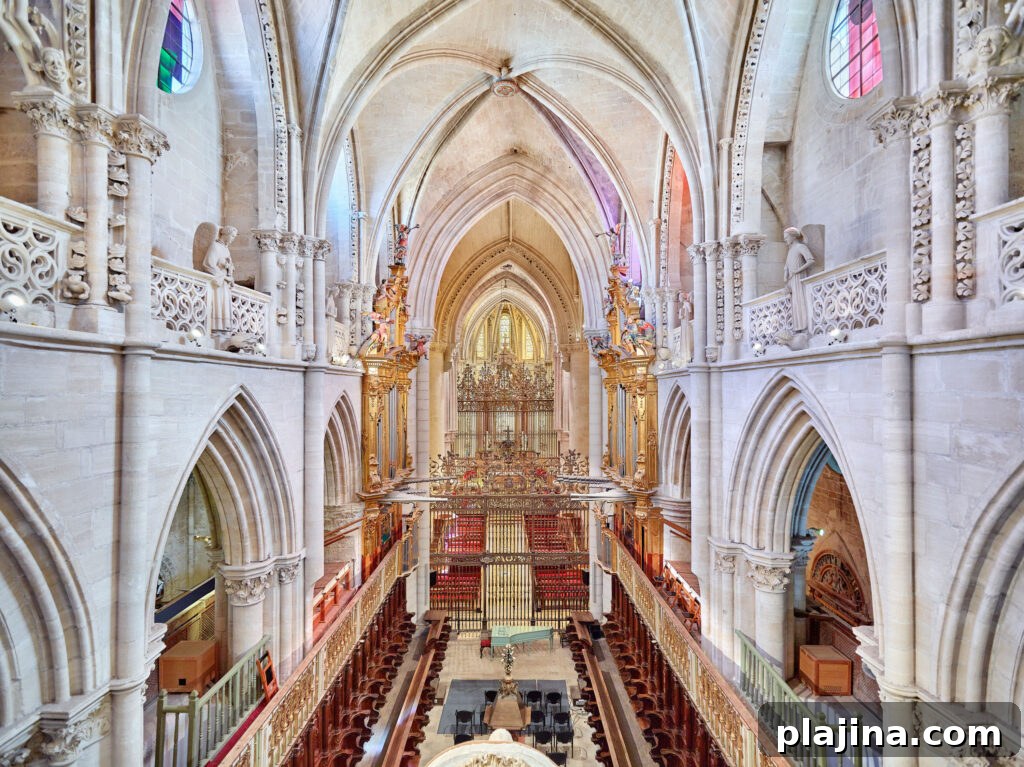
Originally founded as a Moorish defensive settlement within the Caliphate of Córdoba, Cuenca later passed to the Castilians in the 12th century and developed as a royal and ecclesiastical center. Notable landmarks include one of Spain’s earliest Gothic cathedrals, whose construction began in 1196, and the famous Casas Colgadas (hanging houses) that cling to the cliffs above the Huécar River. A few of these hanging houses remain today, offering a striking reminder of the city’s medieval heritage.