
Dream•catch•er n. 1. A circular framed net decorated with feathers and beads, believed to catch good dreams.
It is also the name of the signature treatment at the Arizona Biltmore Spa, which I experienced during a recent stay at the historic property in Phoenix, Arizona. The 80-minute Dream Catcher Aromatherapy Massage draws inspiration from Native American traditions and uses essential oils and warm stones applied to key energy points along the spine to promote relaxation and balance.
“We have a lot of Native American culture here in Arizona,” said Sandra Jolley, a longtime massage therapist at the Arizona Biltmore Spa. “Our signature treatment honors those roots, while evolving into a more relaxing and flowing experience.”
Energy centers, often referred to as chakras, are considered portals where life energy, or chi, circulates through the body. While descriptions vary across cultures and time, most systems identify seven primary chakras. Practitioners believe that blockages or imbalances in these centers can contribute to physical discomfort and emotional strain.
The seven primary chakras extend from the base of the spine to the crown of the head: the root, sacral, solar plexus, heart, throat, third-eye (brow) and crown chakras. Each is traditionally linked with a color—red, orange, yellow, green, blue, indigo and violet respectively—and with different aspects of physical and emotional wellbeing.
At the Arizona Biltmore Spa, the Dream Catcher Aromatherapy Massage focuses on opening and harmonizing these centers by applying essential oils and warmed stones along the spine in a deliberate sequence.
“We begin with cedarwood at the root to promote stability,” Jolley explained as she described the root-to-crown progression. “Patchouli follows for grounding and self-worth. Lemon at the solar plexus supports personal power and confidence; it’s very cleansing.”
“Lavender is used at the heart to encourage unity and love, while neroli is applied to the throat area to support clear communication,” she continued. “Bergamot at the third-eye fosters vision and imagination, and sage at the crown is intended to bring a sense of bliss, enlightenment and higher knowing.”
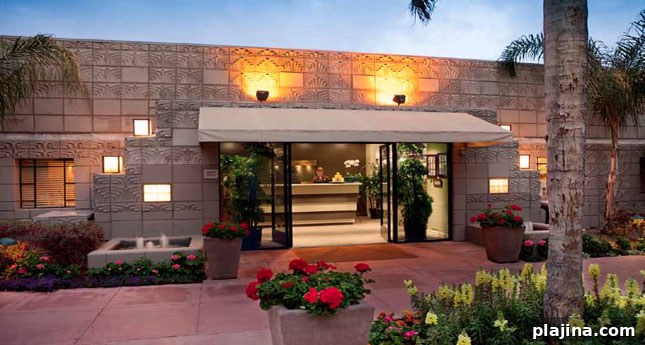
Designed by architect Albert Chase McArthur, a student of Frank Lloyd Wright, the Arizona Biltmore opened in February 1929. Over the years the property has seen multiple renovations and expansions, and it survived a near-destroying fire in 1973. Throughout its history the resort has been a favored hideaway for many Hollywood figures and notable guests.
The Arizona Biltmore Spa, a 20,000-square-foot facility opened in 1998, features 17 treatment rooms, a hydrotherapy tub, three spa pools, steam rooms and saunas. During my visit I stayed in Ocotillo at the Arizona Biltmore, a boutique “hotel within a hotel” introduced in 2009. Ocotillo guests benefit from a dedicated concierge and a private lounge with an outdoor patio and all-day food and beverage service.
The Arizona Biltmore
2400 E. Missouri Ave.
Phoenix, AZ 85016
tel 602 955 6600
arizonabiltmore.com