
Choosing the best cruise isn’t just about brand loyalty or the destination — the single most important factor is the ship’s size. Size influences nearly every part of the experience: which ports and smaller villages the vessel can access, the variety and scale of onboard activities, and even the typical age range and interests of fellow passengers. Understanding ship size helps match your travel style to the right cruise environment.
While a cruise line’s overall personality matters, start by deciding which ship size suits you. Think of it like Goldilocks: some ships may feel too big, others too small, but none are inherently wrong — just a better or worse fit for your preferences. There’s a cruise for every traveler, including people who haven’t cruised before. The key is identifying the experiences you want so you can choose between small, medium, large, or extra-large ships.
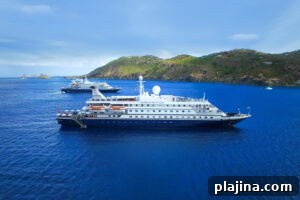
PHOTO: © SEADREAM YACHT CLUB
SMALL SHIPS
Small ships typically carry from a handful of passengers up to about 500 and often attract guests aged roughly 55–75 who seek curated, immersive experiences. These vessels include river barges, classic yachts and intimate expedition ships that can reach ports larger ships cannot. Onboard service tends to be highly personal — staff often learn guests’ names — and the atmosphere is quieter and more relaxed. Dining is usually limited to one or a few restaurants, and entertainment leans toward low-key options like live piano, lectures, and well-stocked lounges or libraries. Small-ship operators focus on luxury and cultural depth, offering shore excursions and onboard programming tailored to enrichment and connection.
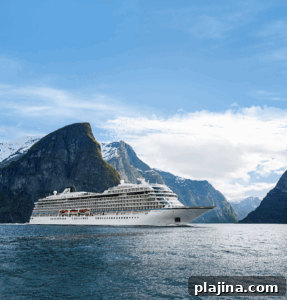
PHOTO: © VIKING OCEAN CRUISES
MEDIUM SHIPS
Medium-sized ships usually carry between 501 and 2,000 passengers and often appeal to travelers in their 50s to 70s, though many lines now offer themed or family-friendly sailings that attract younger guests too. These vessels strike a balance between the intimacy of smaller ships and the amenities of larger ones, providing premium services, specialty dining, and cultural programming. Because mid-sized ships can access many ports while offering longer itineraries, they are well suited to cultural immersions and destination-focused travel. Over the course of a multi-day cruise, passengers and crew often become familiar with one another, creating a friendly, personalized atmosphere.
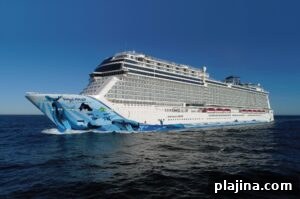
PHOTO: © NORWEGIAN CRUISE LINE
LARGE SHIPS
Large cruise ships carry roughly 2,001 to 4,000 passengers and are popular with families, couples, and multigenerational groups. They travel widely — from Alaska and Europe to the Caribbean and Asia — and tend to be very activity- and entertainment-focused. On these ships you’ll find multiple dining venues, nightly shows, pools, spas, and children’s programs, making them a strong choice for first-time cruisers and those seeking a resort-style vacation. Large ships offer plenty of options for both group activities and private relaxation; their size makes it easy to remain anonymous or to find community, depending on how you want to spend your time.
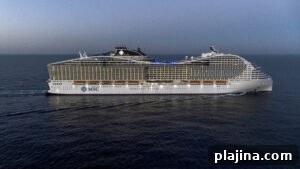
PHOTO: © MSC
EXTRA-LARGE SHIPS
Extra-large or “mega” ships generally carry more than 4,001 passengers and tend to attract an energetic crowd often aged 25–55. These floating cities offer an incredibly wide range of entertainment and recreational options — waterslides, surfing simulators, zip lines, bumper cars, shopping promenades, themed dining, and more — making them ideal for travelers who want nonstop activity. Because of the sheer number of things to do, it’s common to leave a sailing feeling like you only scratched the surface. To accommodate varied tastes, some operators have adopted a “ship-within-a-ship” model that creates exclusive enclaves for guests seeking a more private, upscale experience while still providing full access to the larger vessel’s amenities.