
Luxembourg is one of Europe’s smaller countries, and its capital, Luxembourg City, is compact with a population of around 136,000. Because it sits between France, Belgium and Germany, it is sometimes overlooked by travelers, but the city rewards visitors with a rich mix of history, culture and modern urban comforts.
Spread across 24 distinct quarters, Luxembourg City offers abundant parks, cultural attractions, varied dining, and an appealing combination of historical and contemporary architecture. Public transport is convenient—trains, trams and buses operate seamlessly—and the city is especially friendly to pedestrians and cyclists. A notable feature is the free Panoramic Elevator that connects the upper and lower parts of the city, giving scenic views over the valley.
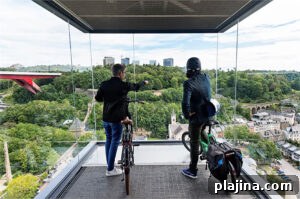
Panoramic Elevator in Pfaffenthal © Thomas Linkel / Visit Luxembourg
The Ville Haute quarter, Luxembourg’s Old Town, sits at the heart of the city and hosts the Grand Ducal Palace, Notre-Dame Cathedral and a number of engaging museums, including the Luxembourg City History Museum. Much of this district is part of a UNESCO World Heritage site, reflecting its historical significance. Nearby, Le Place d’Armes is an elegant boutique hotel with Art Deco interiors and a 24-hour reception, conveniently located for exploring the center.
Dining in Ville Haute is varied and refined. Brasserie du Cercle is a notable restaurant offering fresh fish, meat dishes and seasonal specialties. During winter months it transforms into a cozy Swiss-style chalet serving Alpine comfort foods such as tartiflette, cheese fondue and raclette—an atmospheric option on cold evenings. From Ville Haute, the Panoramic Elevator provides easy access down to the Pfaffenthal quarter, a charming neighborhood of shops and residences with scenic viewpoints that delight pedestrians and cyclists alike.
Plateau de Kirchberg is a more modern, upscale district characterized by Avenue John F. Kennedy, which is lined with banks, restaurants and shops. This quarter concentrates several of the city’s cultural institutions: LuxExpo The Box hosts conferences and events, the Philharmonie Luxembourg presents world-class performances, and nearby Mudam — the Contemporary Art Museum of Luxembourg — sits in a striking building designed by architect I.M. Pei and opened in 2006. These venues are well connected by tram or taxi, making Kirchberg easy to explore.
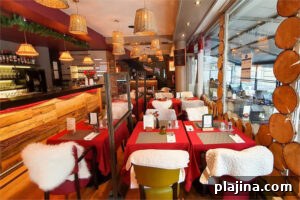
© Brasserie du Cercle
The Grund quarter is one of the city’s most atmospheric areas, with historic buildings dating back to the 14th century and properties once owned by affluent local families. A pleasant way to reach Grund is the Ascenseur Elevator Plateau St. Esprit, which lowers visitors from Plateau du Saint-Esprit into the valley. The descent reveals narrow streets, old stone architecture and peaceful riverside paths beside the Alzette.
Rives de Clausen, formerly an industrial brewery district, has been revitalized into a lively riverfront quarter in the Grund area. Known for its nightlife, it offers a waterfront promenade, terraces and a range of bars and restaurants. The area’s vibrant evening scene and scenic riverside views make it popular with both locals and visitors.
Gare is the city’s most populous quarter and takes its name from the central railway station, Gare Centrale de Luxembourg. The station is a major transport hub, linking Luxembourg City with destinations across Belgium, France, Germany and beyond, and it provides easy connections for day trips and regional travel.
Overall, Luxembourg City blends a compact, walkable layout with a multicultural population and diverse urban experiences. Whether you’re exploring UNESCO-listed streets, visiting world-class cultural venues, or enjoying panoramic views from the city’s elevators, Luxembourg offers a rich and accessible European destination that deserves more attention than its small size might suggest.