In San Antonio, Texas, historic buildings are rarely demolished. Instead, the city favors restoration and adaptive reuse, preserving architecture and stories for future generations. Former breweries, banks and factories have been thoughtfully converted into hotels, lofts, restaurants and public spaces, blending history with contemporary design and sustainable practice.
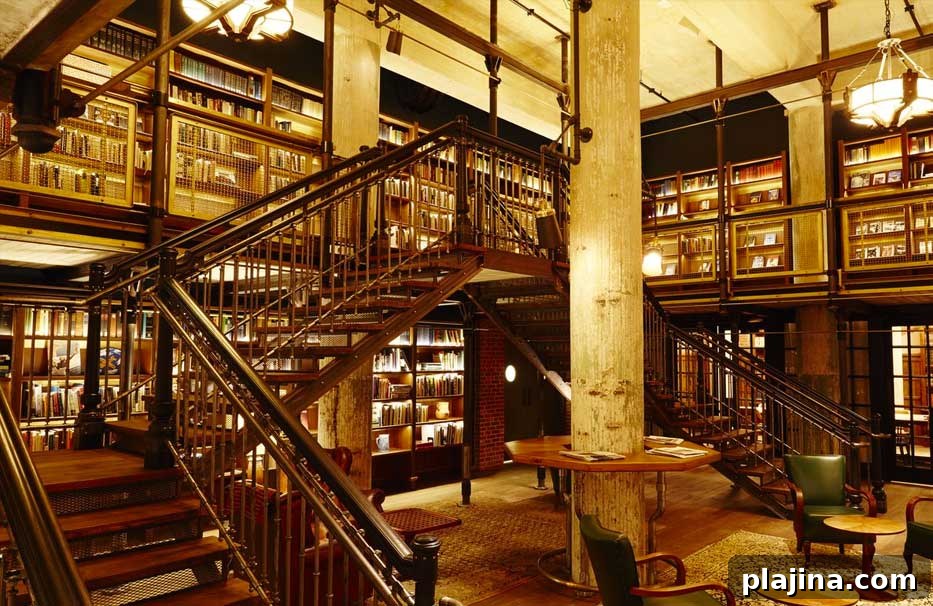
Hotel Emma © Visit San Antonio
A standout example is Hotel Emma, which occupies a portion of the 19th-century Pearl Brewery complex. The hotel retains industrial details and storytelling elements that honor its brewing past while offering modern amenities. Nearby, the Emily Morgan Hotel — part of the Alamo Plaza Historic District — reinterprets a former medical arts building and office complex within a National Register–listed landmark. Another notable conversion is the Drury Hotel, which inhabits a 1920s bank building and preserves the elegance of its original architecture.
Some sites have been transformed into public amenities. Hot Wells Resort, once a popular 19th-century thermal spa, fell into disrepair before the city converted the grounds into a park and green space. Adjacent to that area is Camp Hot Wells, a recent camp-inspired experience featuring private cabanas and a wine-and-charcuterie outpost that complements the restored historic setting.
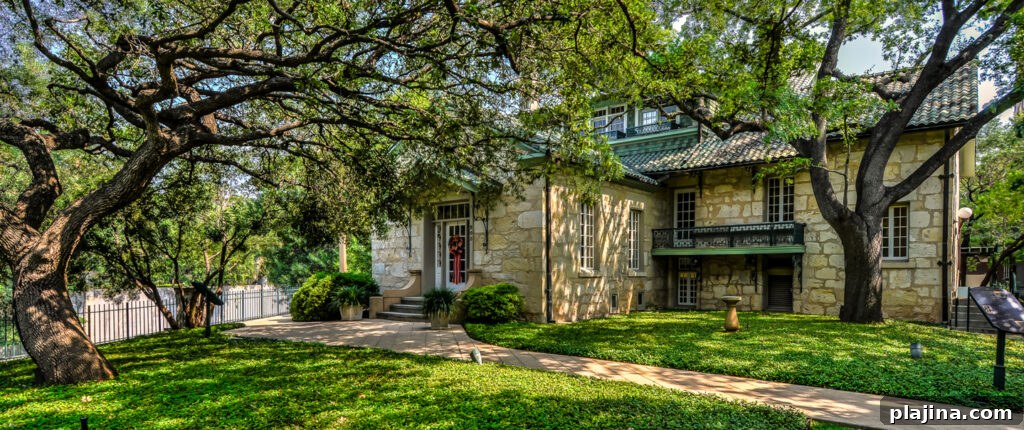
© Visit San Antonio
Restaurants and cafés across the city also inhabit repurposed buildings. Liberty Bar operates in a former nunnery, and the cafés and eateries at Hemisfair Park occupy structures from the 1968 World’s Fair that have been adapted for contemporary use. At the San Antonio Botanical Gardens, former horse stalls were restored and now house the award-winning Jardin restaurant. Guenther House, a historic 19th-century mansion associated with the Guenther family, serves classic American dishes and remains a beloved brunch spot for both locals and visitors.
Some cultural institutions have surprising pasts: the San Antonio Museum of Art is located in a building that once housed the Lone Star Beer Brewery — a reminder of how the city’s industrial heritage can be reshaped into centers for art and learning.
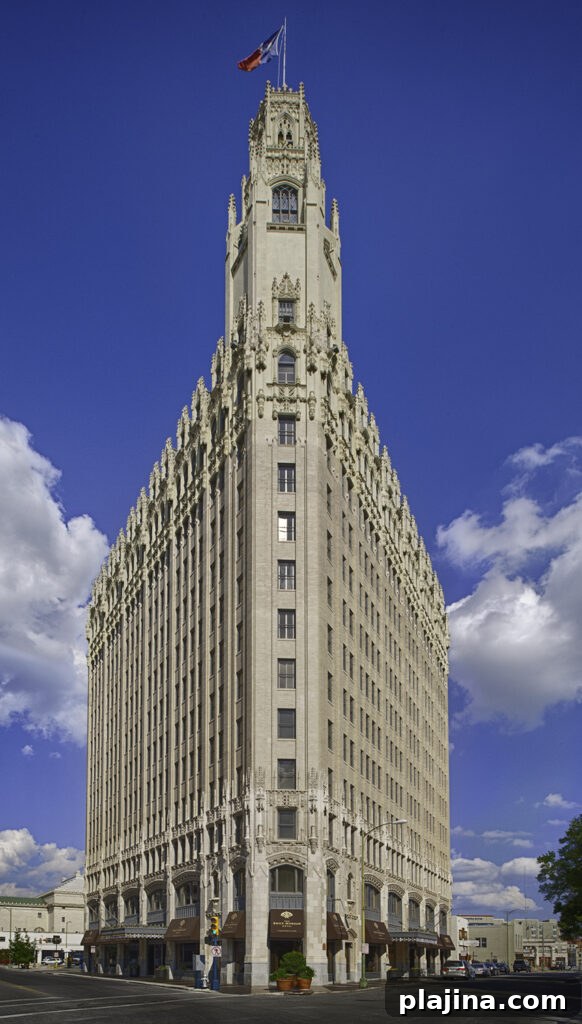
© The Emily Morgan Hotel
Ongoing archaeological work continues to reveal more layers of the city’s history. Excavations along San Pedro Creek in 2020 uncovered the foundation of one of the first Black churches established for freedmen in San Antonio. The site, which includes the remains of the St. James African Methodist Episcopal Church, is being evaluated for preservation and interpretation so its story can be shared as part of the city’s public history.
Together, these restorations and discoveries show how San Antonio values continuity between past and present. Adaptive reuse projects protect architectural character, support sustainable development, and create vibrant places where residents and visitors can connect with the city’s rich and evolving history.