
Alaska is part of the United States, but anyone who has explored its wild landscapes—by cruise, backpacking, climbing or fly fishing—knows it feels like another world. Gigantic mountains, glacier-strewn waterways and abundant wildlife create an environment that often seems larger than life, especially compared to the Lower 48. Many visitors see Alaska from a distance, watching the scenery from a ship’s deck, but the state offers countless opportunities for up-close, unforgettable experiences for those willing to venture further.
Planning an Alaska trip can be overwhelming because there are so many remarkable choices. If seeing brown bears in their natural habitat is high on your list, Alaska delivers. The dramatic footage of huge brown bears—sometimes approaching 800 pounds—grabbing salmon in rushing rivers is typically filmed here. You don’t need a TV crew to witness it: Katmai National Park on the Alaska Peninsula lets visitors observe these animals in one of the best places in the world to watch them.
Brooks Camp at Katmai has a boardwalk where photographers line up to capture the classic images of bears catching salmon at the falls. Nearby, anglers in waders sometimes try their luck downstream. Getting to Katmai itself is part of the adventure. From Anchorage we took a small prop plane to King Salmon, then a seaplane to Brooks Camp. Even as the plane landed on the beach, bears were visible along the shore. The mandatory orientation focused on safety—giving bears plenty of space, no food in cabins and staying alert. Accommodations are basic—16 simple cabins and a tent campground—and dining is unpretentious, but being immersed in such a rare ecosystem makes practical comforts secondary.
During three days at Brooks Camp we saw dozens of bears—playful cubs, solitary adults, animals swimming, wrestling and fishing. At one point a mother and three nearly grown offspring crossed the trail toward us; we stepped well off the path, took photos discreetly and let them pass. The experience was thrilling and unnerving at once, and it’s easy to understand why spots here book up far in advance.
Timing is crucial for an Alaska visit. Wildlife follows seasonal rhythms—whales migrate and bears hibernate—and daylight varies dramatically, from nearly 22 hours in Fairbanks on the summer solstice to around five hours in the depths of winter. Summer weather is generally mild, but insect activity can be intense: Alaska hosts about 35 mosquito species. Anchorage, the Kenai Peninsula and windy alpine areas see fewer bugs; mid-June to late July is peak mosquito season. Insect repellent and treated clothing are essential in many places.
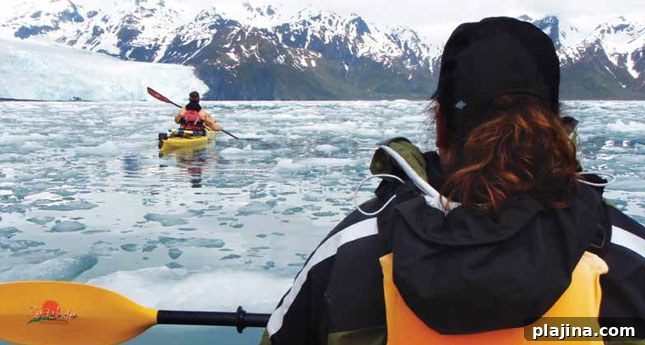
Juneau, in southeastern Alaska, is a gateway to adventures such as Glacier Bay National Park, a UNESCO World Heritage area celebrated for its geology and biodiversity. Most of Glacier Bay’s roughly 400,000 annual visitors arrive by cruise ship, which offers a comfortable way to view glaciers and marine life. For a more immersive encounter, small-group kayak and camping trips allow paddlers to explore among icebergs and sometimes paddle near feeding humpback whales. The National Park Service limits independent travel in the bay to protect the environment, but guided trips provide safe, responsible ways to experience the area up close.
Operators like Mountain Travel Sobek fly small groups from Juneau to Gustavus, where a lodge night and orientation prepare participants for a boat trip into Glacier Bay. Base camp on the remote West Arm puts paddlers close to glaciers and snowcapped peaks. After kayak instruction, groups paddle calm, iceberg-dotted waters and hike along glacial shorelines, returning each night to camp. The sound of glaciers cracking and calving provides a constant reminder of the raw forces at work. One unforgettable moment is paddling through herring-rich feeding grounds where humpback whales graze calmly as kayakers float nearby.
If you prefer to maximize thrills in a short timeframe, multisport packages deliver high-intensity experiences. Exposure Alaska’s “Raft, Climb & Trek” trip combines glacier trekking, mountain hiking above the treeline, ice climbing and whitewater rafting. From Anchorage you’ll travel to the Chugach or Talkeetna ranges for a day hike, then head to the Matanuska Glacier—about 100 miles north—for crampon-assisted glacier exploration. The itinerary typically includes a rafting section, a zipline run and a night on a riverbank, finishing with ice-climbing instruction and a final ascent. These trips demand fitness and focus, but many outfitters tailor options to different experience levels and budgets.
Info To Go
Anchorage (ANC), Fairbanks (FAI) and Juneau (JNU) serve as Alaska’s main air gateways. The state’s vastness and limited road network mean that reaching many remote sites often requires small-plane travel. That adds spectacular scenery to your journey, though flights can be bumpy in poor weather. Using a knowledgeable travel agent or experienced tour operator helps connect flights, lodges and remote transfers smoothly.
For a quicker grizzly encounter, concession operators at Katmai and other sites run daytrips from Anchorage. Flightseeing tours over Denali National Park—home to Denali (formerly Mt. McKinley)—provide a memorable aerial view of vast terrain and often last one to two hours. If you’ve always wanted to drive a dogsled team, some tours combine a helicopter flight to a glacier with a dogsled experience in a single half- to full-day package, including transfers from Anchorage.
Alaska is a place of dramatic contrasts—epic landscapes, powerful wildlife and adventures that feel beyond ordinary life. With thoughtful planning, respect for the environment and attention to timing, you can transform a visit into a deep, lasting encounter with one of America’s most extraordinary regions.