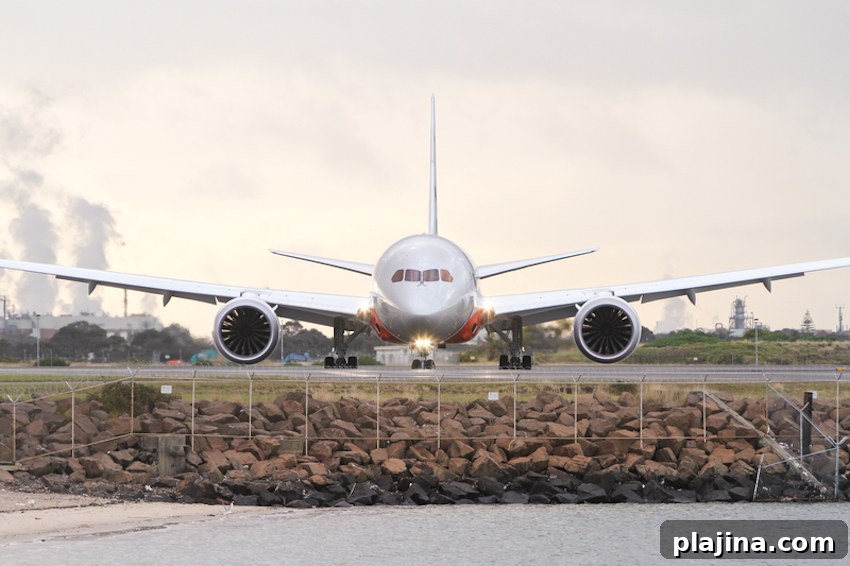
Several airlines have adjusted their schedules and aircraft deployments because of ongoing issues with Rolls-Royce Trent 1000 engines installed on Boeing 787 Dreamliners.
Airlines are taking a variety of measures to maintain services while engineering teams carry out inspections, repairs and preventive work. Virgin Atlantic temporarily returned an Airbus A340-600 to its roster to cover some Dreamliner flights. Norwegian has relied on a chartered aircraft to operate at least one route normally flown by a 787. British Airways will also join other carriers in arranging short-term replacements: the airline is leasing three Qatar Airways Airbus A330s for the summer season while its 787 fleet undergoes checks.
The inspections have been prompted by concerns about the durability of certain turbine blades in the Trent 1000 family. Rolls-Royce and airline engineering teams are monitoring component life and carrying out targeted maintenance to ensure engines remain safe and reliable. Because these actions affect multiple operators, the impact is industry-wide rather than confined to a single airline or region.
Passengers may notice several practical consequences when substitute aircraft are used. Relief aircraft such as the A330 or A340 have different cabin layouts, seat counts and in-flight amenities compared with the Dreamliner. That can lead to changes in seating allocations, onboard entertainment systems, and the overall passenger experience. Baggage allowances and cargo capacities can differ too, which may affect how airlines manage load planning on routes served by replacement aircraft.
Airline schedule planners are balancing aircraft availability, crew qualifications and regulatory approvals to keep services operating with as little disruption as possible. Leasing short-term wet or dry lease aircraft, repositioning spare aircraft from other networks, and rearranging timetables are common responses. In many cases, airlines are also prioritizing higher-demand markets while offering alternative routings or rebookings for travelers affected by capacity changes. Customers are encouraged to check flight details directly with their carrier before travel to confirm which type of aircraft will operate their flight and to understand any differences in seat configuration or onboard services.
From a technical perspective, operators and manufacturers follow rigorous airworthiness procedures. If inspections indicate that parts require replacement or enhanced monitoring, airlines will ground affected engines or aircraft until work is complete and regulatory authorities sign off. The process can be time-consuming because it may involve removing and replacing components, carrying out nondestructive testing, or installing redesigned parts. Rolls-Royce has been working with affected airlines and aviation authorities to provide service instructions, updated life limits, and engineering support aimed at restoring full availability of the Trent 1000-powered fleet.
Although specific timelines for the return of every impacted Dreamliner to normal service are difficult to predict, airlines typically publish updates as inspections proceed and maintenance tasks are completed. Travelers should monitor communications from their airline for schedule alerts, aircraft type updates and possible re-accommodation options. Frequent flyers and those with bookings on routes historically served by 787s may see temporary changes in cabin products and should review any notices about seating and service differences before departure.
In summary, the Trent 1000 engine durability concerns have prompted coordinated maintenance and operational changes across multiple carriers. Airlines are deploying a mixture of leased aircraft, charter services and temporary reintroduced types to maintain route coverage while engineers carry out inspections and repairs. Passengers may encounter different cabin layouts and service offerings when substitute aircraft are used, and it is advisable to verify flight details with the airline prior to travel for the most current information.