
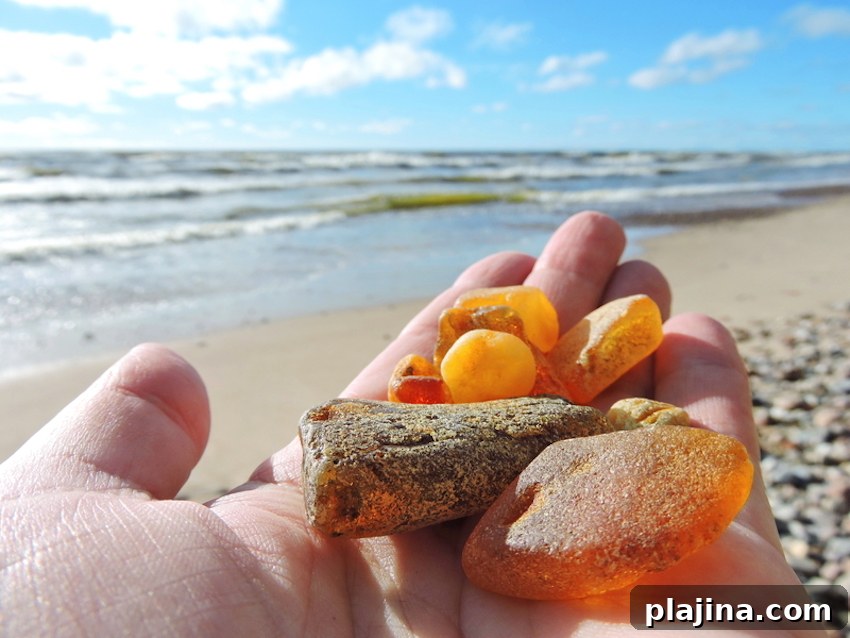
The new hotspot for travelers exploring Europe is the diverse Baltic nation of Lithuania, celebrated for its rich history, vibrant culture, distinctive cuisine — and amber. Often called Lithuanian gold, amber once traveled along an extensive trade route that reached across Europe and into Asia. Today, the modern Amber Road draws visitors along the Baltic coast from Kaliningrad to Latvia, offering coastal scenery, museums and living craft traditions. Notable stops along the route include:
The Mizgiris Amber Gallery-Museum in the seaside resort town of Nida showcases an extensive amber collection featuring a variety of colors and forms. Skilled local artisans often demonstrate their craft, and visitors can commission custom amber jewelry made on site, watching the piece take shape.
Amber Bay in Juodkrantė is the site of the largest archaeological find of amber artifacts from the Neolithic period. Discovered in the 19th century, the Juodkrantė Treasure includes more than 400 items such as jewelry and small animal figurines, offering a vivid glimpse into prehistoric Baltic life.
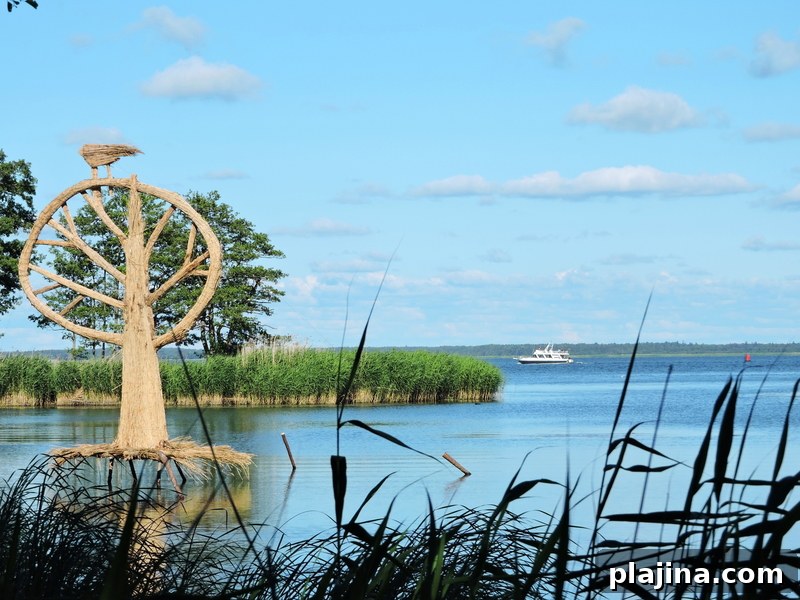
Amber Bay © Milllda | Dreamstime.com
At the Lithuania Minor History Museum visitors can learn about amber’s historical role in the region and admire necklaces dating from the fifth and sixth centuries. These strings of amber beads once functioned as a form of currency and reflect the material’s long-standing economic and cultural importance.
The sandy shores of Karklė have become popular with “amber catchers” — people who walk the coastline searching for pieces washed in by the sea. Walking these beaches is an enjoyable activity for nature lovers and collectors alike, and with luck you may discover a small fragment of Baltic amber yourself.
The Amber Museum in Palanga offers an in-depth look at the stone’s processing, traditions and history across 15 exhibit halls. Displays include finished objects and specimens that contain a variety of inclusions such as insects, plant material and tiny wood fragments, illustrating the way amber preserves traces of ancient ecosystems.
Also in Palanga, live demonstrations by experienced amber artisans reveal the skill and patience required to transform raw amber into beads, pendants and other objects. Watching these techniques firsthand connects visitors to a centuries-old craft and provides insight into why amber remains such a treasured material in Lithuania today.