-
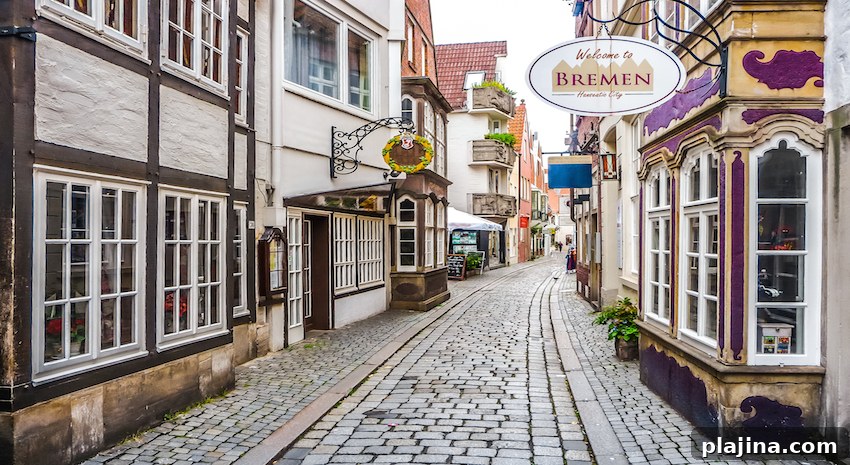
 Bremen, Germany, © minnystock | Dreamstime
Berlin, Frankfurt and Munich are major centers of commerce, culture and history, but Germany’s smaller cities offer equally authentic experiences. Many possess striking landmarks, rich local traditions and neighborhoods that reveal the country’s diverse heritage. -
© Mapics | Dreamstime
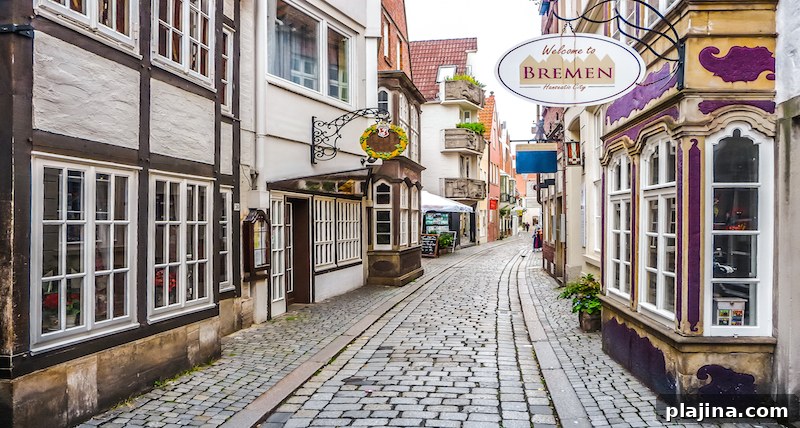
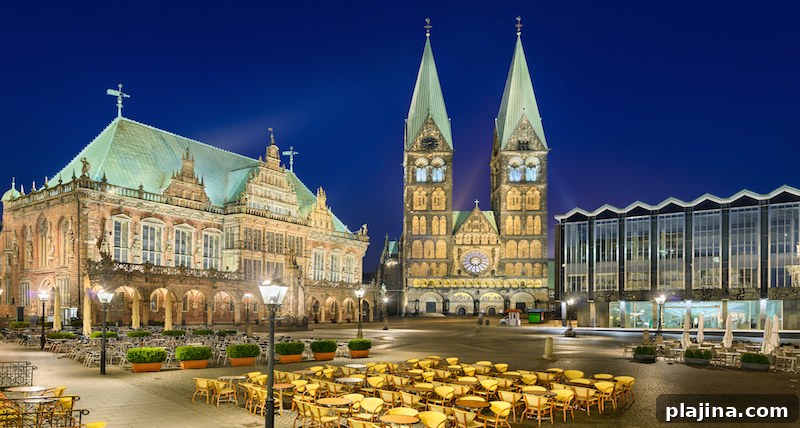
Bremen, the setting of a Grimm Brothers fairytale, blends ornate Gothic architecture with a proud history of trade and craftsmanship. The Old Town showcases the city’s finest sights, including the magnificent City Hall and parts of the original medieval walls. -
© Sborisov | Dreamstime
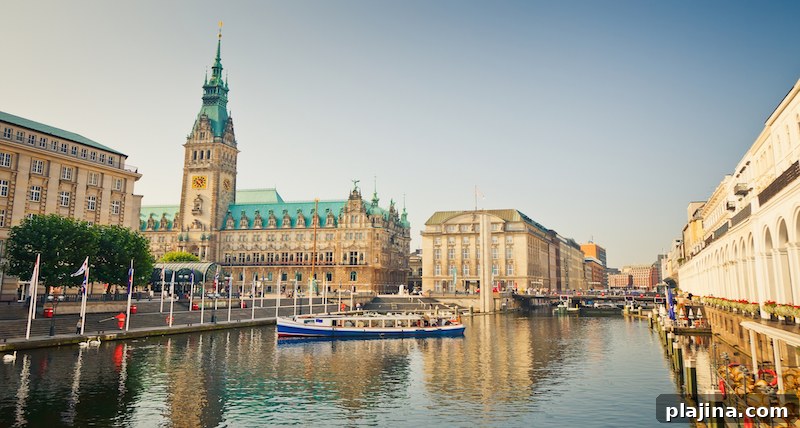
Hamburg, Germany’s second-largest city, owes much of its character to one of the world’s biggest ports. Its maritime atmosphere includes countless bridges and lively waterfront districts. Hamburg is also famous for vibrant nightlife and the well-known Reeperbahn area. -
© Sergey Dzyuba | Dreamstime
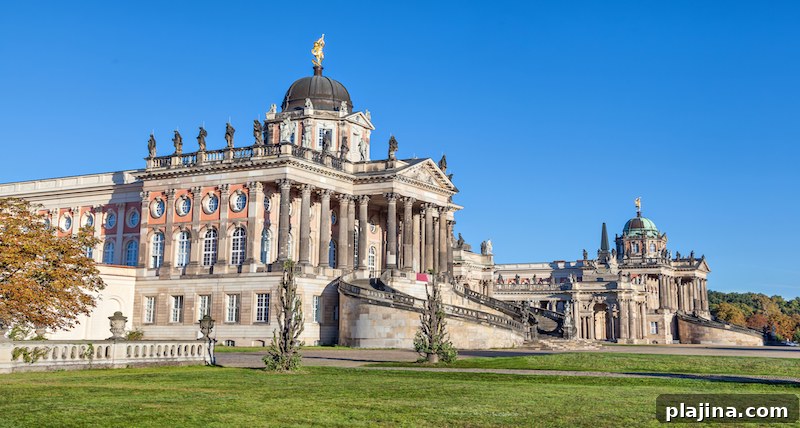
Potsdam, the capital of Brandenburg and a former Prussian seat, features a unique mix of Baroque and Neoclassical architecture. Highlights include Sanssouci Palace and its surrounding parks, reflecting the grandeur of royal summer residences and landscaped gardens. -
© Katatonia82 | Dreamstime
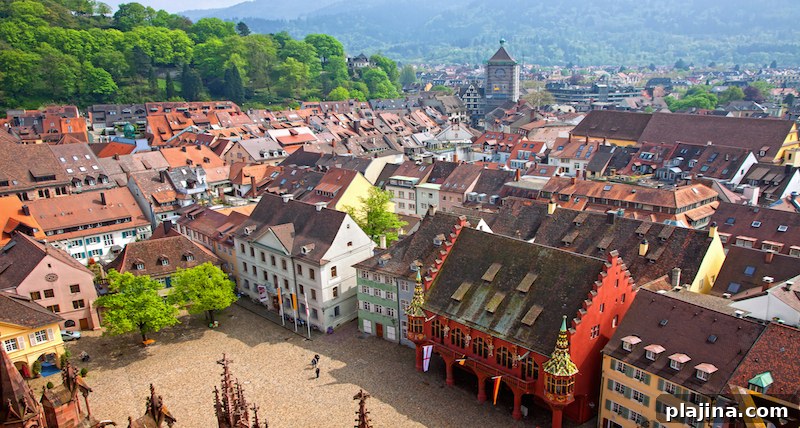
Freiburg ranks among Germany’s most picturesque cities and enjoys more sunshine than most. Its lively market stalls, cafés, breweries and restaurants give visitors a sense of local life, while the historic center is anchored by an impressive Gothic cathedral. -
© Sborisov | Dreamstime
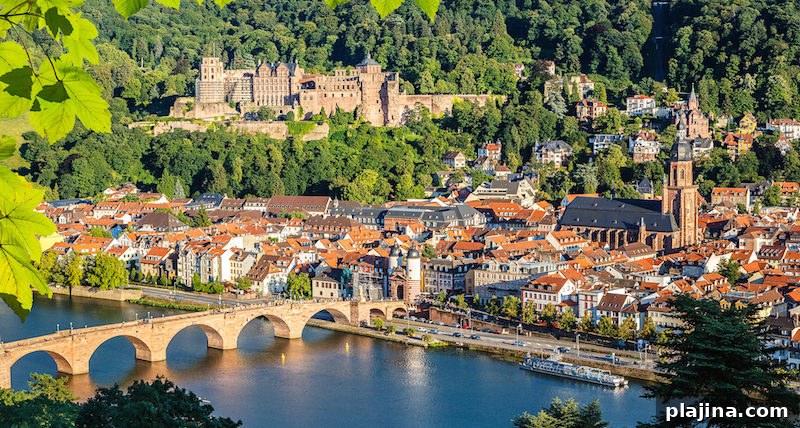
Heidelberg survived much of World War II intact and retains an old-world atmosphere with narrow cobbled streets, cafes around the market square and the striking medieval castle. The city remains a center of learning and tradition, anchored by Germany’s historic university. -
© Sean Pavone | Dreamstime
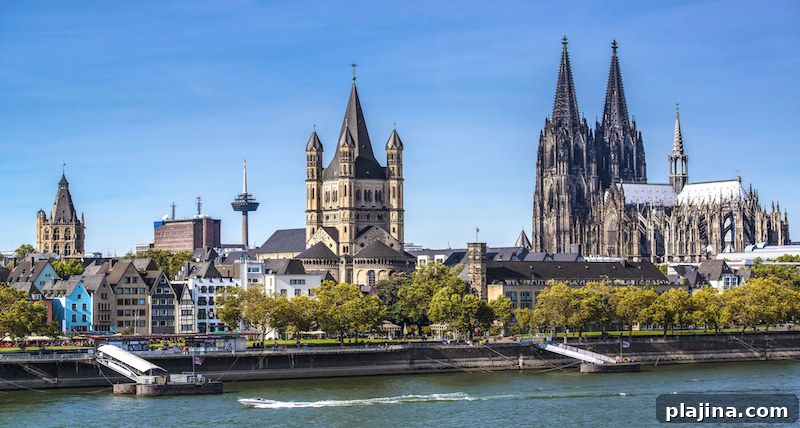
Cologne, founded by the Romans over two millennia ago, remains a cultural heavyweight. The Cathedral of Cologne dominates the skyline, while the city’s Gothic heritage, vibrant contemporary art scene and lively festivals—especially its carnivals—draw visitors year-round. -
© Xantana | Dreamstime
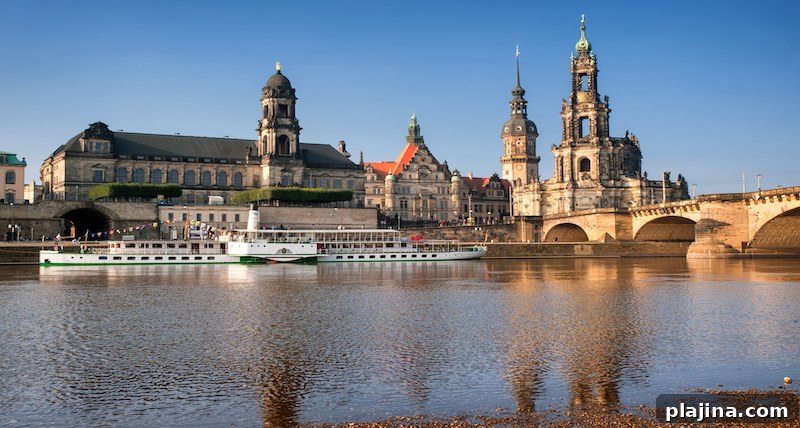
Dresden, the capital of Saxony, is often called the Florence on the Elbe for its riverfront setting and Baroque architecture. Although much was destroyed during World War II, the city’s major landmarks have been carefully restored and showcase its artistic and cultural legacy.