
IN THE BACKGROUND, the dusky blue-black ice of the Svartisen Glacier glimmers on frozen slopes above the Arctic Circle. Below, tall evergreens rise from a Norwegian forest, providing a vibrant contrast to the deep waters that lap the shores of Holandsfjorden. Anchored into the fjord bed, wooden stilts support Svart, a circular, quietly elegant structure poised to be the world’s first Powerhouse hotel adapted for a northern climate, scheduled to open in 2021.
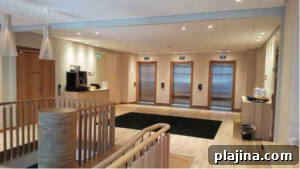
PHOTO: © MJØSTÅRNET
The Norwegian Powerhouse designation applies to what the program calls “future-proof buildings”: energy-positive structures that generate more energy over their lifetimes than they consume. Across Norway, a growing number of certified buildings meet the country’s green-label standards, including hotels such as Mjøstårnet, the 18-story mixed-use timber tower on Lake Mjøsa north of Oslo. Touted as the world’s tallest timber building, Mjøstårnet is treated for fire safety and houses 72 guestrooms, a restaurant, public baths and meeting spaces.
There is a clear global shift toward greener hospitality. Luxury and sustainability are no longer opposing ideas; they increasingly coexist, driven by consumer demand and measurable progress. By 2016 more than 2,070 hotels worldwide had joined the U.S. Green Building Council’s Leadership in Energy and Environmental Design (LEED) certification program, and participation has continued to grow.
“LEED is the roadmap for designing spaces that are better for people and the planet, and certification is a signal that a property meets the highest sustainability standards,” said Rhiannon Jacobsen, vice president of strategic relationships at USGBC. She noted that LEED covers energy, water and waste as well as the human experience. “People are ultimately at the heart of green building. Certification demonstrates a property’s commitment to sustainability while creating an experience that prioritizes guests’ personal well-being.”
Travelers skeptical of green claims can find reassurance in the practical, guest-friendly measures many sustainable hotels adopt. On the U.S. East Coast, 1 Hotel Brooklyn Bridge offers skyline and Statue of Liberty views while incorporating eco-conscious features: organic cotton bedding, Keetsa mattresses, and a rainwater-reclamation system that irrigates Brooklyn Bridge Park. These amenities combine comfort with concrete environmental actions.
“With today’s focus on well-being and sustainability, 1 Hotel Brooklyn Bridge’s nature-driven design and ethics create a unique hotel experience,” said Hannah Bronfman, director of sustainability and impact at SH Hotels & Resorts. She pointed out that guests increasingly want to travel while minimizing their impact, and properties that educate visitors about sustainable practices help make that possible.

PHOTO: © 1 HOTEL BROOKLYN BRIDGE
Each 1 Hotel property holds LEED certification and employs energy-efficient heating and cooling systems and low-energy lighting. Water and energy use are monitored in real time to reduce waste, while recycling and composting rates are tracked monthly with targeted reduction goals. Filtered water flows from taps and showers, five-minute shower timers encourage conservation, housekeeping uses green cleaning products, and kitchens work to minimize food waste to reduce overall carbon impact.
Location heavily shapes what sustainability measures a hotel can implement. In arid regions, water conservation and filtration are priorities; in cold climates, reducing food miles and using geothermal or sustainable heating matter more. Travelers should consider whether a hotel is a new build or a repurposed structure and how its presence affects local flora and fauna.
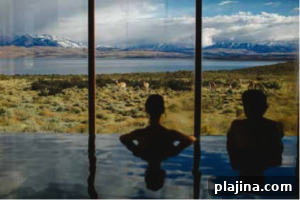
PHOTO: © TIERRA PATAGONIA
In remote Patagonia near Torres del Paine National Park, Tierra Patagonia integrates conservation into its design and operations. As a member of the National Geographic Unique Lodges of the World, the property has phased out single-use plastics, adopted LED lighting, supported local social projects and partnered on large-scale reforestation efforts with national organizations. These choices reflect a broader commitment to operate in harmony with the surrounding environment.
“That sense of responsibility permeates everything we do,” said Margarita Lackington, sustainability manager at Tierra Hotels. “Decisions we make daily determine the long-term viability of the property. Our duty is to combine guests’ desire to experience the destination with our commitment to preserving its natural balance.”
Other examples from around the world show a variety of approaches. On Chumbe Island off Zanzibar, Chumbe Island Coral Park runs a coral sanctuary and forest reserve with rainwater catchment, solar water heating and photovoltaics powering individual bungalows, aiming for zero environmental impact. In Vienna, Boutiquehotel Stadthalle retrofitted a reclaimed building to achieve energy neutrality through groundwater heat pumps and photovoltaic panels, offers bicycles for guests, and maintains a lavender roof meadow that supports bees and produces honey used in the hotel’s kitchen.
Innovative materials and traditional techniques also play a role: the Arosea Life Balance Hotel in Italy’s Stelvio National Park uses botanic architecture, sheep’s wool insulation, slate and Swiss pine finishes, while Siwa Oasis Adrère Amellal in Egypt features earth-built structures made from dried rock salt, clay and straw with rooms that operate without electricity, lit by beeswax candles. These approaches emphasize local resources and cultural context while reducing environmental impact.
“The most important point is that sustainability is a journey, not a destination,” Jacobsen said. “It requires continuous improvement and a commitment to measuring and tracking performance. Standards evolve as we learn, and our buildings must evolve with them.”
Whether visiting Norway, Brooklyn, Patagonia or elsewhere, travelers now have more choices that combine comfort, service and planet-friendly practices. For eco-minded visitors, that expanding range of sustainable lodging makes it easier to enjoy travel without compromising environmental values.