
Before European contact, the peoples of South America cultivated a rich variety of crops—corn, beans, potatoes, sweet potatoes, avocados and chili peppers among them. Over centuries, these native ingredients combined with foods and techniques introduced from Europe, Africa and other regions, creating the vibrant, diverse cuisines enjoyed across the continent today. Below are three classic South American dishes worth trying for their flavor, history and regional character.
Ceviche: Peru’s bright coastal favorite
Ceviche is widely enjoyed across South America but is most closely associated with Peru. The dish features fresh raw fish cured in citrus juices—typically lime or bitter orange—then seasoned with ají (local chili peppers), salt, and pepper. Thinly sliced onion is often added to the marinade, and traditional servings are accompanied by corn kernels and boiled sweet potato, which balance the tartness. In coastal countries such as Ecuador and Chile, local variations reflect different fish, levels of heat and additional garnishes. Because classic ceviche relies on the day’s catch, it is commonly eaten earlier in the day when seafood is freshest.
Feijoada: Brazil’s slow-cooked bean stew
Feijoada is a hearty, comforting stew and one of Brazil’s national culinary icons. The dish centers on black beans simmered alongside an assortment of meats—typically pork cuts and sometimes beef—plus smoked or spiced sausages. Common sausages include chouriço, morcela and farinheira, which contribute deep, savory flavors. Feijoada is traditionally cooked slowly in a heavy pot to develop richness and is served with white rice, cooked greens and orange slices to brighten the plate. A frequent accompaniment is farofa, toasted manioc flour that adds texture and a nutty note. Feijoada is often enjoyed as a communal meal, reflecting its role in gatherings and weekend dining.
Empanadas: Argentina’s savory turnovers
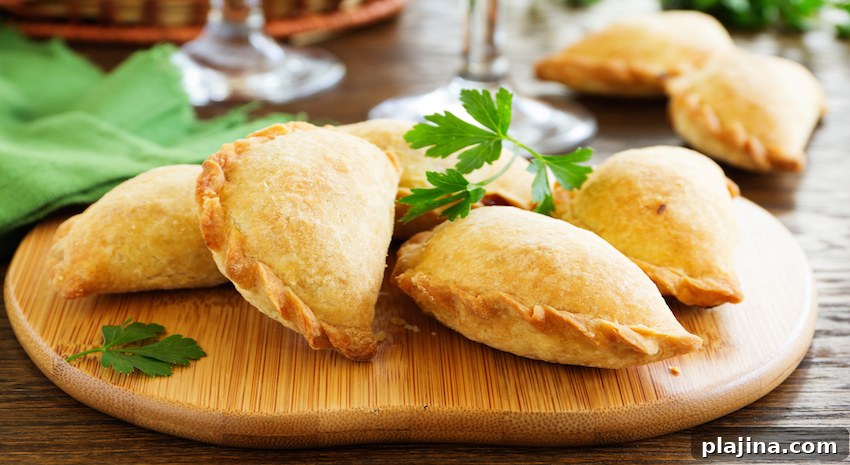
Empanadas are savory pastry turnovers found throughout Latin America, with each country and region offering its own fillings and techniques. Argentina is renowned for empanadas made with high-quality beef, reflecting the country’s strong cattle tradition. Classic Argentine empanadas are filled with seasoned minced steak, onions, sometimes hard-boiled egg, olives or raisins depending on local customs, and cheese or vegetables in some variations. The dough is folded and crimped to seal in the filling, then baked or fried until golden. Empanadas serve as versatile food for street vendors, family meals, parties and festivals; many households guard a favorite family recipe handed down through generations.
These three dishes illustrate the diversity and regional identity of South American cuisine: ceviche’s coastal zest, feijoada’s slow-cooked depth, and the empanada’s portable, customizable appeal. Sampling them provides a delicious way to experience local ingredients, culinary history and the many regional approaches that make South American food so compelling.