
Whether on the ocean, a river, or a lake, hosting a conference at a waterfront convention center offers many advantages. Waterfront locations provide unique outdoor networking spaces and access to “blue spaces”—aquatic environments that research links to improved mental health and well-being—helping boost attendee satisfaction and create memorable event experiences.
Iconic resort destinations illustrate these benefits. The Baha Mar Convention Center in Nassau, Bahamas, sits on Cable Beach and includes the Baha Bay Lawn, a private waterfront event space ideal for receptions and social gatherings. On the U.S. West Coast, the San Diego Convention Center features terraces overlooking the San Diego–Coronado Bridge and San Diego Bay, which are frequently used for receptions, lunches and outdoor programming.
Vancouver’s Convention Centre combines waterfront access with mountain views. It houses Canada’s largest waterfront ballroom, complete with five-story ceilings, open terraces and floor-to-ceiling windows that bring in natural light and panoramic water vistas.
On the U.S. East Coast, Ocean City’s Roland E. Powell Convention Center sits between the Atlantic Ocean and Isle of Wight Bay and offers a waterfront promenade plus outdoor areas for receptions and networking breaks. In Tampa, the Tampa Convention Center pairs meeting spaces with water views and is complemented by venues like The Sail Plaza and Bay Bar & Bistro, popular for cocktail receptions overlooking the Riverwalk.
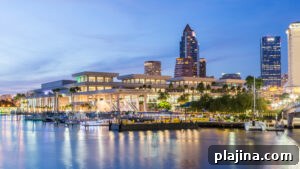
Tampa Convention Center © Ishnchat | Dreamstime.com
In Pittsburgh, the David L. Lawrence Convention Center connects directly to the city’s riverfront trails through The Riverfront Plaza and includes a new kayak dock landing, encouraging active, water-based recreation for attendees. The Ernest N. Morial Convention Center in New Orleans sits on the banks of the Mississippi River and now integrates a pedestrian riverfront park and improved public-space interface, linking the convention center with the broader waterfront for events and informal gatherings.
Lakeside convention centers also deliver striking settings. Chicago’s McCormick Place, the largest convention complex in North America, includes the Lakeside Center along Lake Michigan and features a glass facade that showcases aquatic views and enhances natural light throughout the facility. Smaller properties, like The Osthoff Conference Center and Resort on Elkhart Lake in Wisconsin, cater to corporate retreats with on-water activities such as pontoon cruises and kayak rentals.
Internationally, major centers also capitalize on blue-space settings. The Melbourne Convention & Exhibition Centre sits along the Yarra River, and Singapore’s Marina Bay Sands Expo & Convention Centre faces the iconic Marina Bay waterfront. These sites use their water-adjacent locations to frame events, create striking backdrops and elevate attendee experiences.
“The Marina Bay waterfront creates a stunning backdrop that elevates every gathering, from product launches to gala dinners,” said Eileen Lee, senior vice president, Americas, International Group, Singapore Exhibition & Convention Bureau.
Similarly, leaders at venues like McCormick Place emphasize how lakefront settings blend city energy with serene water views to offer convenience and memorable atmospheres for meetings.
Whether planners choose oceanfront, riverfront, or lakeside facilities, waterfront convention centers add tangible value: enhanced well-being, versatile indoor-outdoor programming options, and visually distinctive spaces that make events more engaging and memorable for attendees.