
Hotels across Asia are increasingly embracing sustainability and self-sufficiency by developing on-site farms and gardens. These properties bring farm-to-table dining to a new level, offering guests fresher ingredients, reduced food miles and a deeper appreciation for the effort behind sustainable food production. Consider visiting one of these hotels on your next trip to enjoy seasonal produce, herbs and ethically raised poultry integrated directly into their restaurant menus.
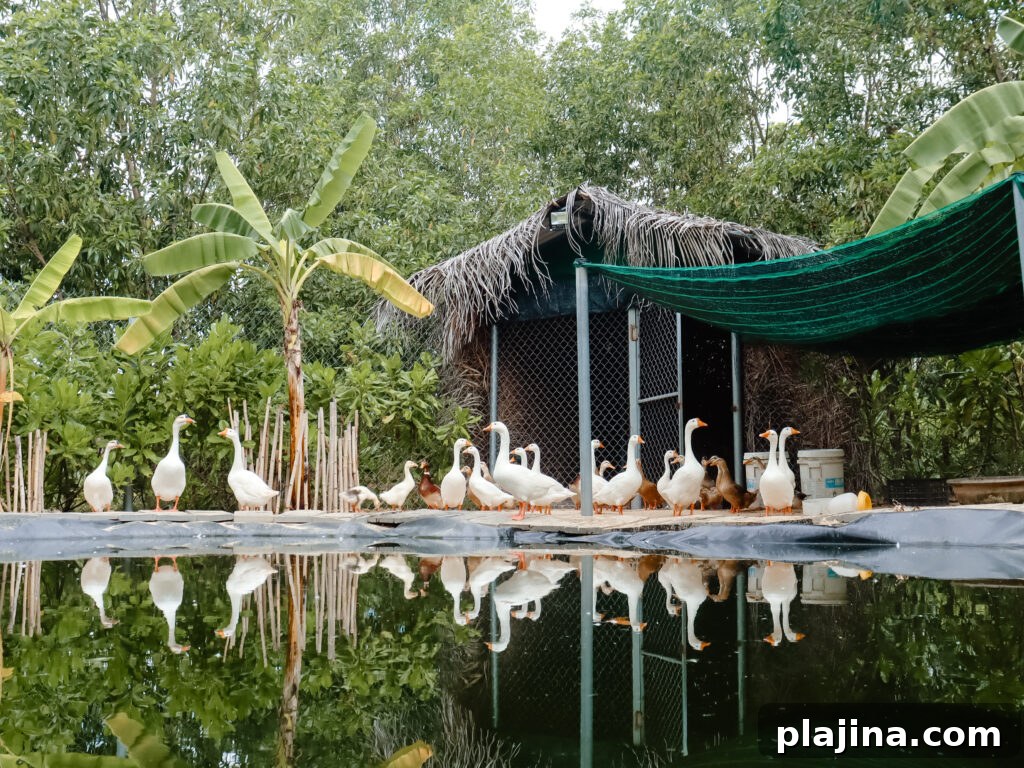
© The Anam Cam Ranh
Anam Cam Ranh
Located in Vietnam, this five-star resort maintains an extensive 91,500-square-foot plot devoted to vegetables, fruits, herbs and poultry. Guests dining at the resort’s Lang Viet Restaurant enjoy dishes featuring produce harvested on-site, such as Malabar spinach, corn, mustard greens and wild betel leaves. The farm supplies common vegetables like lettuce, cucumber, green onion and cassava, along with fruits including custard apple, papaya, banana, mango, cac fruit and bitter melon. Fresh herbs from basil and thyme to mint and coriander add aromatic depth to the cuisine. Beyond chickens and ducks, the property’s small livestock includes geese, rabbits, goats, turkeys, peacocks and guinea fowl, contributing to a diverse and resilient farm ecosystem.
Alma Resort
Also in Vietnam, Alma Resort has converted portions of its 30-hectare grounds into productive agricultural spaces: a nearly 11,000-square-foot nursery garden, a 3,000-square-foot chicken area and a 2,000-square-foot herb garden. The gardens yield bananas, coconut, papaya, squash, passionfruit and sunflowers, while the chicken area provides fresh eggs. Adjacent to the beachfront restaurant Atlantis, an herb garden overflows with red and green chili peppers, Vietnamese basil, lettuce, green onions, bok choy and white radish. Start the day with bananas and fresh coconut at breakfast, then enjoy salads and fruit drinks at Atlantis made with produce grown steps away. The Italian restaurant La Casa also highlights the garden’s tomatoes in its caprese salad, paired with locally produced mozzarella.

© Melia Chiang Mai
Mélia Chiang Mai
Mélia Chiang Mai promotes healthy eating and sustainability through its 360° Cuisine concept. Executive chef Suksant Chutinthratip designs menus that make full use of ingredients grown on the hotel’s organic farm, minimizing waste by using every usable part before composting scraps. The hotel also collaborates with ORI9IN The Gourmet Farm in San Sai District to cultivate a wider range of fruits, vegetables and herbs, including several tomato varieties, mixed salad greens and specialty items like padrón pepper that would otherwise need to be imported.
Melia Bali
Set along Bali’s Nusa Dua coastline, Melia Bali has expanded its organic garden and recently introduced beehives to support pollination, biodiversity and a healthier ecosystem. The Chef’s Garden supplies vegetables, fruits, spices and herbs used throughout the hotel’s restaurants, providing guests with more flavorful and environmentally conscious dining options.
© Trisara
Trisara
This secluded resort in Phuket is notable for housing PRU, the island’s only Michelin-starred restaurant, along with Jampa, a zero-waste dining venue that champions sustainable practices. PRU—short for Plant. Raise. Understand.—draws on Pru Jampa, the resort’s extensive farm, to source vegetables, herbs and fruits. Award-winning chefs select garden produce to craft seasonal, locally rooted dishes that reflect the property’s dedication to low-waste, regenerative cuisine.
Visiting hotels with on-site farms not only enhances the quality and flavor of meals but also supports sustainable tourism practices. By choosing properties that grow and source their own ingredients, travelers can enjoy fresher food while encouraging initiatives that benefit local ecosystems, reduce food waste and promote responsible hospitality.