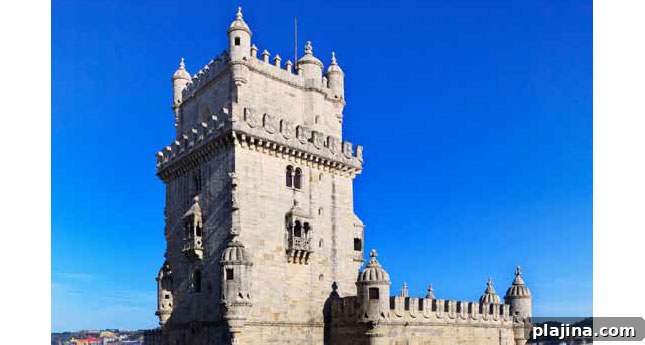
LISBON
Lisbon, Portugal’s elegant and historic capital, is a vibrant city of about 547,600 residents set on the Atlantic coast. Known for its colorful architecture, layered history and lively cultural scene, Lisbon offers visitors a pleasant Mediterranean climate, world-class cuisine centered on fresh seafood and several UNESCO-listed sites. The city blends centuries-old traditions with contemporary life, making it an engaging destination for history lovers, foodies and urban explorers alike.
GETTING THERE
Lisbon Humberto Delgado Airport (LIS), commonly called Lisbon Portela Airport, is the country’s busiest international gateway and lies roughly 4.5 miles from the city center. As the primary hub for TAP Air Portugal, it provides extensive connections across Europe, Africa and parts of North America. From the airport, travelers can reach downtown by AeroBus for a modest fare or by metro for an economical option. Taxis are widely available and convenient, though some knowledge of Portuguese will help smooth communication with drivers.
GETTING AROUND
Public transportation in Lisbon is comprehensive, efficient and full of character. The historic tram network remains a charming way to navigate the city’s steep streets, while a modernized metro system provides fast access across neighborhoods and to suburban rail lines. Ticket machines usually offer English and Portuguese instructions. Single bus fares are inexpensive, and daily passes provide good value for multiple trips. For frequent travel during a stay, pick up a reusable stored-value card—available at metro and bus stations—which works on metro, trams (eléctrico), urban trains and most buses.
TOP ATTRACTIONS
Belém Tower
Belém Tower is a 16th-century fortress and UNESCO World Heritage site that once guarded the Tagus River. Also known as the Tower of St. Vincent, it was a symbolic departure point for many of Portugal’s great maritime expeditions. Visitors often reach Belém via Tram 15 to explore this historic riverside landmark and its impressive Manueline architecture.
Monastery of the Jerónimos
The Monastery of the Jerónimos, built in the early 1500s to mark the sea route to India, stands near Lisbon Harbor and is another UNESCO World Heritage site. Renowned for its ornate Portuguese Manueline style, the monastery houses tombs of prominent Portuguese figures and offers a fascinating glimpse into the nation’s Age of Discovery.
Santa Justa Elevator
The Santa Justa Elevator is an iconic iron lift from the 19th century that links the low-lying Baixa district with Bairro Alto. Originally steam-powered, the Neo-Gothic tower provides panoramic city views from its top platform, accessible by a spiral staircase, and includes a small café where visitors can pause and take in the skyline.
EVENTS AND FESTIVALS
Arte Lisboa
Held each November, Arte Lisboa is a prominent contemporary art fair that brings together galleries and collectors from Portugal and abroad. The fair highlights contemporary trends and features exhibits from more than 40 national and international galleries.
Festas de Lisboa
June in Lisbon is marked by Festas de Lisboa, a lively celebration of local culture and tradition. Streets fill with music, parades, theatrical performances and neighborhood fairs, creating a festive atmosphere across the city.
Lisbon Fish & Flavours Festival
Taking place each April, the Lisbon Fish & Flavours Festival showcases the city’s rich seafood traditions. The event includes tastings, chef demonstrations, cooking classes and opportunities to sample regional wines alongside a wide variety of fish and seafood dishes.
RESOURCES
For official visitor information and practical tips on exploring the city, consult the local tourism site.