
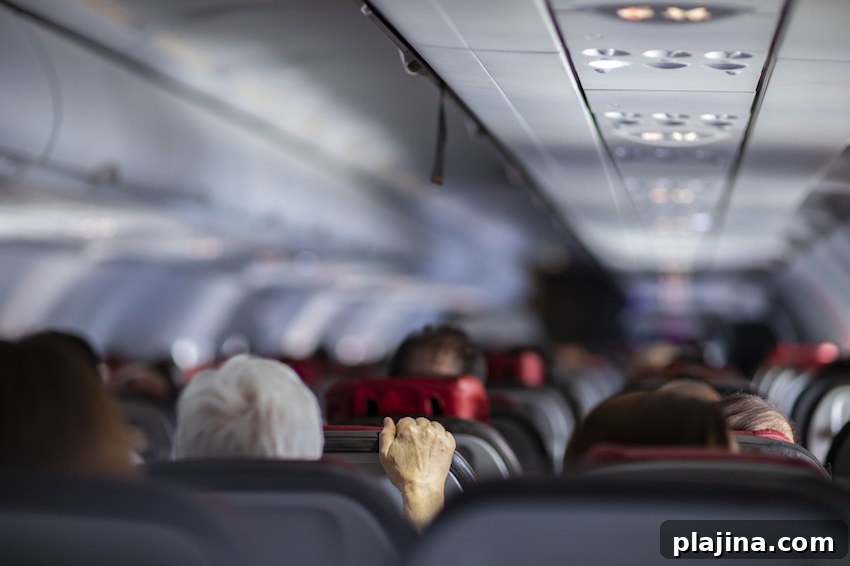
If a new design from SE Aeronautics secures its pending patent and enters production, economy passengers could enjoy a more comfortable flight with increased personal space.
Developed by Lloyd Weaver and Burk Dagget of SE Aeronautics, the “morphing” airline seat shifts smoothly from an upright position to a fully reclined one while preserving space so passengers in front or behind are not disturbed. Constructed from thin layers of viscoelastic material, the cushion conforms to each passenger’s body, providing support and reducing pressure points for a more comfortable rest.
Because the seats can fully recline without encroaching on neighboring passengers, questions arise about how airlines would maintain current seat counts in the same cabin footprint. Some carriers may hesitate to adopt the design if it threatens seat density and ticket revenue. Advocates argue, however, that economy seating deserves the same thoughtful innovation given to premium cabins. They also point out that the thinner viscoelastic construction could offset space concerns by reducing bulk and potentially lowering material and maintenance costs, helping airlines balance passenger comfort with operational efficiency.
In summary, the morphing seat aims to bring business-class comfort to economy travelers through adaptive materials and clever ergonomics. The concept faces practical challenges—chiefly whether airlines will accept any compromise in seat count—but if manufacturers and carriers can find a viable balance, the design could significantly improve the flying experience for many passengers.