
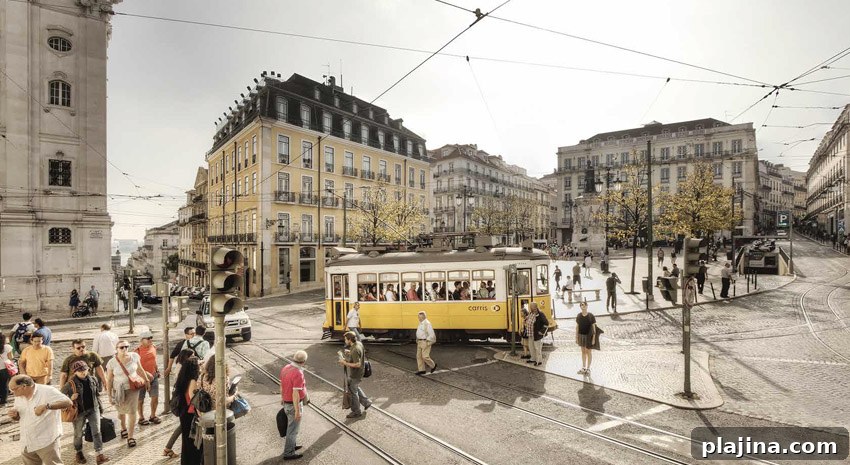
THE WORLD AS WE KNOW IT would be very different had Portuguese explorers and merchants not left their mark during the Age of Discovery. From Lisbon, ships set sail to the Americas, Africa and Asia, returning with goods, ideas and commercial practices that helped shape the foundations of the modern global economy.
Today, Lisbon remains a major port of call for trans-Atlantic cruises and voyages along the Atlantic coast of Europe, the western Mediterranean, the British Isles and North Africa. To capitalize on this heritage and growing demand, the Port Authority of Lisbon embarked on an effort to increase calls and double passenger numbers. That vision culminated in November 2017 with the opening of the Lisbon Cruise Port Terminal on the banks of the Tagus estuary. Designed by Portuguese architect João Luís Carrilho da Graça, the terminal is expected to receive more than 400,000 cruise passengers annually.
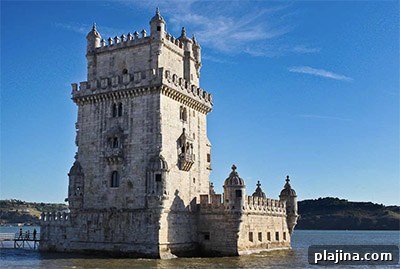
Belém Tower © TURISMO LISBOA
Built with 21st-century needs in mind, the new terminal emphasizes sustainability and a smooth flow of passengers to prevent congestion in the city. After two years of construction by Global Ports Holding and a $28 million investment, the facility functions like a city within a city. Covering 148,542 square feet over three floors, it offers 4,900 feet of pier to accommodate a variety of ship sizes, automated gangway systems and on-site services for provisioning, check-in and water supply.
By year’s end the Port of Lisbon welcomed 14 ships, including Le Lyrial, Costa Mediterranea, MSC Magnifica, Saga Sapphire, Veendam, Balmoral, Ventura, Aurora, AIDAvita, Royal Clipper, Star Breeze, Oceana, MSC Preziosa and Viking Sun. The port’s quick resurgence is particularly notable given how hard Portugal was hit by the 2008 financial crisis. Unemployment peaked around 18 percent in 2012, yet Lisbon has rebounded through investment, restoration and renewed tourism.
International capital and renovation projects helped revive Lisbon’s built heritage, turning neglected but architecturally significant buildings into desirable homes, hotels and commercial spaces. Jones Lang LaSalle projected Portugal could reach a new investment level of $2.5 billion in 2018, noting that foreign investors accounted for nearly 80 percent of transactions the previous year. Attractive financing, diverse investment opportunities and rising rents fueled activity across residential, retail and office markets, often focusing on tile-covered historic structures.
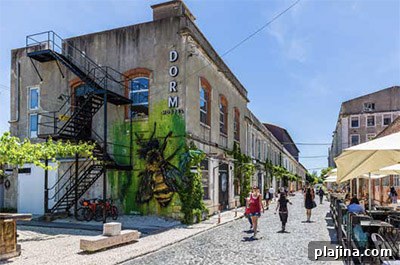
LXFactory © DAGOBERT1620 | DREAMSTIME..COM
The hotel and hospitality industries have been key drivers of Lisbon’s recovery. Gonçalo Garcia of Cushman & Wakefield’s hospitality division reported double-digit revenue growth since 2013–2014, and forecasts anticipated dozens of new hotels. By 2019, Portugal expected roughly 115 new hotels and 9,500 additional rooms, with more than two-thirds in the upper segments and many concentrated in Lisbon and Porto.
Portugal’s National Institute of Statistics reported hotel revenue rose about 18 percent in 2017 to $3.6 billion, while overnight stays by international visitors increased by 12.1 percent year-over-year. New air routes further boosted tourism, business travel and investment. Foreign visitor arrivals rose by nearly 12 percent to 12.7 million, energizing a retail scene that mixes international chains, independent boutiques and repurposed homes and industrial spaces now hosting lifestyle-focused shops showcasing Portugal’s furniture and fashion designers.
Patricia Araújo of Jones Lang LaSalle’s retail division noted a focus on high-street retail rather than enclosed shopping centers, an approach that respects Lisbon’s neighborhood character. The restaurant scene is thriving with new openings and creative concepts, and neighborhoods like Cais do Sodré have emerged as hotspots for dining and nightlife. Restoration across the city has supported chef-driven restaurants and cocktail bars in Baixa, Bairro Alto and Praça do Comércio.
Lisbon is also attracting startups and international firms, including major tech companies. Riverside warehouses and industrial properties are being converted into office space to serve legal, financial and tech businesses. Google announced a tech support center near Lisbon, and shared workspaces such as the Beato Creative Hub are expanding in emerging neighborhoods.
AICEP Portugal Global highlights Lisbon’s advantages: proximity to North America, a relatively low cost of living compared with other Western European capitals, strong safety rankings, and favorable investment ratings from international publications. These factors, combined with Portugal’s travel competitiveness, help explain Lisbon’s renewed relevance on the global stage.
CHECKING IN WITH CHITRA AND ROMAN STERN
Founders, Martinhal Family Hotels
As business conference and incentive travel expand to include families, how do Lisbon’s attractions support this trend?
Lisbon is family-friendly and considered very safe for children. Many restaurants and public spaces welcome families, and attractions such as the Oceanarium, the Science Centre, the Lisbon Story Centre and the Zoo offer engaging experiences for kids. This makes Lisbon an appealing conference destination where attendees can bring their families and extend business trips into leisure stays.
What other factors boost Lisbon’s economy and appeal as a cruise and business destination?
Lisbon offers excellent value for the quality of service, a cosmopolitan heritage shaped by centuries of global contact, and widespread English proficiency among younger generations. Geographically, it is one to three hours from major European and North African cities and six to eight hours from North and South American hubs, with direct flights available from Asia and Oceania that increase accessibility.
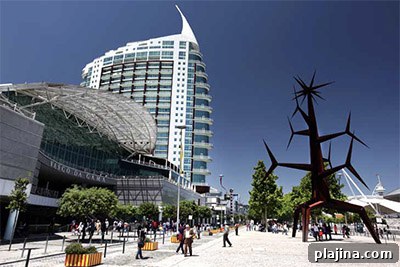
Parque das Nações © PRESSE750 |
DREAMSTIME.COM
What developments around Lisbon are most exciting?
Chitra: Lisbon has been revitalized while keeping its charm. Food, culture and art are evolving rapidly, and many new hotels now host meetings and events of varied sizes. Parque das Nações, the site of Expo 1998, is a standout example of urban regeneration: it features the Altice Arena, an exhibition center, seven kilometers of waterfront, pedestrian and cycling paths, play areas, water sports facilities, concert venues, residences and the oceanarium.
Which neighborhoods are poised for a comeback?
Riverside neighborhoods between Parque das Nações and Cais do Sodré—such as Matinha, Prata, Marvila, Xabregas, Beato and Poço do Bispo—are showing early signs of transformation. Fueled by private initiatives, public policy and cultural activities, these areas are becoming attractive for startups, cafés, bars, restaurants, galleries and performance spaces. Along with lifestyle hubs like LXFactory, they reflect Lisbon’s strength in urban renewal.
Things to Do in Lisbon
Belém, Lisbon’s historic Age of Discovery district, offers abundant cultural treasures. It’s the departure point of many famous explorers, home to Belém Tower and the Mosteiro dos Jerónimos with its Manueline architecture. Museums of archaeology, maritime history and transport, as well as the Belém Cultural Centre, provide plenty of options. For a sweet treat, try the famous pastéis de Belém (expect lines at the original spot).
LXFactory, a redeveloped industrial complex, highlights multicultural influences on Portuguese food, fashion and design. It hosts bars, creative dining, lifestyle shops and a popular Sunday flea market. Bairro Alto and Chiado feature concept stores in converted residences, offering curated fashion, home accessories and unique souvenirs.
Soccer fans should consider a tour of Benfica Stadium to experience the field, locker rooms, press areas and the team’s eagle mascot, and to pick up memorable merchandise at the club shop.
Lisbon Info to Go
Lisbon has five main cruise docks. Santa Apolónia, Santa Apolónia Jusante and Jardim do Tabaco are within walking distance or a short metro ride to the city center; Alcântara and Da Rocha sit closer to the Ponte 25 de Abril bridge and Belém. Check your cruise line for docking details.
Lisbon Portela Airport is the primary international gateway and hub for TAP Air Portugal. The metro runs roughly every few minutes from 6 a.m. to 1 a.m., with single fares around €1.40 and daily passes near €6 that cover metro, buses and trams. Taxis typically range from €10–20 for a trip to the city, and the Aerobus provides an affordable shuttle with luggage space.
Lisbon: Just the Facts
Time zone: GMT +1
Phone code: Country code: 351 City code: 21
Currency: Euro
Key industries: Clothing and footwear, food processing, pulp and paper, cork, metalworking, refining, chemicals, fish canning, wine and tourism
OFFICIAL LANGUAGE
Portuguese
COMING AND GOING
U.S. citizens may stay visa-free for tourist or business visits up to 90 days but must have a valid passport and an onward/return ticket. Passports should be valid for at least six months beyond the planned departure date and have at least two blank pages for entry stamps.
Where to Stay in Lisbon
HOTEL AVENIDA PALACE — Lisbon’s first luxury hotel opened in 1892. Its Belle Époque exterior and richly decorated interiors offer a classic, grand experience. Rua 1º de Dezembro 123
MARTINHAL CHIADO — A family-focused property where parents can work or enjoy evenings out while Kids Club staff care for children in a secure, activity-driven space. Rua das Flores 44
OLISSIPPO LAPA PALACE — A 19th-century luxury hotel known for privacy, opulent décor, gardens and an exclusive atmosphere. Rua do Pau de Bandeira 4
Restaurants in Lisbon
CAN THE CAN — A creative restaurant that pays homage to Portugal’s canned fish industry by blending tinned fish with bold spices, tropical fruits and local produce. Terreiro do Paço 82/83
PALÁCIO CHIADO — A contemporary dining concept with multiple stations offering meats, seafood, traditional Portuguese dishes and vegetarian options. Rua do Alecrim 70
PESCA — Chef Diogo Noronha crafts dishes from local and foraged ingredients to express the ocean’s flavors, complemented by inventive cocktails. Rua da Escola Politécnica 27