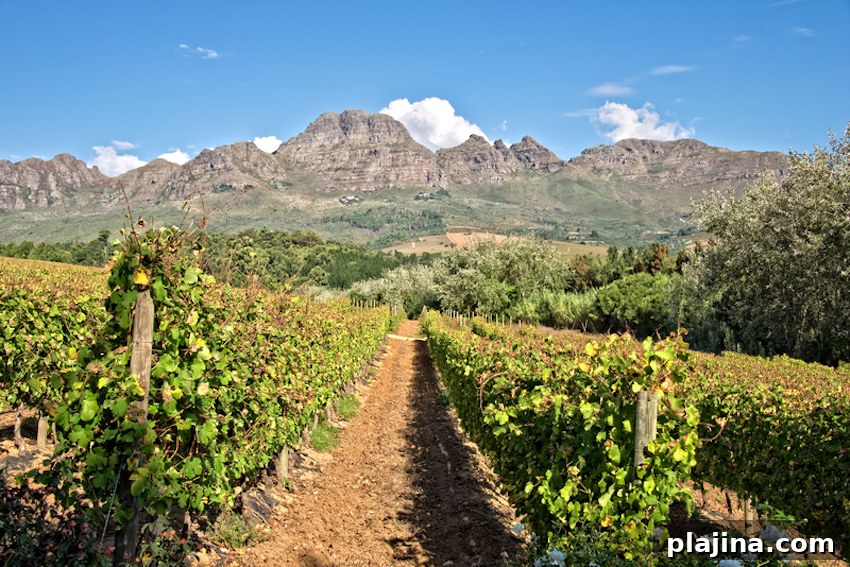
South Africa is set to record its smallest wine grape harvest in 14 years after a season marked by variable weather and drier-than-normal conditions. These factors have reduced yields across many vineyards, prompting industry concern about the economic impact even as quality remains strong.
Vinpro, which represents more than 2,000 South African wine grape producers, wineries and wine-related businesses, issued the harvest forecast last month. The association says output is expected to be the lowest since 2005.
Despite the reduced volume, vintners and experts report that grape quality for 2019 remains good. Smaller berries often concentrate more flavor, so wines from this vintage may show notable intensity and character. Still, lower yields translate into tighter profit margins for producers and broader economic consequences. The wine sector contributes roughly $2.5 billion to South Africa’s GDP, and the Western Cape’s wine regions are a major draw for international tourism.
Francois Viljoen, consultation services manager at Vinpro, explained the primary causes behind the smaller 2019 crop. “The main reasons for the smaller crop in 2019 are the poor set of wine grape bunches that are being observed throughout the Western Cape due to wet, cold conditions and wind experienced in October last year,” he said in a Vinpro release. Those adverse spring conditions disrupted flowering and fruit set, reducing the number of berries per bunch in many vineyards.
Viljoen also highlighted longer-term water challenges that have affected vineyard management. “The 2017/18 season forever changed our frame of reference about our water resources and way of thinking about water in general and we had to come up with new ways to accumulate and save water and use this scarce resource more efficiently — in some cases vineyards had to be managed with 50 percent less water than usual and in some extreme cases with only 16 percent of the normal water allocation,” he said. These constraints forced growers to adopt more careful irrigation practices and other conservation measures to protect vines under restricted water availability.
Growers across the Western Cape have responded by adjusting canopy management, pruning, and irrigation schedules to preserve vine health and maximize quality from the reduced crop. Many producers are also focusing on precision viticulture and soil moisture monitoring to make the most efficient use of limited water, while some are exploring alternative water sources and storage to buffer future dry seasons.
The combination of spring weather stress and ongoing water scarcity means the 2019 vintage will be smaller in volume, but it may deliver wines with concentrated flavors that reflect careful vineyard management under pressure. For the industry, the immediate challenge will be balancing quality gains against the economic strain of lower output, the cost of new conservation measures, and the implications for employment and tourism in wine-producing regions.
As producers and industry organizations like Vinpro navigate these pressures, the focus remains on sustaining long-term resilience through improved water stewardship, adaptive viticulture practices, and investments that support both grape quality and the livelihoods dependent on South Africa’s important wine sector.