
Frequent travelers know how essential travel apps have become. From searching for affordable flights and booking accommodations to mobile check-in and real-time itinerary updates, travel apps serve many functions that make trips smoother and less stressful.
Recognizing this reliance, J.D. Power conducted an in-depth study of travel app satisfaction and published its findings. The report shows that while travel apps are widespread, they still trail other types of apps in overall user satisfaction. A key takeaway is that reliability during day-of travel—when users need apps to perform under pressure—strongly influences satisfaction scores.
The study also breaks down satisfaction and adoption by travel sector. Airline apps are the most widely adopted, with a 90 percent adoption rate among travelers. Hotel apps follow closely at 84 percent, and online travel agency (OTA) apps register 78 percent adoption. Car rental apps show the lowest adoption in the travel category, at 59 percent.
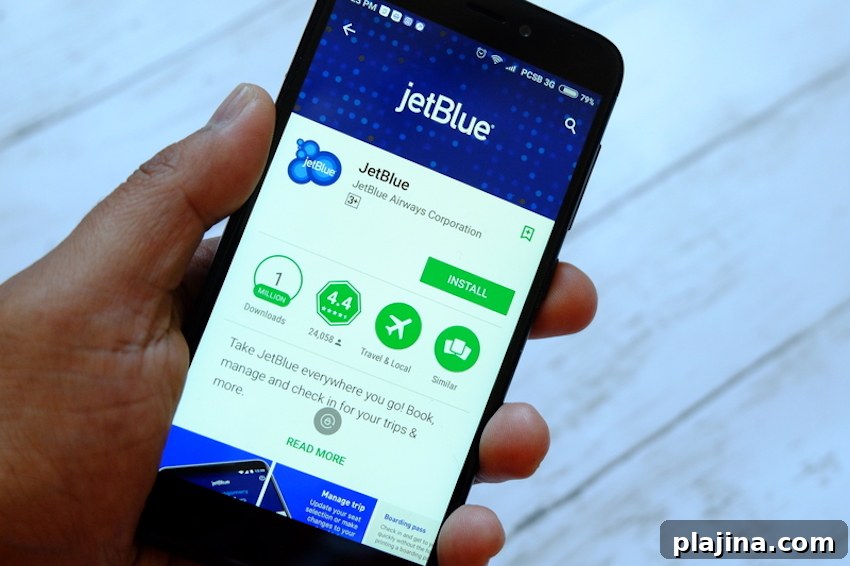
When it comes to app performance within each segment, certain brands stand out. JetBlue’s app earned the top spot among airline apps, achieving a score of 864 out of 1,000. Southwest and American Airlines closely follow with scores of 861 and 849, respectively. In the hotel arena, World of Hyatt leads the rankings with a score of 867, while IHG and Hilton Honors earn high marks with 855 and 853 points.
The J.D. Power results are grounded in user feedback: the study analyzed 12,000 evaluations submitted by app users between December 2018 and January 2019. These responses reflect real-world experiences and highlight specific areas where travel apps excel as well as where they can improve—particularly in delivering dependable performance on the day of travel.
For developers, travel brands, and travelers alike, the study underscores the importance of focusing on robustness and user experience. Consistent performance during critical moments—such as airport check-ins, boarding notifications, booking modifications, and handling last-minute changes—shapes perceptions of an app’s value. High-performing apps tend to combine intuitive interfaces, fast loading times, reliable notifications, and smooth integration with other travel services.
Passengers who prioritize a seamless travel experience should look for apps that emphasize reliability and user-centered features. Meanwhile, companies aiming to raise their app satisfaction scores should invest in stability, responsive customer support, and streamlined workflows that reduce friction during high-stress moments. Improvements in these areas can increase adoption and loyalty across all travel app categories.
Overall, the J.D. Power study highlights that travel apps are indispensable tools for modern travelers but that there remains room for improvement. As the industry continues to evolve, prioritizing dependable, user-focused design and functionality will be crucial for apps seeking higher satisfaction ratings and broader adoption.