
From sea to shining sea, the United States is home to a diverse tapestry of Native communities—from the Sioux on the Great Plains to the Navajo in the high desert and the Arapaho in the Rocky Mountains. These communities preserve their cultural history and living traditions through festivals, galleries, museums, performances and restaurants found across all 50 states. Below are meaningful ways to encounter and honor Indigenous peoples and their cultures as you travel across the country.
© LAWRENCE WESLOWSKI JR | DREAMSTIME.COM
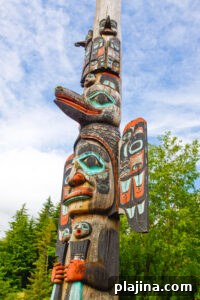
Alaska is a natural starting point, boasting the largest Native population percentage in the nation—roughly 18 percent of the state. In Ketchikan, the ancestral territories of the Tlingit, Haida and Tsimshian peoples, visitors can browse authentic Native art in local galleries and studios. Look for recognized authenticity markers when purchasing work, and consider taking a guided tour of Saxman Totem Park on Revillagigedo Island to learn about totem carving, clan histories and oral storytelling traditions. Local guides and cultural hosts emphasize the importance of Indigenous voices: if communities do not tell their own stories, those stories risk being lost.
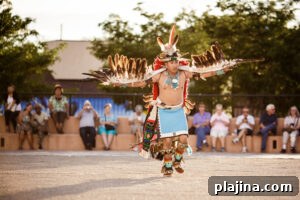
Further south in the Southwest, Scottsdale, Arizona, offers opportunities to engage with Native artists and culinary traditions. The Native Art Market brings together hundreds of traditional artisans, while Native-owned restaurants—showcasing regional flavors and contemporary interpretations of Indigenous cuisine—offer another way to experience living culture. Museums dedicated to Western and Indigenous histories highlight artifacts and contemporary art, and annual gatherings such as inter-tribal festivals celebrate dance, music, crafts and food while raising awareness of Indigenous communities and concerns.
PHOTOS: © ANDREY BAYDA | DREAMSTIME
New Mexico and neighboring states host long-established ceremonial events and cultural centers that preserve tribal arts, languages and histories. In Albuquerque, cultural centers and pueblo organizations present exhibitions and programs that trace Indigenous life from ancient times to the present. Regional ceremonies and gatherings—some dating back a century—provide powerful public displays of tradition, and are opportunities for visitors to learn respectfully when invited.
The northern Plains and the Black Hills region of South Dakota hold significant sites of Indigenous memory and contemporary cultural expression. Institutions such as memorials and Lakota cultural centers interpret historical figures and events while supporting Indigenous arts and education. Contemporary collaborations—like music projects that reinterpret Lakota and other Indigenous musical forms with modern symphonic arrangements—offer fresh ways to experience living traditions.
Across the country, First Nations and tribal nations support galleries, museums and cultural centers that present Native art, history and contemporary life. From small community-run galleries to national institutions devoted exclusively to Indigenous peoples, these venues offer experiences rooted in tribal perspectives. When visiting, prioritize engaging with tribal-owned enterprises, attending events hosted by Indigenous organizations, and purchasing art or goods that are verified as authentic and ethically sourced.
How to be a respectful visitor:
- Seek out Indigenous-run or community-approved programs, tours and cultural centers to ensure you hear stories from tribal voices.
- Ask permission before photographing people, ceremonies or sacred objects, and follow site-specific guidelines.
- Buy directly from verified Native artists and cooperatives; look for authenticity markers and provenance information.
- Attend public events with respect—observe, listen and follow directions from hosts; don’t disrupt ceremonial practices.
- Learn about local history and contemporary issues so your visit supports cultural preservation and economic sustainability.
Travel that centers Indigenous perspectives not only creates richer experiences for visitors but also supports the cultural resilience and economic well-being of Native communities. From Alaska’s coastal totem parks to Southwestern markets and Northern Plains cultural centers, thoughtful travel lets you encounter a living diversity of traditions and stories that continue to shape the American landscape.