
Ecotourism and Kenya are deeply connected. The East African nation hosts more than 50 game reserves and national parks, which have established it as one of the world’s premier safari destinations. Even Nairobi, the capital, contains a 45-square-mile national park where lions, rhinos, giraffes and other wildlife roam freely against a skyline of tall buildings. Kenya also stages the Great Migration, when roughly two million animals move across the plains each year, attracting large numbers of visitors during the seasonal migration.
True ecotourism extends beyond spectacular wildlife and sweeping landscapes. It demands long-term commitment to conservation, responsible travel, and support for local communities. Adjacent to the gate of Nairobi National Park sits the head office of Rhino Ark, a charitable trust that partners with public and private organizations to promote these goals. Rhino Ark works closely with tourism operators in Nairobi and across Kenya to build conservation programs that benefit both people and wildlife.
While international visitors often arrive eager to see elephants, giraffes and other iconic species, local communities can experience wildlife differently. Crop damage, threats to property, and occasional loss of life have historically strained relationships between rural people and the animals that share their environment. Without practical solutions, those tensions can grow and undermine conservation efforts.
Rhino Ark’s founding objective was to reduce conflict between people and wildlife through a large-scale fencing program, a project that took two decades to complete. In parallel, the organization has invested in community education to promote the value of wildlife and to protect natural habitats. Deforestation had reduced rainfall and, in some areas, nearly eliminated reliable water supplies. Rhino Ark helped reverse these trends by supporting community-led reforestation, water conservation projects, and local mentorships. These initiatives remain in place with each community, empowering local ambassadors and creating lasting benefits.
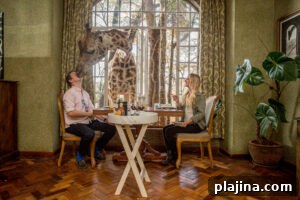
PHOTO:
© SCOTT RAMSAY / SAFARI COLLECTION
Among Rhino Ark’s supporters are Tanya and Mikey Carr-Hartley, owners of The Safari Collection, which also established the Footprint Foundation to reduce the collection’s environmental impact, protect Kenya’s wildlife and communities, and invest in projects that improve local ecosystems. Properties such as Giraffe Manor have become well-known for their unique guest experiences and for contributing directly to conservation efforts. By choosing to stay at lodges and hotels committed to sustainable practices, visitors provide vital financial support to ecotourism and conservation programs across Nairobi and Kenya as a whole.