
If you’re planning a trip to Japan, you’re not alone. Last month Japan welcomed 2.52 million visitors — more than double pre-pandemic levels — and Tokyo remains at the top of many travelers’ lists. My teenagers and I started planning a Thanksgiving week visit to Tokyo six months in advance after I redeemed miles for round-trip United Airlines tickets. Never having been to Japan, I crowdsourced advice from friends and learned a lot while we were there. Below are seven practical tips to help you prepare for a smoother, more enjoyable visit.
© Kelly Magyarics
Bring and Exchange Plenty of Yen
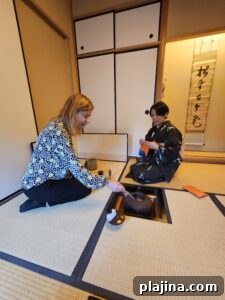
Although Japan is highly technologically advanced, cash remains essential in many situations. I booked hotels, train tickets and attractions like Tokyo Skytree and a traditional tea ceremony online with a credit card, but I still brought U.S. dollars to exchange upon arrival. Designer stores in Ginza and some shops in Harajuku accept cards, yet many restaurants and smaller retailers only take yen. Even topping up subway cards often requires cash at a machine. To avoid inconvenience, exchange enough cash for daily expenses and small purchases.
Rent a Portable WiFi Router for Reliable Internet
Even with an international data plan, speeds can be inconsistent. Renting a portable WiFi router from a local provider like Ninja WiFi gives faster, more reliable access across multiple devices. We chose a standard plan that cost under $40 per week and provided solid performance for navigation and reservations. Pickup and drop-off points are available at Haneda and Narita airports, as well as other city locations, making it convenient to collect and return the device.
© Kelly Magyarics
Master the Tokyo Subway System
Tokyo’s subway is clean, punctual and well organized. Platform markings show where doors will open, and riders queue single file, allowing exiting passengers to disembark first. Cars tend to be quiet, and stations use directional arrows to manage foot traffic. This orderliness was invaluable when navigating busy hubs like Shinjuku, which handles millions of passengers daily. Google Maps works for route planning, but the Japan Travel app adds useful details such as which car to board to be nearest your transfer, and which exit to use for easier access to your destination. Tourists can buy a Welcome Suica card at the airports, valid for 28 days, reloadable, and useful for vending machines and convenience store purchases.
Don’t Eat or Drink While Walking
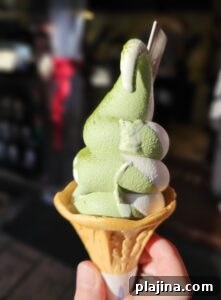
Eating or drinking while walking is considered impolite in Japan. Street food in areas like Harajuku is meant to be enjoyed in designated standing areas or seated spaces near vendors. Avoid walking while snacking; instead, step aside to savor your purchase. Chewing gum is uncommon; if you do chew, do so discreetly without loud popping or blowing bubbles to respect local norms.
© Kelly Magyarics
Use Toilet Slippers When Provided
Japanese restrooms often include advanced toilets with heated seats, bidet functions and sound-masking features. If toilet slippers are placed at the entrance, remove your street shoes before entering and wear the slippers while inside. Remember to switch back to your shoes when you leave — it’s easy to forget and awkward to walk out in restroom-only footwear. Observing this custom helps maintain cleanliness and demonstrates respect for local etiquette.
Take Advantage of Convenience Stores
Convenience stores like Family Mart and 7-Eleven are ubiquitous in Tokyo and far more varied than their international counterparts. They make excellent stops for quick breakfasts, snacks and essentials. Popular grab-and-go items include yogurt drinks, pastries, fruit and onigiri (rice balls wrapped in nori). You can also find medicines, toiletries and batteries, making convenience stores a practical resource during your stay.
Escape the City for a Day or Two
Even with a short stay, plan at least one trip outside Tokyo to experience another side of Japan. We took a two-hour bus to Kawaguchiko in the Fuji Five Lakes region and were rewarded with clear views of Mount Fuji, enjoyed a cable car ride, a sightseeing boat trip, and a sunset at Oishi Park. We also stayed overnight at a hotel with onsen (hot spring baths), which was a memorable cultural experience. Returning to Tokyo after a brief getaway enriched our appreciation for the city and the surrounding countryside.
With a little preparation — cash on hand, reliable internet, subway know-how and respect for local customs — a visit to Tokyo can be comfortable and immensely rewarding. Enjoy the food, the neighborhoods and the unique blend of tradition and modernity that Japan offers.